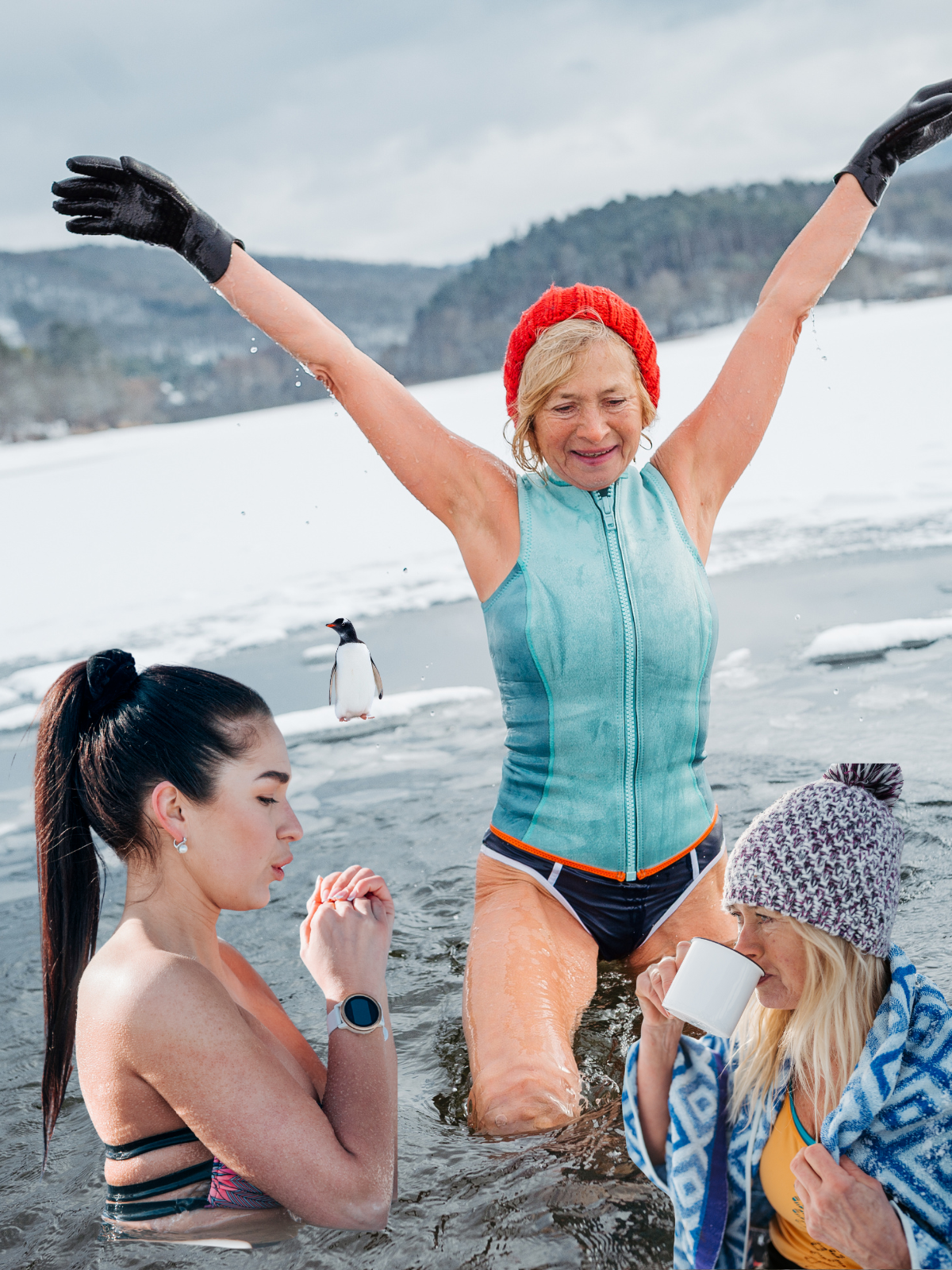
15 Things to Do During Winter That Actually Make You Feel Better
This post may contain affiliate links. If you choose to purchase through them, I may earn a small commission at no extra cost to you.

I came from a place where spring never really leaves. So winter took me by surprise.
Not the postcard version of winter — the real one. I learned that winter slows you down without asking permission. Getting out of the house feels heavier than it should. I stop moving, stop sweating, stop seeing the sun… and somehow end up spending too much time on the couch, vegetating like a cauliflower in front of the TV.
By the end of my first real winter, I noticed the damage:
Extra weight here and there.
Less strength.
Low energy.
Signs of sun deficiency.
A general feeling of heaviness.
My skin was like a marshmallow. Weird and pale.
Nothing dramatic. Just enough to feel off. So I decided winter wasn’t going to “just happen” to me again.
Instead of waiting for spring to fix everything, I came up with a non-negotiable winter list — simple things I do every year to protect my sanity, health, and sense of self. This isn’t a productivity plan. It’s a survival one.
Here’s what to do.
Winter Non-Negotiables
1. Supplements Come First
As soon as winter hits, it’s wise to increase support:
Zinc (paired with quercetin)
This alone makes a noticeable difference in energy, mood, and immunity. Winter shortens the days, and with that comes less sunlight—and less vitamin D.
Sunlight is the body’s primary trigger for producing vitamin D3—and when winter settles in, those levels naturally decline. That drop isn’t trivial. Low vitamin D has been linked to a surprising range of health issues, making winter deficiency more than just a seasonal footnote.
2. Morning Gym — Short and Gentle

Go early. Earlier than the excuses wake up. 4:30 a.m.—but only for 30 minutes. This isn’t about crushing it. It’s about showing up.
Think:
a gentle spin on the bike
light, unhurried strength work
no pushing, no punishing
Then you go home. Shower. Take your supplements, and carry on with your day. In winter, consistency wins, and intensity can take a nap.
3. Weekly Recipe Planning (Low-Carb, Low-Sugar)

Decide once. Eat well all week. Choose your meals in advance, when your head is clear and your appetite isn’t running the show. Write them down. Not in your phone. On an actual card. Slower hands, better choices.
Keep it:
zero sugar
low-carb, keto-friendly
For this ritual, we love a recipe holder that earns its place on the counter. The HOME PALETTE recipe box—with its white metal body, subtle honeycomb embossing, and wooden grooved lid—turns weekly planning into a small, grounding ceremony. Cards and dividers included, so winter staples, trusted comfort meals, and “I don’t want to think” recipes all have a home.
4. Journaling Mornings & Evenings

This one is essential. I don’t journal about my day. I journal about my year — as if it already happened.
I start with:
“December 31st, 2026. What a great and successful year it has been…”
Yes, even though it’s January. But my brain doesn’t care. I write everything I’ve “accomplished” this year. My mind has no choice but to start aligning reality with what it’s recording. It works better than motivation ever did. Try and thanks me later.
5. One Small Home Reset

Not the whole house. Never.
Just:
one drawer
one shelf
one closet section
If you haven’t used an item stored in your closet for over a year, it has to go. Stop keeping things “just in case.” Winter feels lighter when your space does.
This is where a modular closet organizer system helps. Not to redo everything—just to create clear sections that make decisions easier. Drawers for what stays. Hanging space for what you actually wear. Shelves that stop becoming dumping grounds.
When your closet has limits, decluttering feels less emotional and more practical. You’re not “losing” space—you’re giving it structure. And in winter, that kind of order makes everything feel lighter.
6. Reading Is Mandatory

One book a week until winter ends. Not as a self-improvement flex, but as a way to stay mentally awake. Reading keeps your imagination active, your thinking sharp, and creates just enough distance from the constant pull of social media conditioning.
It’s one of the simplest ways to stay grounded when days are long, dark, and repetitive.
If you need inspiration, I keep a running list of books that have helped me think more clearly, rest better, and stay curious during the quieter months. You can find them in the Midlife Accent Bookshelf—a curated space for reading that supports real life, not hustle culture.
7. Indoor Microgreens
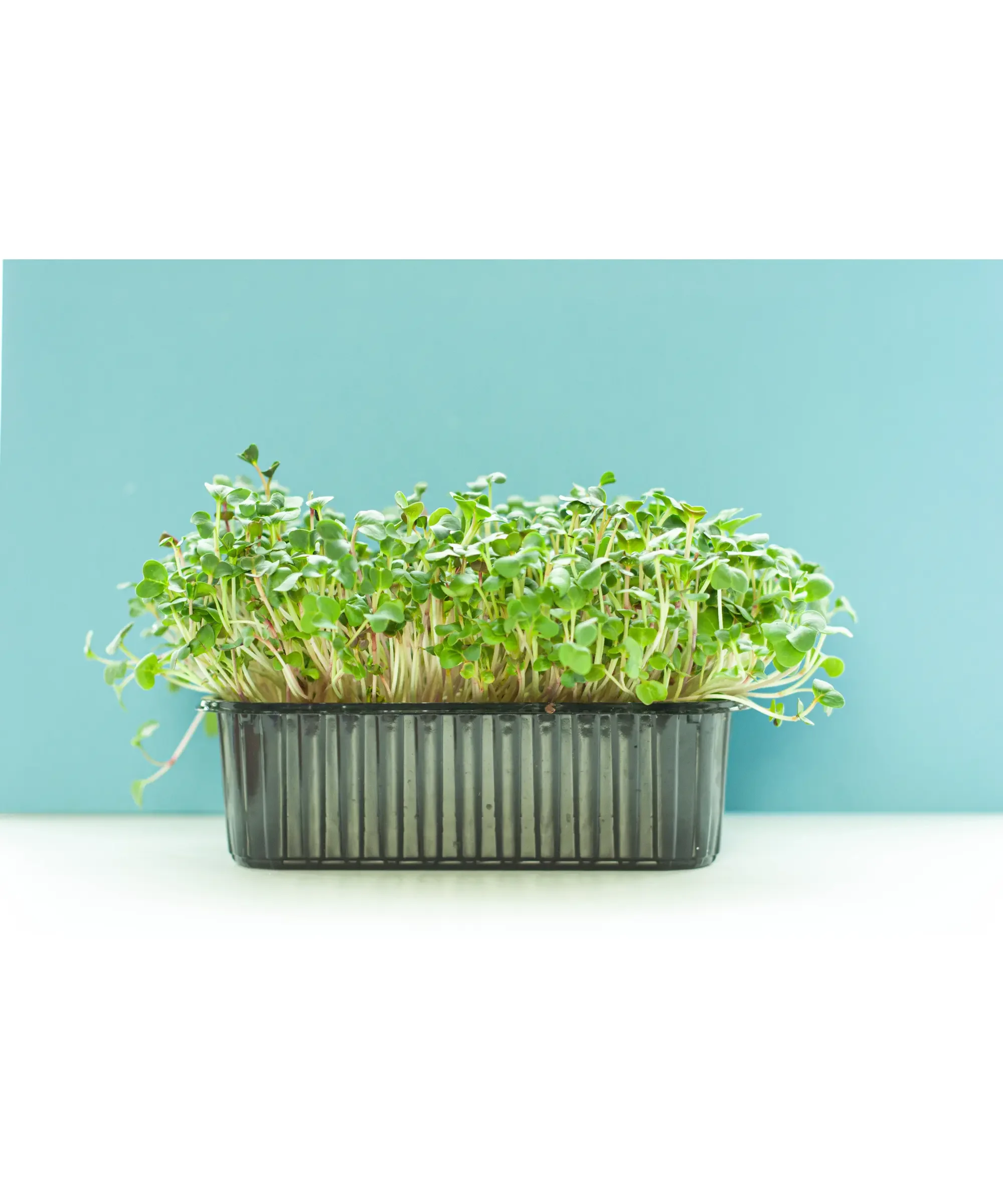
Growing microgreens indoors and adding them to smoothies can be a simple way to bring fresh nutrients back into winter routines. When access to fresh produce is limited or uninspiring, microgreens offer a concentrated source of vitamins, minerals, and antioxidants in a very small footprint.
It’s about giving the body something alive when everything outside feels dormant.
Fresh greens in winter feel almost rebellious. And that small act of rebellion can make a noticeable difference in how the body responds—lighter digestion, steadier energy, and a subtle reminder that growth doesn’t stop just because the season has slowed.
If you want an easy, beginner-friendly setup, this indoor seed starter kit with a full-spectrum grow light and heating mat makes growing microgreens indoors simple—even in the middle of winter.
8. Weekly At-Home Spa Day

Once a week is sacred. Call it “your name Spa Day:”
Warm bath with salts.
It’s not vanity. It’s maintenance.
9. Do Something for Someone Else

Winter can make life feel small. One way to widen it is through simple, intentional acts of kindness—offering your time, staying longer in a conversation, sending a thoughtful message, or giving a genuine compliment with no expectation attached.
When you practice doing one small kind thing each day, something shifts. The focus moves outward. Life feels lighter. And often, in quiet and unexpected ways, new doors begin to open.
If you want gentle guidance on how to show up for others—especially during difficult moments—Reach Out with Acts of Kindness offers practical, compassionate ways to help without feeling overwhelmed. Small kindnesses travel far in winter.
10. Infrared Sauna Day
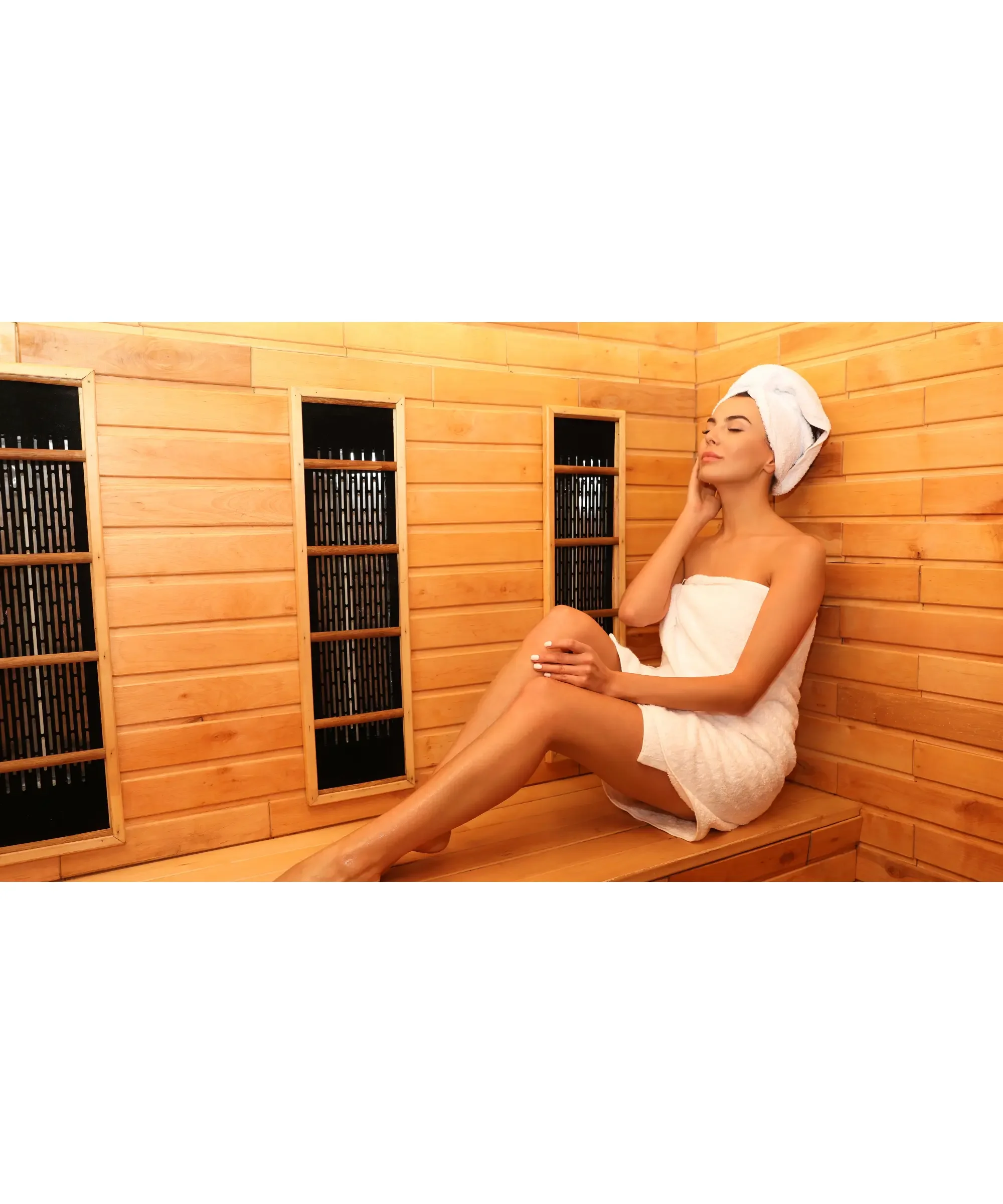
Infrared sauna days tend to reset more than just the body. Muscles loosen, circulation improves, and the nervous system finally gets the message that it’s safe to rest. By the time evening comes around, sleep arrives easily—no racing thoughts, no restless tossing.
The result is the kind of sleep that feels almost childlike. Deep, uninterrupted, and restorative. The kind where you wake up wondering when the last time you slept that well was.
In winter, when cold and darkness can linger in the body, that kind of warmth can feel like medicine—quiet, supportive, and deeply grounding.
11. Bake Something Low-Sugar

Winter baking Day
Low-carb bread. Low-sugar treats. Healthy versions that still taste good. Comfort without regret.
Having the right tools makes winter baking feel calm instead of messy. A good set of mixing bowls with airtight lids lets you prep, mix, and store everything in one place—no extra containers, no chaos on the counter. You mix, cover, and move on.
Also, parchment paper matters more than people think. Precut, unbleached parchment sheets keep baking simple: nothing sticks, cleanup takes seconds, and you don’t need extra oils or sprays. Bread, cookies, muffins—it all slides right off.
Winter baking doesn’t have to be complicated or indulgent to be comforting. With a few smart tools, it becomes easy, lighter, and something you actually look forward to.
12. Winter Art Day

Winter isn’t asking you to optimize yourself. It’s asking you to touch something. Art gives your nervous system a different kind of movement—one that doesn’t spike cortisol or demand results. You’re not trying to be good. You’re trying to be present. Paint. Shape. Melt. Pour. Let your hands do the thinking for a while.
If painting has ever crossed your mind—even briefly—having everything in one place removes the biggest barrier: decision fatigue. A full acrylic painting set with a French easel makes it feel official in the best way. Canvas, brushes, paint, structure. You open the box and begin. No scavenger hunt. No “I’ll do it later.”
For days when you need something even more tactile, air-dry modeling clay relax your hands—pressing, shaping, and grounding you back into the moment. It’s grounding in a way screens can’t compete with. No kiln. No pressure. Just form, texture, and the quiet satisfaction of making something exist.
And then there’s candle making—the slowest magic of all. Melt the soy wax, add fragrance, choose a color, and pour carefully into jars. A soy candle-making kit turns an afternoon into a ritual. When the candle is done, you haven’t just made décor—you’ve created a future moment of calm. Light it later. Remember this day.
Art during winter isn’t about talent. It’s about the circulation of creativity, warmth, and attention. You don’t come out with a masterpiece. You come out softer. Calmer. More yourself.
12+1. Ferment Everything Day
Yes, it jumps from 12 to 12+1. I don’t like that number. Consider this your bonus brain workout—do the math and call it mental cardio.
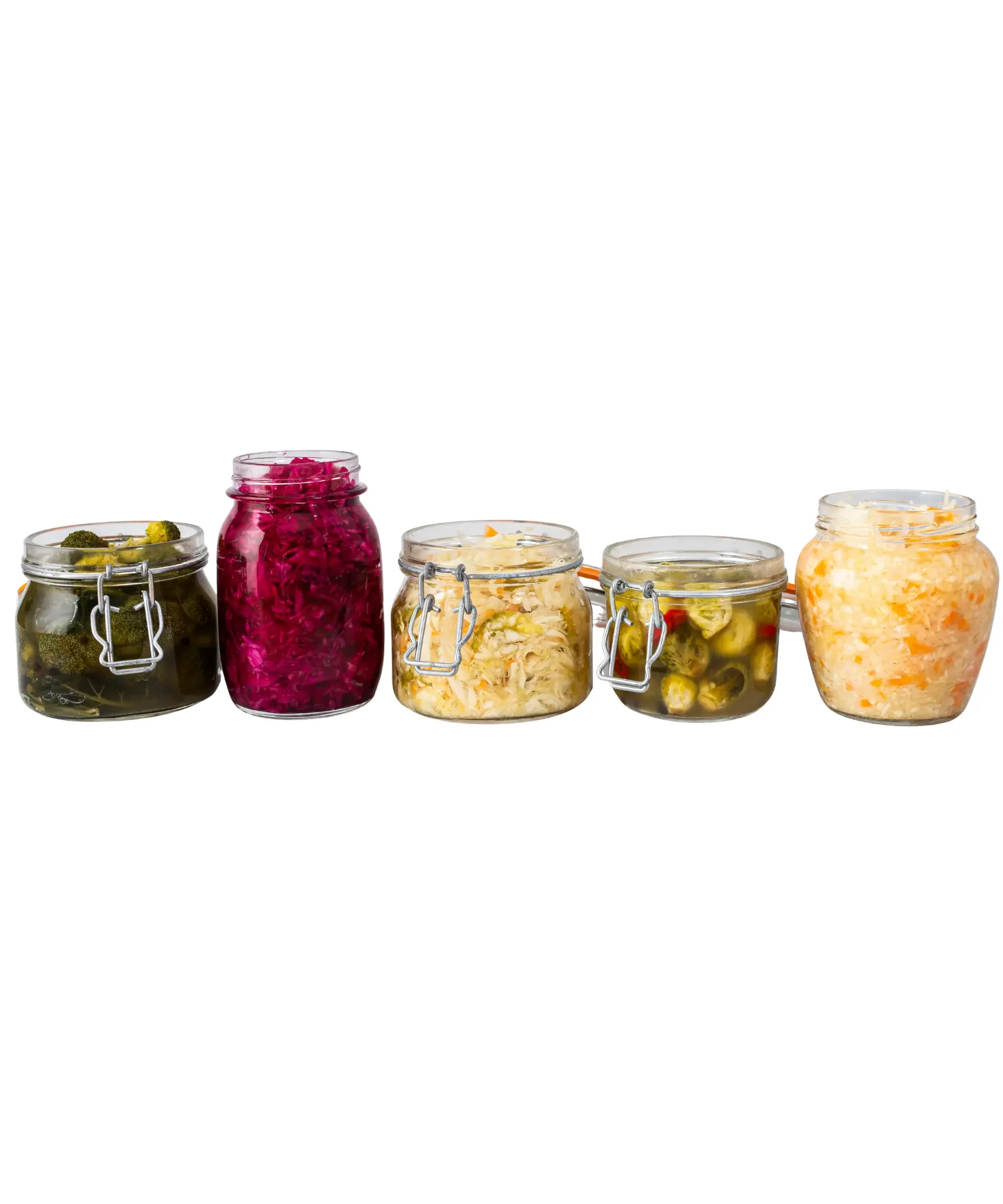
Winter has a way of shrinking our world. Fermenting quietly pushes it back open. There’s something deeply grounding about jars lined up on a counter—vegetables transforming, bubbles forming, and time doing the work.
Fermenting isn’t about prepping for the apocalypse. It’s about nourishing your gut, mood, and sense of agency when everything feels stalled. Cabbage becomes sauerkraut. Carrots soften into something alive. Sugar turns into delicious kombucha.
This slow process helps lower inflammation, supports blood sugar balance, and provides your nervous system with a sense of continuity. Something is moving forward—even in winter. If you’re new to it, structure helps. A good guide turns “I should try this” into “oh… I can actually do this.”
Two books do this beautifully:
The Farmhouse Culture Guide to Fermenting
A warm, approachable introduction to live-cultured foods—from kimchi to kombucha—without intimidation. It feels less like a manual and more like being taught by someone who genuinely wants you to succeed.The Prepper’s Canning & Preserving Bible
Despite the dramatic title, this is a surprisingly practical, all-in-one reference. Canning, fermenting, dehydrating—it’s the kind of book you keep nearby, not out of fear, but because knowing how to preserve food feels quietly empowering.
And for the hands-on part, having the right container matters more than perfection:
YARWELL 1-Gallon Fermentation Jars with Airlocks (2-Pack)
These take the guesswork out of fermenting. The airlocks do the hard part for you, releasing pressure while keeping everything clean and calm. Ideal for sauerkraut, kimchi, pickles, or your first brave batch of kombucha.
Fermenting gives winter a rhythm. A reason to check the counter. A small daily reminder that even in stillness, life is doing something useful.
14. Salsa Class Day

One hour. Every Wednesday. If you can dance with strangers, do it. Shared rhythm is a kind of therapy—part learning, part medicine—and it keeps winter from swallowing you whole. Without salsa, I’m honestly not sure how I’d survive a North Dakota winter.
And if a real class isn’t an option? That’s still a yes. Put YouTube on your smart TV. Search for salsa. Or swing. Or cha-cha-cha. Or that dance you’ve always wanted to learn but never tried. Then dance with yourself. For a full hour.
You’ll learn something new without realizing it. Your body will soften. Your imagination will roam. Your smile will widen. And your heart—your soul—will lift somewhere well above the clouds. You’re welcome!
15. Window Shopping Day

No bags. No pressure. Just walking. Window shopping isn’t about buying—it’s about moving, noticing, and letting your thoughts stretch their legs. You walk. You wander. You observe lives you’re not living and ideas you might borrow later.
This is where a good pair of walking shoes matters. Not performance-loud. Just comfortable enough to disappear. The Women’s Sneakers do exactly that—supportive, lightweight, stylish enough to blend in anywhere. They carry you from block to block without reminding you they’re there. The goal is to circulate blood, foster curiosity, and broaden perspective. Walk until your mind loosens. Then turn back home, lighter than you left.
The Takeaway
Winter doesn’t need to be endured. It needs to be designed. You don’t fix winter by waiting for spring. You fix it by choosing how you live inside it. These are the things I don’t negotiate anymore — and every year, winter gets easier because of them.
If you’ve ever felt heavy, slow, or quietly drained by the season, maybe one or two of these will help you too. Spring always comes. But sanity doesn’t wait.
Join the letter.
Thoughtful ideas, honest discoveries, and things worth knowing—sent when they matter, not when the algorithm feels needy. No noise. No spam. Just something good waiting in your inbox.
Affiliate Disclaimer: Some links in this post may be affiliate links. This means that if you choose to make a purchase through them, I may earn a small commission—at no extra cost to you. I only recommend products I genuinely use, love, or would happily invite into my own home. Your support helps keep this space thoughtful, honest, and growing. Thank you for being here.
Disclaimer: I am not a doctor, medical professional, or licensed healthcare provider. The information shared on this site is based on personal experience, research, and education and is intended for informational purposes only. It is not a substitute for professional medical advice, diagnosis, or treatment. Always consult your physician or a qualified healthcare provider before making changes to your diet, supplements, exercise routine, or lifestyle—especially if you have a medical condition or are taking medication.
More Journal