
Ice Bath Therapy for Women: Benefits, Recovery, and What to Know Before You Try
This post may contain affiliate links. If you choose to purchase through them, I may earn a small commission at no extra cost to you.
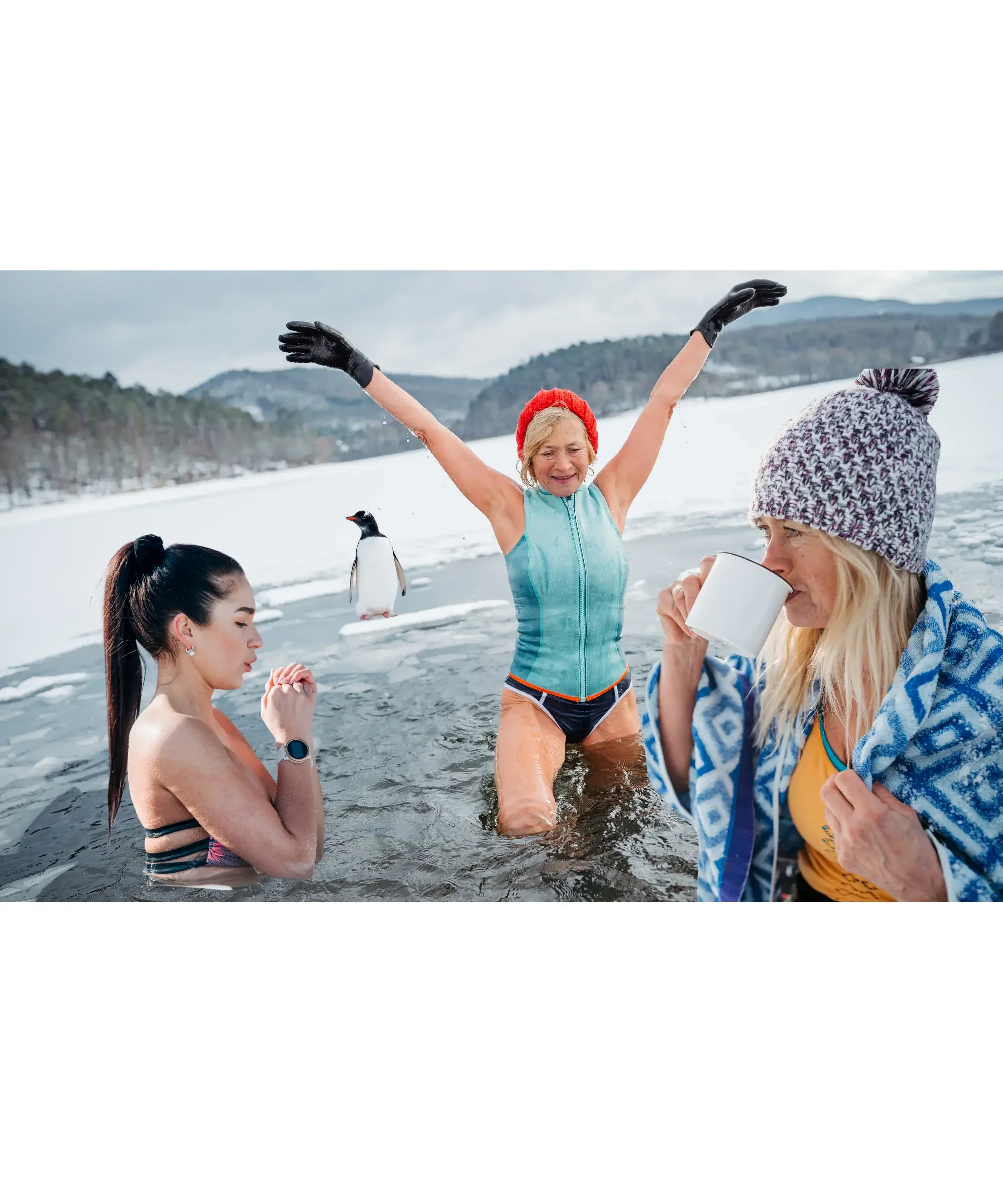
Most women love hot baths for recovery.
Ice baths?
That sounds like torture.
Yet if you’ve been paying attention to the latest recovery trends, you’ve probably noticed something strange:
Cold water therapy keeps showing up everywhere — athletes, biohackers, and now even everyday women.
So the question becomes hard to ignore:
Could freezing water actually make you feel better?
A few years ago, I stumbled across a YouTube video about Wim Hof—you know, the Iceman.
This guy is an absolute force, standing and walking in freezing temperatures, wearing next to nothing.
He started young, and when he hit adulthood, scientists got curious and studied him. The results? Pretty incredible.
Is he a mutant? Who knows.
But one thing’s clear: cold water immersion has measurable benefits backed by growing research.
That video lit a spark. I tried his breathing technique first—super simple, free to learn online anywhere—and paired it with an ice bath.
The combo shocked me. Honestly, without that breathing prep (deep inhales, full exhales, repeat 30-40 times, then hold), I never would’ve dipped a toe in.
Look, I’m a health-conscious woman always hunting the next smart practice. Open-minded? Yes. But cold water? That was never my vibe.
Give me a steaming hot bath with Epsom salts any day—total bliss. Ice bath for women? Hard pass. Still, if it could make me healthier, I was game.
Ice Bath Therapy Benefits for Women
1 Nervous System Reset
More women are exploring cold therapy not just for fitness recovery, but for nervous system reset, stress resilience, and mental clarity.
In a world where we’re constantly overstimulated, practices that force the body into a controlled stress response—and then help it recover—are becoming incredibly valuable.
2 Mood & Mental Clarity
For many women, recovery isn’t just about sore muscles. It’s about sleeping deeply enough to actually wake up rested. It’s about feeling emotionally steady instead of reactive, having energy that doesn’t crash by mid-afternoon, and being mentally present instead of foggy or overwhelmed.
3 Inflammation & Recovery Support
Researchers are looking closely at how cold exposure may support inflammation levels, improve circulation, and influence brain chemicals tied to mood, focus, and that clear, alert feeling we’re all chasing.
What Is Ice Bath Therapy?
Ice bath therapy, also called cold water immersion, involves sitting in cold water (typically 50–59°F) for a short period of time to trigger physiological recovery responses. It is commonly used for muscle recovery, inflammation control, mental resilience, and nervous system regulation.
Day 1, 6 AM.
Tub filled with raw, unmistakable cold water. I did the breathing—30 power breaths, exhale, and hold, five rounds, just to be sure. By the end, my head buzzed with oxygen, colors danced behind my eyes, and sounds sharpened. Felt like deep meditation, actually kind of amazing.
Then I walked over, touched the water with my foot, and—holy hell—I screamed. Penguin-butt cold. My brain revolted instantly: Why are you doing this? You don’t need it!
But willpower kicked in like a steel gate. I wet my legs, arms, and chest first to brace my skin. Then, on pure impulse, I slid in and started breathing again.
It was wild, intense, but fantastic. A rush hit me immediately—electric, alive. I aimed for one minute, no head submersion, body only. Made it 30 seconds. Victory.
When I was stepping out, I felt pure euphoria flooding my brain. Like when you are summiting Everest solo or winning a championship. Pride. Joy. Zero doubt.
By week’s end?
Five minutes, no hesitation. Full submersion—nose out only, which oddly kept me warmer inside the chill. Post-bath, I felt renewed, happy, mentally stronger. No overthinking, no regrets. Just this positive, unstoppable human staring back in the mirror.
For the first time in my life, I pleasantly felt every corner of my skin come alive—the blood rushing through every inch like a full-body wake-up call. It was pure rejuvenation and electric excitement, all at once.
What Happens to Your Body During an Ice Bath?
When you enter cold water, blood vessels constrict (vasoconstriction). After you warm up, they dilate (vasodilation), increasing circulation. This contrast may support muscle recovery and reduce temporary inflammation.
Cold exposure also increases norepinephrine and dopamine levels — chemicals associated with alertness, focus, and improved mood.
Breathing matters because it helps regulate the shock response. Without controlled breathing, cold water can feel overwhelming very fast.
If you don’t have a bathtub at home, or you’re not ready to commit to a permanent cold plunge setup, portable tubs like this have become a surprisingly good alternative. They’re designed for full-body immersion, insulated to help maintain cold temperatures, and easy to set up or store when not in use — which makes them a realistic option for apartments, smaller homes, or anyone curious about trying cold therapy without a big investment.
This post contains affiliate links. If you choose to purchase through them, I may earn a small commission at no extra cost to you.
Is Ice Bath Therapy Safe?
Ice bath therapy is generally safe for healthy individuals when introduced gradually. However, people with cardiovascular conditions, uncontrolled high blood pressure, or other medical concerns should consult a healthcare professional before beginning cold exposure.
Who Should Try Ice Bath Therapy (And Who Should Go Slow)
Ice baths are powerful—but they are intense. Starting slow matters.
If you’re curious, you don’t have to jump straight into full cold immersion. Cold showers, shorter exposures, or contrast showers can help your body adapt.
People with certain medical conditions should always check with a healthcare professional first. Because cold exposure is a stressor, careful introduction is essential.
Do I recommend ice baths? Absolutely. For everyone? Not sure—it’s intense. But I went from “never” to a “non-negotiable.”
If a warm-water lover like me can conquer it, there’s something here worth trying.
Ice baths aren’t about proving you’re tough. They’re about learning how your body responds to stress — and how quickly it can recover when you support it the right way.
FAQ: Ice Bath Therapy for Women
How long should women stay in an ice bath?
Beginners often start with 30 seconds to 2 minutes and gradually increase exposure as tolerance improves.
What temperature should an ice bath be?
Most cold immersion protocols range between 50–59°F (10–15°C).
Can ice baths help with anxiety?
Some research suggests cold exposure may influence stress hormones and improve resilience, but individual responses vary.
How often should you do ice baths?
Many people start with 2–3 times per week, depending on recovery and tolerance.
👉Explore more in Wellness
Related:
Why Magnesium Threonate Made a Difference in My Brain & Sleep
If you’re curious about grounded wellness experiments, real-life results, and practices that actually move the needle, join my newsletter.
No trends. No hype. Just smart, tested guidance for women building stronger bodies and calmer minds.
Disclaimer: Some links in this piece are affiliate links. If you choose to purchase through them, I may receive a small commission—never at an added cost to you. I only recommend what I’ve personally tried, researched deeply, or would confidently suggest to a woman I respect. Supporting this work helps keep Midlife Accent thoughtful, independent, and ad-free. Thank you for being part of this space.
Important to know: This post shares personal experience and general information, not medical advice. What worked for us may not be right for you. Health decisions are deeply individual—please speak with your doctor or healthcare provider before starting or changing any treatment, supplement, or wellness approach.
