
How to Choose High-Quality Supplements (What to Look For Before You Buy)
This post may contain affiliate links. If you choose to purchase through them, I may earn a small commission at no extra cost to you.

Many people focus on what supplement to take, but not on how to choose one that is actually effective.
Not all supplements are equal. When you’re trying to support blood sugar or overall health, quality matters more than marketing.
An impressive label, a costly bottle, or deceptive reviews don’t ensure a supplement functions as expected.
In this guide, you’ll learn how to choose high-quality supplements, what to look for on a label, and how to avoid products that look good but deliver very little.
This is a practical approach based on real-life experience and research—not medical advice.
Why Supplement Quality Matters
Not all supplements work the same—even if the label looks similar.
The form of the ingredient, the dosage, and how it’s made all affect whether your body can actually use it.
Even if a supplement appears high-quality, it might offer little benefit if the dose is inadequate or the form is difficult for the body to absorb. That’s where most people go wrong.
It’s not about taking more supplements—it’s about taking ones your body can actually use. Because if the quality isn’t there, you’re not supporting your health—you’re just collecting bottles.
Who This Is For / Who This Isn’t”
This Guide Is For You If:
You want support, not miracle claims.
You read labels but aren’t sure what matters.
You’re managing blood sugar, brain fog, or energy dips.
This Isn’t For You If:
You’re looking for overnight cures.
You don’t want to change anything else in your routine.
How to Choose High-Quality Supplements
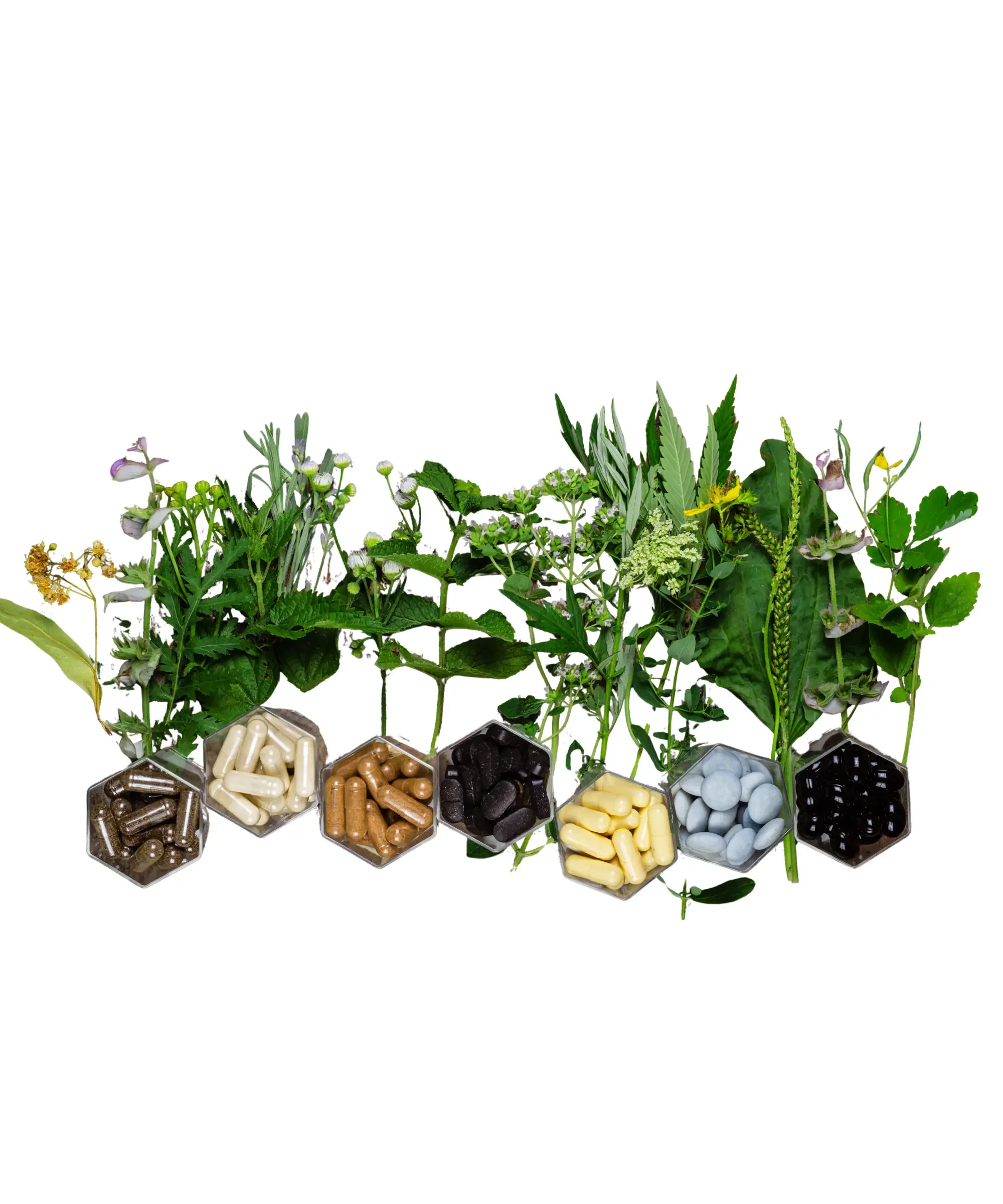
What we learned is that quality isn’t about the brand name or the price. It comes down to what’s inside the bottle—and whether your body can actually use it.
Here’s what to look for:
1 Check the Form of the Ingredient
Not all forms are equal. Some are easier for the body to absorb, while others pass through with very little benefit. If the form isn’t right, the supplement may not do much—no matter how popular it is.
2 Look at the Dosage
A label can list a great ingredient—but in such a small amount that it won’t make a difference. Look for amounts that match what’s commonly used in research, not just what looks good on the front of the bottle.
3 Check for Third-Party Testing
This helps confirm that what’s on the label is actually in the product. It’s one of the simplest ways to filter out low-quality options.
4 Keep Ingredients Simple
More isn’t always better. A shorter, cleaner ingredient list is often easier for the body to handle and easier for you to understand.
5 Pay Attention to Packaging
It’s a small detail, but it matters. Dark or glass bottles help protect ingredients from light and heat, which can affect potency over time.
What to Look for on a Supplement Label
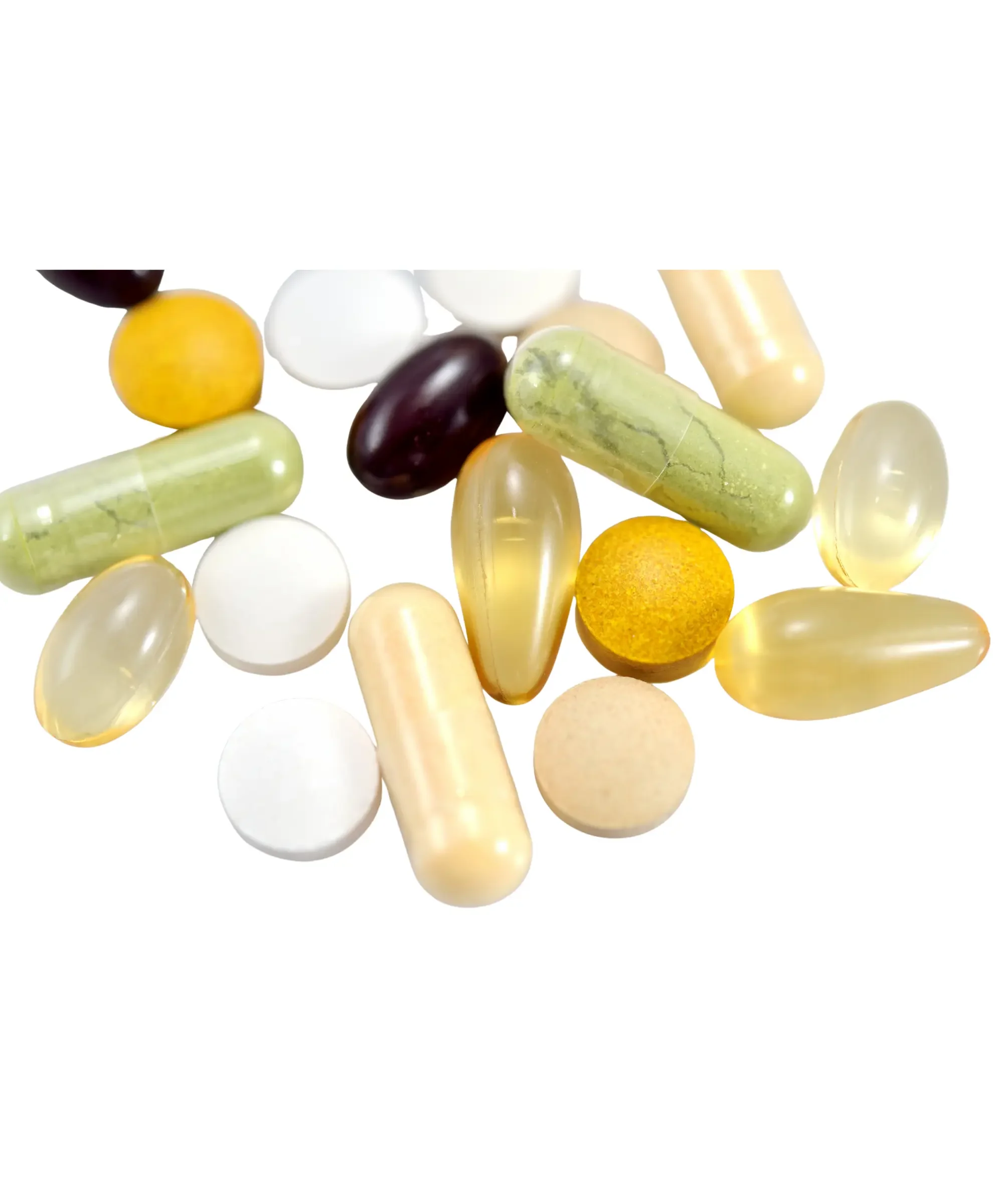
The label tells you everything—if you know what to look for. At first, it’s easy to get distracted by the front of the bottle. Claims, colors, big promises. But the real information is always on the back.
Here’s what actually matters:
1 The Active Ingredient (and Its Form)
Don’t just look at the name—look at the form. For example, magnesium comes in different types, and some are absorbed better than others. The same goes for many other supplements. The form can make the difference between something that works… and something that doesn’t.
2 The Dosage
This is where a lot of products fall short. A label might include a great ingredient—but in such a small amount that it won’t do much. Look at how much you’re actually getting per serving, not just what’s listed.
3 The Serving Size
Sometimes the dosage looks good—until you realize you need to take multiple capsules to get it. Always check how many capsules equal one serving.
4 The “Other Ingredients” Section
This is easy to ignore—but it matters. Fillers, artificial colors, and unnecessary additives can show up here. The cleaner this section is, the better.
5 No Proprietary Blends
If the label hides exact amounts behind a “blend,” you don’t really know what you’re getting. Transparency matters. You should be able to see the dose of each ingredient clearly.
6 Third-Party Testing or Certifications
Look for signs that the product has been tested for quality and purity. It’s one of the simplest ways to filter out low-quality supplements.
Reading labels isn’t complicated—it just requires paying attention to the details that actually affect how the supplement works.
See 7 best supplements to support Type 2 diabetes.
Red Flags to Avoid When Buying Supplements

It’s easy to get pulled in by good marketing. Clean labels, bold claims, beautiful packaging—it all looks convincing. But once you start paying attention, you realize not everything that looks high quality actually is.
Here are the red flags we learned to watch for:
1 Vague or Overhyped Claims
If it sounds too good to be true, it usually is. Phrases like “miracle formula,” “instant results,” or “doctor-approved breakthrough” are often marketing—not substance.
2 Proprietary Blends
This is a big one. If the label lists a “blend” without telling you how much of each ingredient is inside, you don’t really know what you’re taking. Transparency matters.
3 Extremely Low Dosages
Some products include the right ingredients—but in amounts too small to make a difference. It looks good on the label, but it doesn’t deliver in practice.
Long Ingredient Lists
More ingredients doesn’t mean better results. Too many additives, fillers, or unnecessary extras can dilute the effectiveness and make it harder to know what’s actually helping.
No Third-Party Testing
If there’s no mention of quality testing, that’s a concern. You want to know the product contains what it claims—and nothing else
Packaging That Doesn’t Protect the Product
Light and heat can affect certain supplements. Clear plastic bottles or poor packaging can reduce potency over time.
Relying Only on Reviews
Reviews can be helpful—but they’re not always reliable. What works for one person may not work for another, and some reviews are influenced by marketing.
👉Explore more in Wellness
Are Expensive Supplements Better?
Not necessarily. Price can reflect quality—but it can also reflect branding, packaging, and marketing. We’ve seen both.
Some expensive supplements are well-formulated, properly dosed, and worth it. Others look premium but offer nothing different from more affordable options. The label matters more than the price tag.
What actually makes a difference:
The form of the ingredient.
The dosage.
The quality and testing.
Not how polished the bottle looks. The cheapest option isn’t always the best either. Low price often mean lower-quality ingredients, weak dosages, or shortcuts in manufacturing.
So it’s not about buying the most expensive—or the cheapest. It’s about knowing what you’re paying for.
In our case, we stopped chasing “the best brand” and started focusing on what made sense: simple formulas, clear labels, and ingredients the body can actually use. That’s where the real value is.
How This Applies to Blood Sugar Support
This is where everything connects. At first, it’s easy to think blood sugar is only about food—cut carbs, eat better, and that’s it. But it doesn’t work that way.
Blood sugar is influenced by multiple things at once:
what you eat.
How your body processes nutrients.
Stress levels.
Sleep quality.
That’s where supplements come in—not as a solution, but as support.
In our experience, supplements only made sense after we started paying attention to the basics. Once meals were more consistent, movement was part of the day, and stress was more under control, supplements felt like they had a place.
Not before.
👉 We’ve been working through this step by step here: How We’re Naturally Improving Type 2 Diabetes
One of the biggest surprises was how much stress affected blood sugar. Even on days when food was consistent, stress alone could shift the numbers. That’s when it became clear this wasn’t just about diet.
👉 This is something we explored further here: How to Lower Cortisol Naturally Without Extreme Routines
The takeaway is simple:
Supplements can support blood sugar—but they don’t replace the foundation.
Food, daily habits, and stress management still do most of the work, and supplements just help fill in the gaps.
FAQ: Choosing High-Quality Supplements
Q. How do I know if a supplement is high quality?
A. Start with the label. Look for clear ingredient forms, effective dosages, no proprietary blends, and third-party testing. If the label is vague or hides information, that’s usually a sign to skip it.
Q. Are expensive supplements always better?
A. No. Some higher-priced supplements are well-made, but others are just better marketed. Price alone doesn’t guarantee quality—the ingredients and formulation matter more.
Q. What does “third-party tested” mean?
A. It means the supplement has been tested by an independent organization to verify quality, purity, and accuracy of ingredients. It’s one of the easiest ways to filter out low-quality products.
Q. Why does the form of a supplement matter?
A. Different forms of the same nutrient are absorbed differently by the body. If the form isn’t well absorbed, the supplement may not do much—even if the ingredient itself is good.
Q. What are proprietary blends, and why should I avoid them?
A. Proprietary blends group ingredients together without showing exact amounts. That means you don’t really know how much of each ingredient you’re getting, which makes it harder to judge effectiveness.
Q. Can I rely on reviews when choosing supplements?
A. Reviews can help—but they shouldn’t be the only factor. What works for one person may not work for another, and some reviews are influenced by marketing.
Q. How many supplements should I take at once?
A. More isn’t better. Start with one or two based on your needs, then adjust based on how your body responds. Keeping it simple makes it easier to track what’s actually helping.
Q. Do supplements replace a healthy diet?
A. No. Supplements are meant to support your body—not replace real food, movement, or sleep. The foundation always comes first.
Q. How long does it take to notice results?
A. It depends. Some people notice small changes within days or weeks, while others need more time. Consistency matters more than speed.
Q. Where should I start if I feel overwhelmed?
A. Start simple. Focus on understanding labels first. Once you know what to look for, it becomes much easier to choose supplements that actually make sense.
Final Thoughts
Choosing the right supplement isn’t about buying more—it’s about choosing better. Once you understand what to look for, it becomes easier to avoid what doesn’t make sense and focus on what actually supports your body. Start simple. Pay attention. Adjust as you go.
If you want more practical, real-life guidance on supplements, blood sugar, and feeling better without overcomplicating it, join the newsletter.
Simple strategies. Clear direction
Important to know: This post shares personal experience and general information, not medical advice. What worked for us may not be right for you. Health decisions are deeply individual—please speak with your doctor or healthcare provider before starting or changing any treatment, supplement, or wellness approach.
Disclaimer: Some links in this piece are affiliate links. If you choose to purchase through them, I may receive a small commission—never at an added cost to you. I only recommend what I’ve personally tried, researched deeply, or would confidently suggest to a woman I respect. Supporting this work helps keep Midlife Accent thoughtful, independent, and ad-free. Thank you for being part of this space.
