
Kitchen Tools That Help Support Blood Sugar Stability
This post may contain affiliate links. If you choose to purchase through them, I may earn a small commission at no extra cost to you.
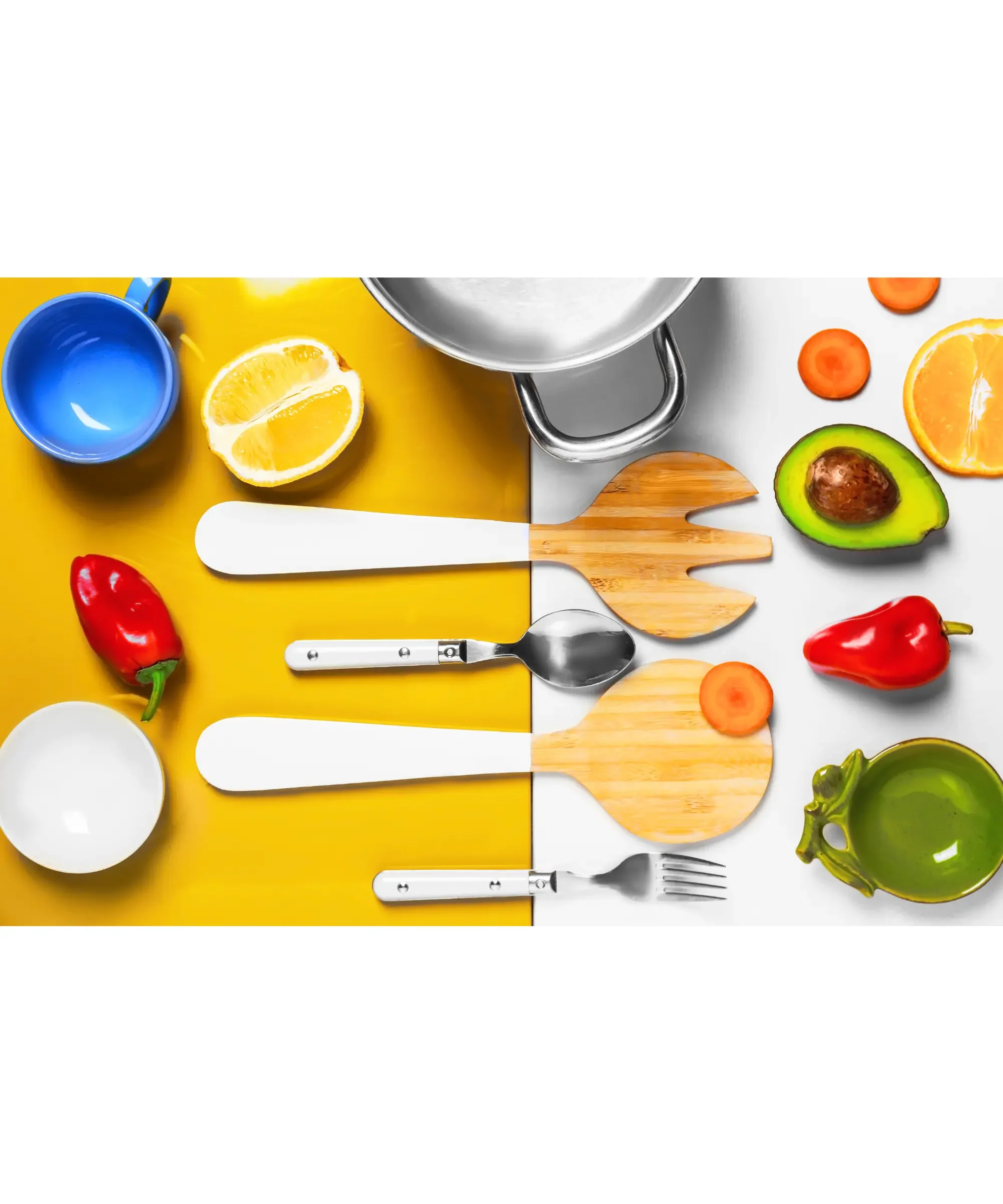
Eating for blood sugar stability sounds straightforward—until you’re the one doing it day after day. Seeing what a full day of low-carb eating looks like for Type 2 diabetes helped us understand how structure actually plays out in real life.
Planning meals, timing them, cooking at home, resisting constant snacking… It’s a lot. And when energy is low or motivation dips, even the best intentions can unravel quickly.
What helped us wasn’t chasing perfect meals or complicated routines. It was removing friction. Small, practical tools that made everyday choices easier to follow through on—especially when consistency mattered more than perfection.
These are the kitchen tools we’ve genuinely relied on while eating in a way that supports steadier blood sugar. Not miracle items. Just things that quietly made daily life smoother.
Some links may be affiliate links. If you make a purchase, we may earn a small commission at no extra cost to you. We only share products we trust or have researched carefully.
A reliable digital kitchen scale
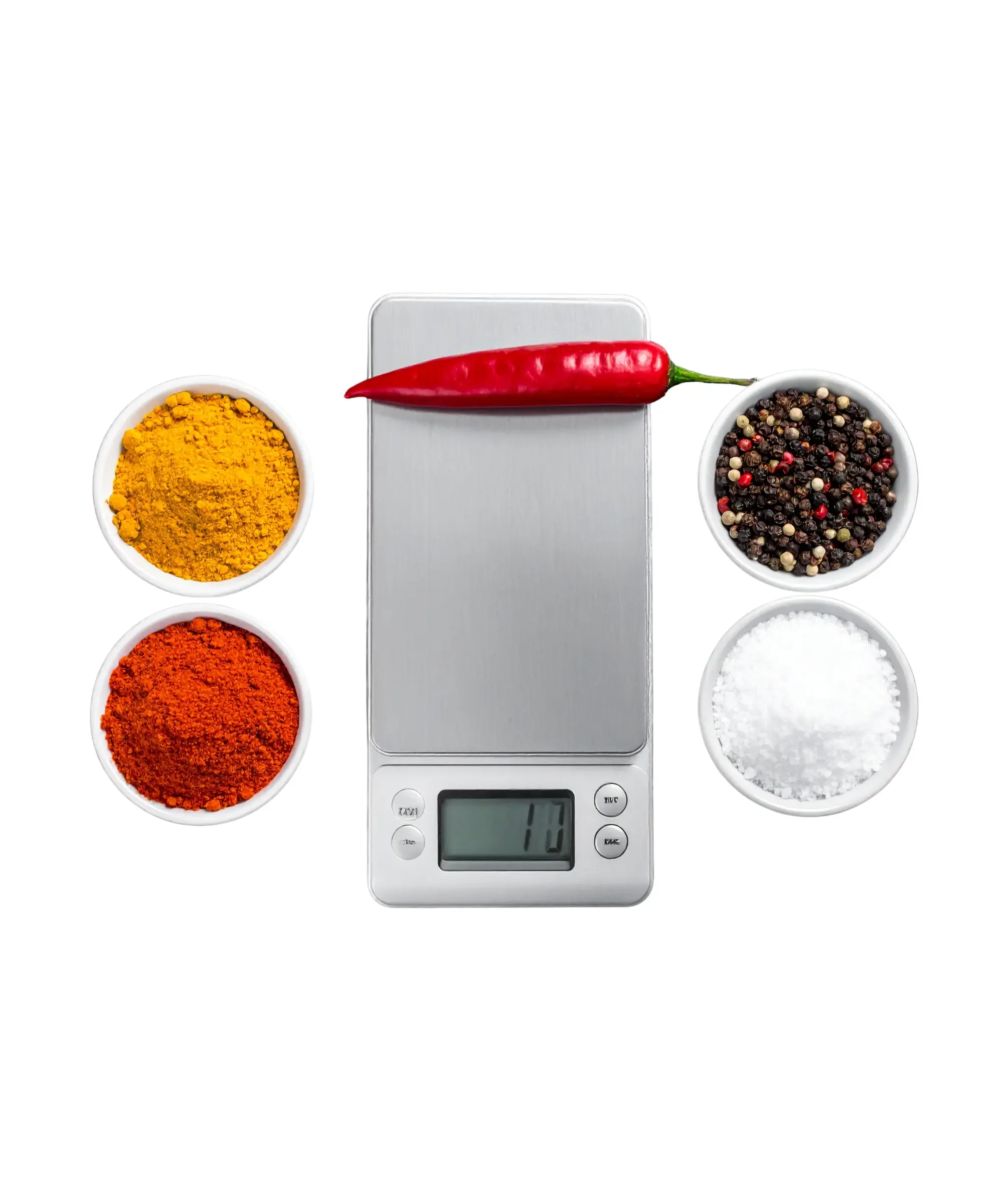
Portion awareness matters more than most people realize—not in a restrictive way, but in a grounding one. A simple digital kitchen scale helped us understand what “enough” actually looked like, especially for carbs and protein. Over time, it cut down the guesswork and made meals feel less stressful and more intentional.
A good non-stick pan you actually trust
Cooking at home becomes much easier when food doesn’t stick, burn, or demand extra oil just to survive the pan. A solid non-stick skillet made quick meals—eggs, vegetables, proteins—less frustrating and faster to clean up. When cleanup is easy, cooking feels more doable.
An air fryer for simple, repeatable meals

The air fryer earned its place by cutting down both cooking time and decision fatigue. Toss in vegetables or protein, set it, and walk away. No babysitting. No complicated steps. It made it easier to stick to meals that felt supportive without turning cooking into a project. Non-toxic, no PHAS, no PTFE.
Glass containers for meal prep and leftovers
This one seems obvious, but it made a real difference. Clear glass containers made leftovers visible and appealing, which reduced impulsive snacking and keep eating windows consistent. When food is easy to see and easy to reheat, it’s more likely to be used.
A quality knife (just one)

You don’t need a full set. One sharp, comfortable knife changed how quickly meals came together. Chopping vegetables stopped feeling like a chore, which matters when you’re cooking regularly and trying to stay consistent.
A simple electric kettle
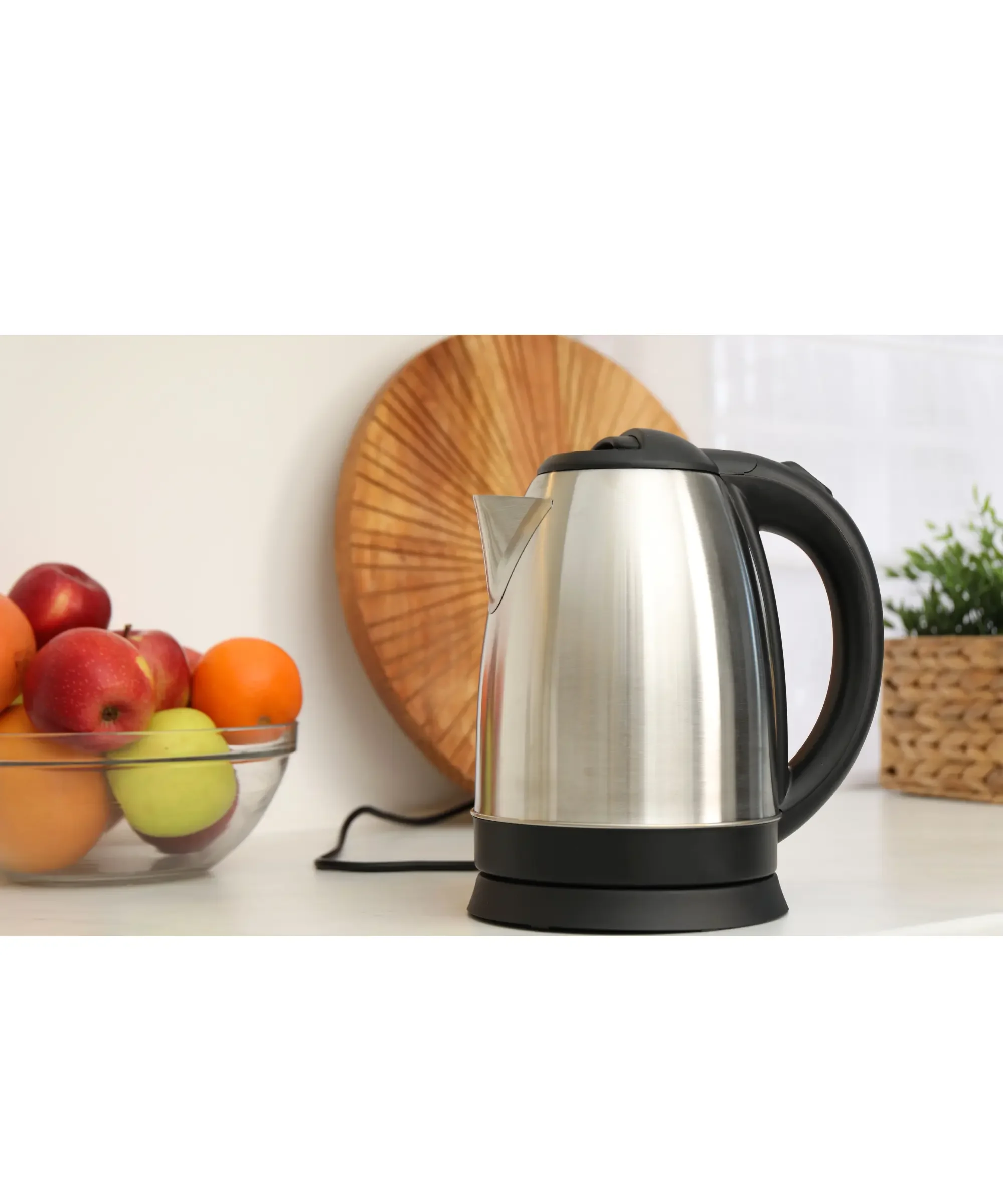
An electric kettle quietly supported better habits—herbal teas, warm water, and broth. Small things, but they helped reduce unnecessary snacking and created natural pauses between meals.
A simple portable pill case
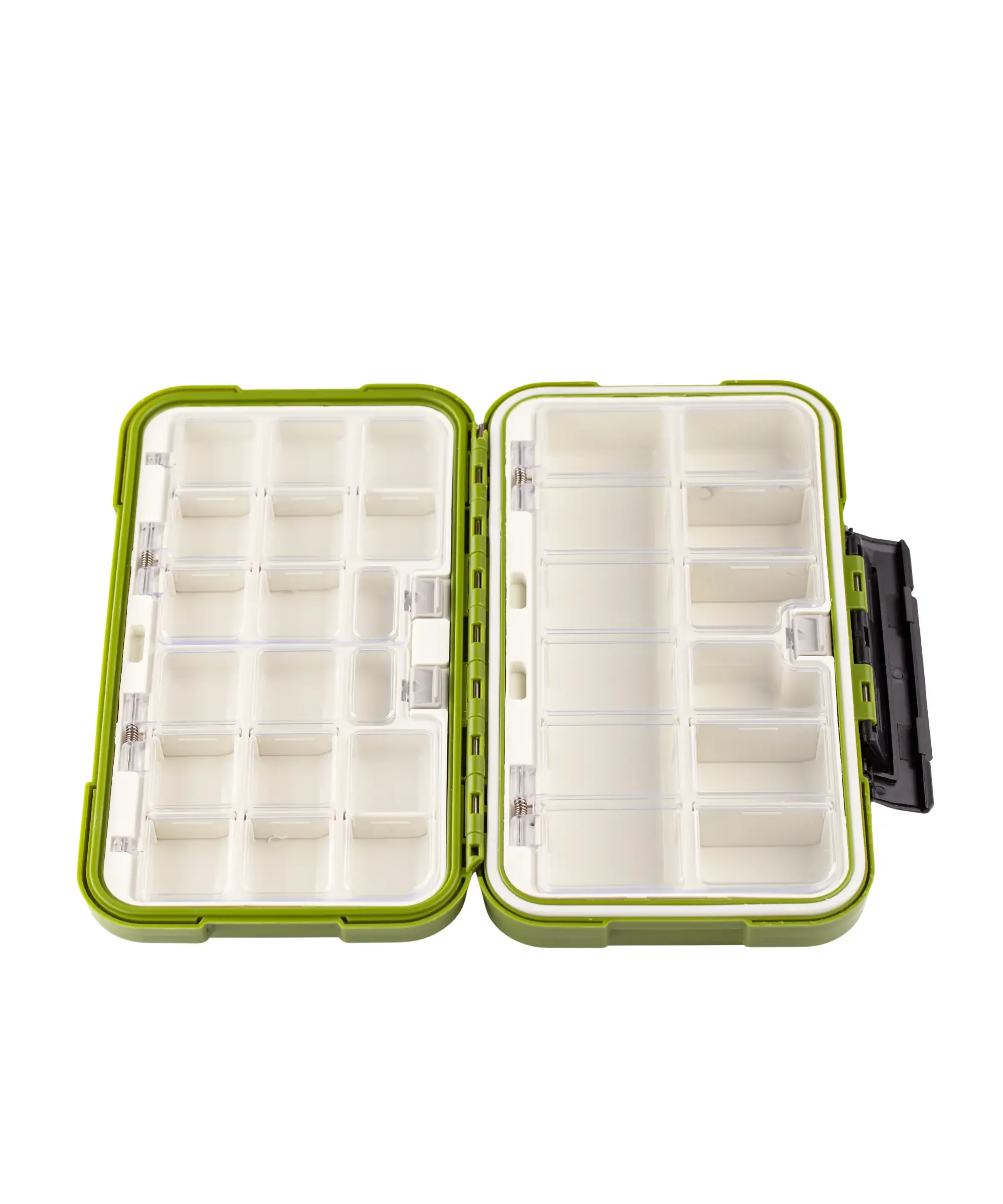
This one surprised us. A small, portable pill case made supplements easier to take consistently—especially when days didn’t go exactly as planned. Instead of skipping doses or guessing later, everything stayed organized and visible.
It removed one more layer of mental load. No scrambling. No forgetting. Just a quiet system that supported consistency without effort.
What really made the difference
None of these tools worked alone. They only helped because they supported a bigger structure—consistent meals, fewer spikes, and a way of eating that felt realistic over time.
If someone can’t or doesn’t want to eat this way, these tools won’t magically change outcomes. And that’s okay. For many people, prescription medication is what keeps blood sugar manageable, often with trade-offs that need to be discussed carefully with a healthcare provider.
What we learned is simple: tools don’t create change. They support it. We’ve shared more of the habits and adjustments that made the biggest difference in what is helping us to improve Type 2 diabetes.
In other words, these tools made it easier to follow through—but the choices, the consistency, and the awareness still came from us.
For ideas that respect real life (and your time),
subscribe to our newsletter. We share what’s helping us think more clearly, live better, and move forward with intention.
👉 Sign Up Below
This content reflects personal experience and general wellness education, not medical advice. Always consult a qualified healthcare professional before making changes to diet, supplements, or treatment—especially if managing a condition like diabetes.
Some links may be affiliate links. If you make a purchase, we may earn a small commission at no extra cost to you. We only share products we trust or have researched carefully.
