4 Supplements I take to Support Hormones, Energy & healthy Aging
This post may contain affiliate links. If you choose to purchase through them, I may earn a small commission at no extra cost to you.

Most women think perimenopause starts in their 40s.
For many of us, it doesn’t.
It starts much earlier — often in our early 30s.
And if you’ve ever looked at your body and thought, “Why do I suddenly feel different… even though nothing obvious is wrong?” you’re not imagining it.
Because perimenopause rarely begins with dramatic hot flashes.
It starts with small signals.
Sleep that feels lighter.
Energy dips that coffee can’t negotiate with anymore.
Mood shifts that don’t quite feel like you.
Weight changes that don’t match your habits.
Brain fog. Anxiety. A low hum of inflammation you can’t quite name.
At first, you don’t connect the dots.
You just notice strange little moments.
A harmless comment from the barista becomes a psychological case study you replay for a week.
Your boyfriend seems quiet for five minutes, so naturally your brain assumes something must be wrong.
Anxiety becomes the background music of your life.
Ice cream feels like therapy… until it quietly betrays you.
You gain weight. Your energy drops. The gym suddenly feels like a personal attack.
The strangest part is this:
You don’t feel sick.
You just don’t feel like yourself anymore.
So the real question becomes:
Why is this happening so early?
Because modern life accelerates perimenopause.
Chronic stress.
Ultra-processed food.
Sugar. Alcohol.
Poor sleep.
Endocrine disruptors.
Medications.
Years of pushing your nervous system into overdrive.
Your body isn’t broken.
It’s exhausted.
Perimenopause isn’t just hormonal.
It’s neurological.
It’s metabolic.
It’s your nervous system finally saying:
“We need a new operating system.”
Not later.
Now.
What Did I do?

At some point in my 30s, I realized I didn’t want to wait until my Perimenopause symptoms became loud.
I didn’t want to wait until my body started demanding attention through exhaustion, anxiety, or breakdowns.
So I chose a different approach. I started supporting my body earlier. Quietly. Intentionally. Strategically.
Not because something was “wrong.” But because I could feel a shift coming. And I wanted to be prepared.
The next are the four supplements I started taking — and still use — as part of my personal routine to support my energy, hormones, and overall health. Not as medical advice. As lived experience. This is what worked for me.
1. Peri & Post Menopause Support Stack
What I like about the Peri & Post Menopause Support Stack is that it covers the essentials without overcomplicating things.
It brings together Creatine, Collagen Peptides, Turmeric, Alpha GPC, and Vitamin D3 — which sounds technical, but the idea is simple: support the systems that tend to need the most help during this phase of life.
The Momentous Peri & Post Menopause Support Stack is designed specifically for the hormonal transition years — even if you’re not “there yet.”
It supports hormonal balance. Bone density. Brain health.
Metabolism. Energy. Mood stability.
But the real value isn’t in any single benefit. It’s in the philosophy behind it.
This isn’t about treating menopause. It’s about buffering biology before it starts declining.
Think of it as preventative infrastructure for your future self. Not a panic buy at 48. A strategic investment at 32.
2. Berberine
This one surprised me. I used to think of blood sugar as a “diabetes thing.” Something you worry about later. Something that only matters if there’s already a problem.
I was wrong.
Blood sugar is one of the main control panels of the entire system. Energy. Mood. Weight. Focus. Hormones. Inflammation. Aging.
Once that clicked, berberine stopped feeling optional.
I think of it as the metabolic protector. The quiet regulator working behind the scenes.
The Momentous Berberine helps regulate blood glucose. Improve insulin sensitivity. Support weight stability, and reduce inflammation.
But the real reason it matters is this: Insulin resistance is one of the biggest hidden drivers of hormonal imbalance, fatigue, brain fog, and early aging.
You don’t need to be diabetic to be affected by it. You just need to live in a modern body.
I consider Momentous Berberine essential for any woman who:
craves sugar
has PCOS tendencies
has a family history of diabetes
or has lived a high-carb, high-stress lifestyle (which is most of us)
It’s not a “fat loss supplement.” It’s a metabolic stability supplement, and metabolic stability is the foundation of everything else.
Check on my post about The 7 Best Supplements that Helped us Reverse Type 2 Diabetes Naturally.
3. Adaptogen Stack

What I like about the Momentous Adaptogen Stack is that it’s built around a simple idea: Your body doesn’t need more stimulation. It needs better stress adaptation.
This stack brings together three ingredients I kept seeing in serious research and real-world use:
Ashwagandha.
Rhodiola.
And L-Theanine.
Not as a “relaxing blend.” But as a way to train the nervous system to respond to pressure more intelligently.
Ashwagandha and Rhodiola help bring cortisol back into a healthier range — which matters more than most people realize.
When cortisol is constantly elevated, everything feels harder: energy, focus, motivation, recovery.
L-Theanine adds a different layer. It supports calm. More like mental smoothness. Less noise. Less edge. The calm where you can still think clearly and stay engaged.
Together, they create something I think of as a daily baseline. Not a mood booster. Not a quick fix.
It’s especially useful if you live in that modern state of: high output, high responsibility, low recovery. Which, at this point, is basically a lifestyle.
4. Omega-3 (High Quality, Not Drugstore)
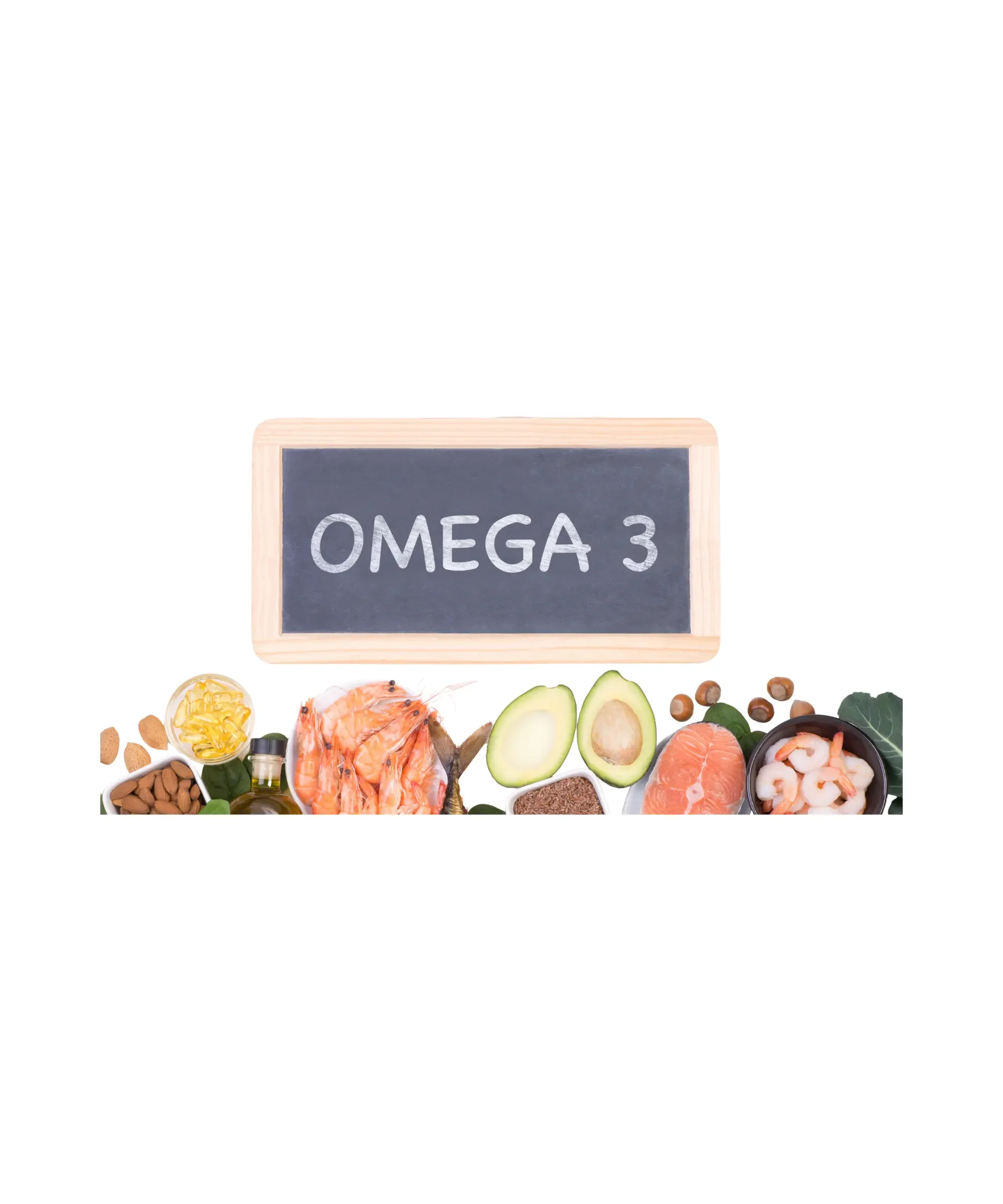
The anti-aging fat your hormones depend on.
Momentous Omega-3s supports hormone signaling, brain health, inflammation control, skin elasticity, and cardiovascular health.
Low omega-3 levels are associated with depression, hormonal imbalance, cognitive decline, and early aging.
This is not optional nutrition for women. It’s cellular fuel.
Why Momentous?
What I appreciate about Momentous is that they treat supplements like performance tools.
Not trendy powders. Not miracle cures. Not aesthetic branding experiments.
Actual tools.
Everything is third-party tested. Transparently dosed. Built around real science, not marketing language. Which, in this industry, is rarer to find.
There are very few brands I trust enough to use myself, and Momentous is one of them. Because their philosophy aligns with mine:
Support the system. Don’t hack it. Don’t manipulate it. Work with biology, not against it.
If you decide to try anything Momentous through my link, you’ll get:
35% off your first subscription.
10% off all future subscription orders,
and 14% off one-time purchases.
Which, honestly, makes it one of the best long-term supplement setups I’ve seen.
This is not for impulse buys. It’s for those who treat their health as a long-term strategy, not a short-term fix.
Follow the link and get Momentous Supplements using my personal code MariaTruitt
👉Explore more in Wellness
The Truth Most Women Never Hear
Perimenopause doesn’t arrive like a storm. It seeps in like fog. So quietly that, at first, you don’t even realize anything has changed.
By the time the symptoms are obvious, the shift has been happening in the background for years.
That’s what most of us miss. We wait for something dramatic. Something undeniable. Something that forces our attention. But the real changes are subtle, and cumulative.
I started supporting my body in my late 30s. Not because I was in crisis. But because I could feel a pattern forming.
I am in my 40s now, I don’t feel like I’m “managing symptoms.” I feel like I’m protecting momentum.
That’s the difference timing makes. The earlier you support your hormones, your brain, your nervous system, the less dramatic the transition becomes.
Not because you fought aging. But because you prepared for it intelligently. Quietly. Strategically. Before your body had to ask loudly.
Join the Midlife Accent newsletter for exclusive essays, wellness discoveries, and behind-the-scenes insights I only share with subscribers. No noise. Just the good stuff.
Important to know: This post shares personal experience and general information, not medical advice. What worked for us may not be right for you. Health decisions are deeply individual—please speak with your doctor or healthcare provider before starting or changing any treatment, supplement, or wellness approach.
Some links in this piece are affiliate links. If you choose to purchase through them, I may receive a small commission—never at an added cost to you. I only recommend what I’ve personally tried, researched deeply, or would confidently suggest to a woman I respect. Supporting this work helps keep Midlife Accent thoughtful, independent, and ad-free. Thank you for being part of this space.
