
7 Supplements for Type 2 Diabetes: What the Research Actually Says
This post may contain affiliate links. If you choose to purchase through them, I may earn a small commission at no extra cost to you.

When my husband’s blood sugar reached 386, I wanted to know everything that might help.
We changed his meals first and then the time for eating. We walked after eating and paid closer attention to stress, sleep, and his glucose readings. Those daily habits became the foundation of everything we did.
Then I looked into supplements frequently mentioned in research on blood sugar, and common diabetes issues. Some of them showed promising results. Others had far less evidence than their labels suggested.
This guide looks at seven popular supplements for type 2 diabetes. I’ll explain what the research says, and what you should consider before trying them.
Far from being a list of miracle treatments, It’s the knowledge I wanted when I initially stood before a shelf of bottles, questioning which claims I could believe.
Can Supplements Help with Type 2 Diabetes?
We didn’t add a capsule to the same habits that stopped serving our health. We changed everything.
He ate two healthy meals a day only, stopped snacking, walked regularly, slept better, and monitored his blood sugar.
Then we used carefully chosen supplements to support what he was already doing.
Some supplements have been studied for their possible effects on glucose metabolism, or complications associated with diabetes. The evidence is stronger for some than for others.
In our experience, supplements worked best with our healthy diet and routine. But they can’t make junk food side effects disappear. Yes, we tried that.
The habits built the foundation. The supplements helped us strengthen it.
7 Supplements We Researched for Type 2 Diabetes
Berberine for Blood Sugar Support
Berberine is a compound found in plants such as barberry, Oregon grape, and goldenseal. It is one of the most popular supplements for managing blood sugar.
A review of 46 studies found that berberine may help lower blood glucose, and improve cholesterol and triglyceride levels in people with type 2 diabetes.
This was one of the supplements we chose. We added it after switching to a healthy diet, and intermittent fasting.
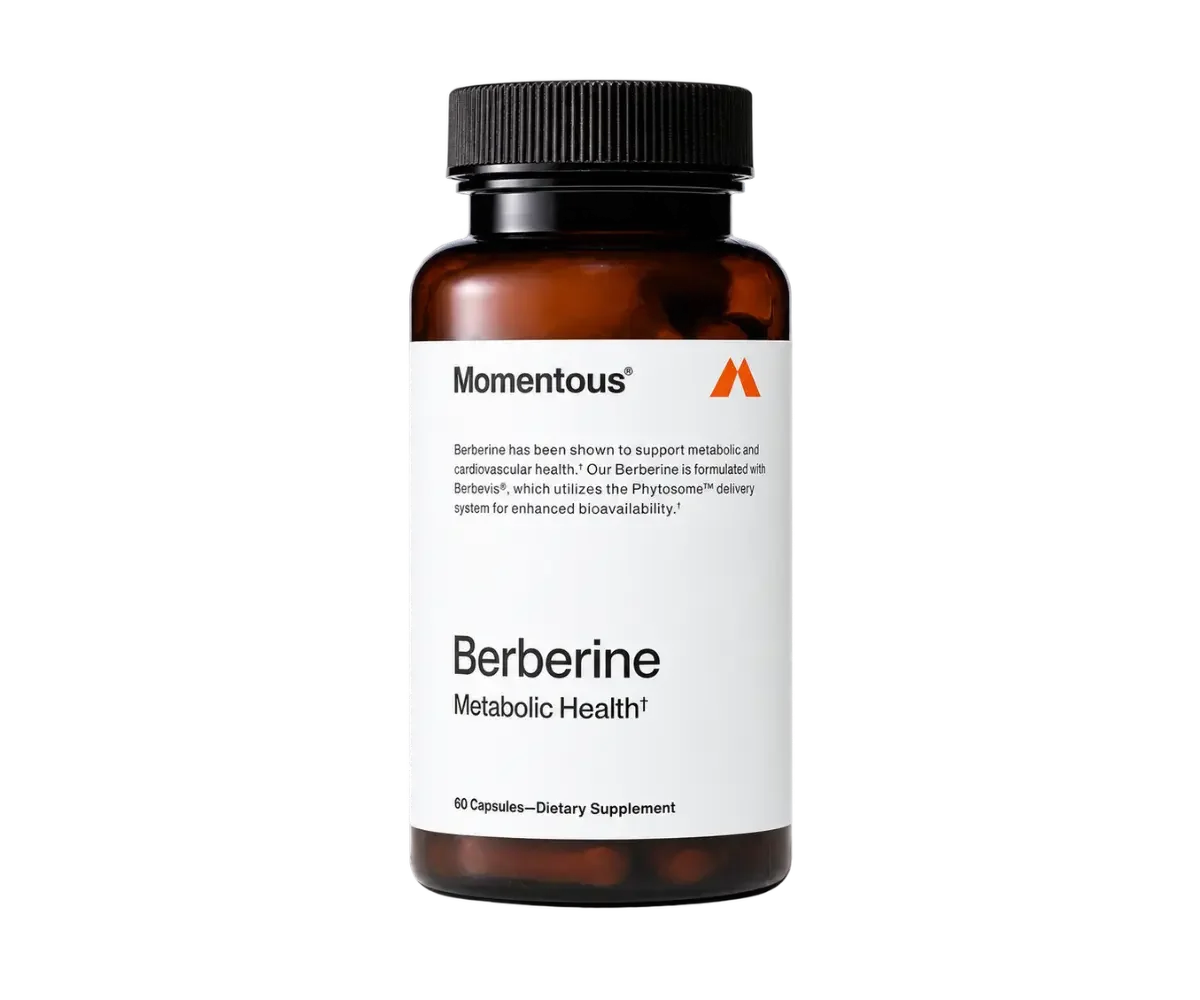
Berberine by Momentous
We choose Momentous Berberine because we wanted clear labeling and third-party testing.
Affiliate disclosure: If you purchase through my link and use code MARTRUTT, I may earn a commission at no additional cost to you. Offers can change, so confirm the current discount at checkout.
2. Magnesium: Important, Especially When Intake Is Low
Magnesium helps the body perform hundreds of essential processes. Those include using glucose and responding to insulin.
Research has found a connection between higher magnesium intake and a lower risk of developing type 2 diabetes. Some studies also suggest that magnesium supplements may improve insulin sensitivity or blood sugar control.
We use magnesium for relaxation, sleep, and general support.
What we chose: We have used both magnesium glycinate and magnesium L-threonate for different reasons. You can read about my personal experiences with each one in my magnesium reviews.

Magnesium
We have used both magnesium glycinate and magnesium L-threonate.
Affiliate disclosure: If you purchase through my link and use code MARTRUTT, I may earn a commission at no additional cost to you. Offers can change, so confirm the current discount at checkout.
3. Alpha-Lipoic Acid: More Relevant to Nerve Pain
We researched ALA because it appears frequently in conversations about diabetes.
Alpha-lipoic acid is an antioxidant that the body produces naturally. It helps cells turn glucose into energy and has been studied in people with type 2 diabetes.
Its more promising use may be diabetic neuropathy. This is the burning, tingling, numbness, or pain caused by diabetes-related nerve damage. Some reviews found a reduction in pain, and others found little improvement.
Based on the available evidence, I would describe it as an option for nerve-pain support.
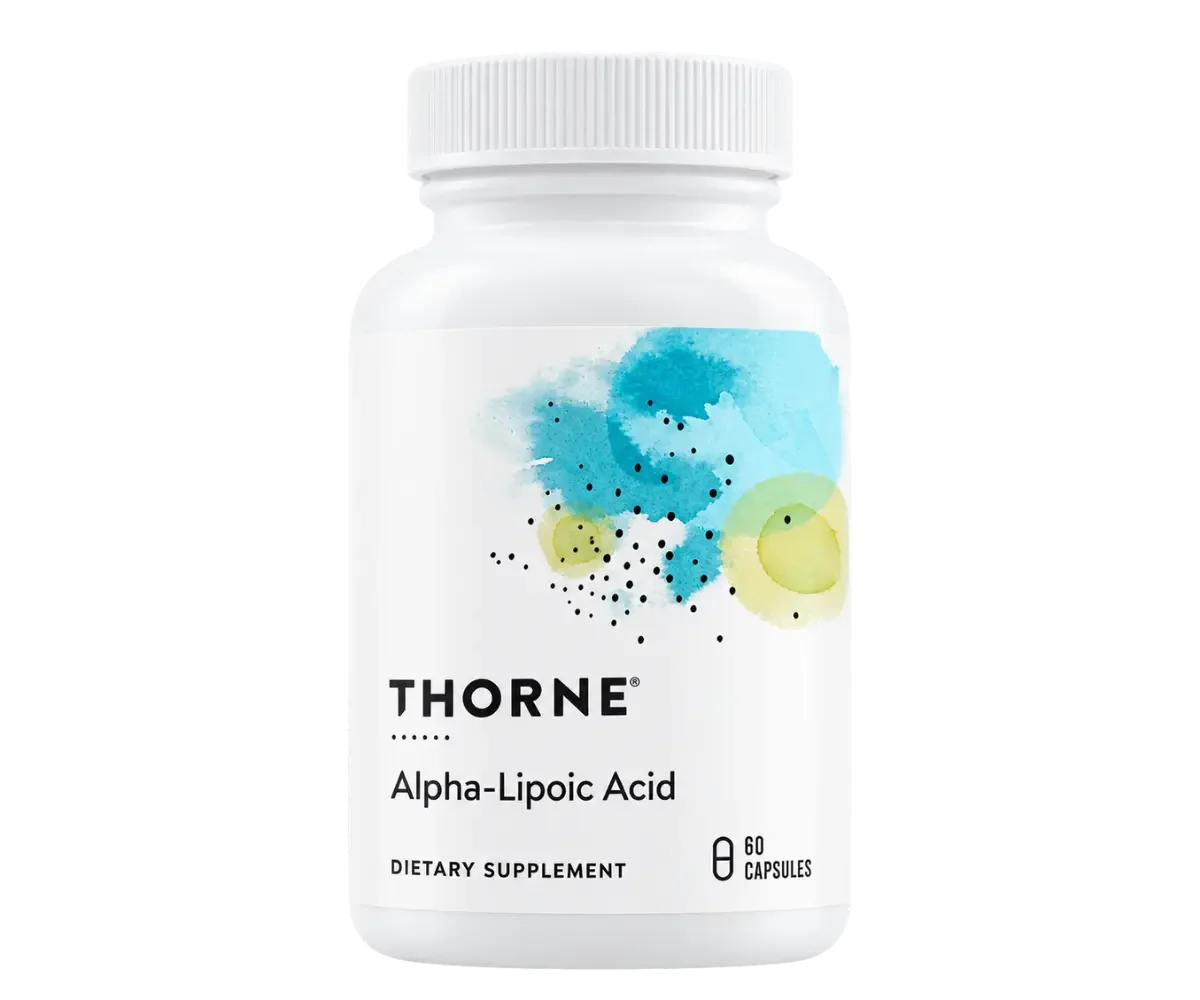
Alpha-Lipoic-Acid
As an Amazon Associate, I earn from qualifying purchases.
4. Cinnamon Extract
Cinnamon was already sitting in my kitchen. Still, it kept appearing in my research on blood sugar. Studies suggest cinnamon may help improve fasting blood sugar. Other studies found no benefit. The evidence is mixed, so I don’t call it a treatment for diabetes.
We chose Ceylon cinnamon instead of the more common Cassia variety. Cassia contains more coumarin which is a natural compound that affects the liver. Ceylon cinnamon contains much less.
For us, it was just one more choice added to the routine we were already building. Great in smoothies and one pill a day.
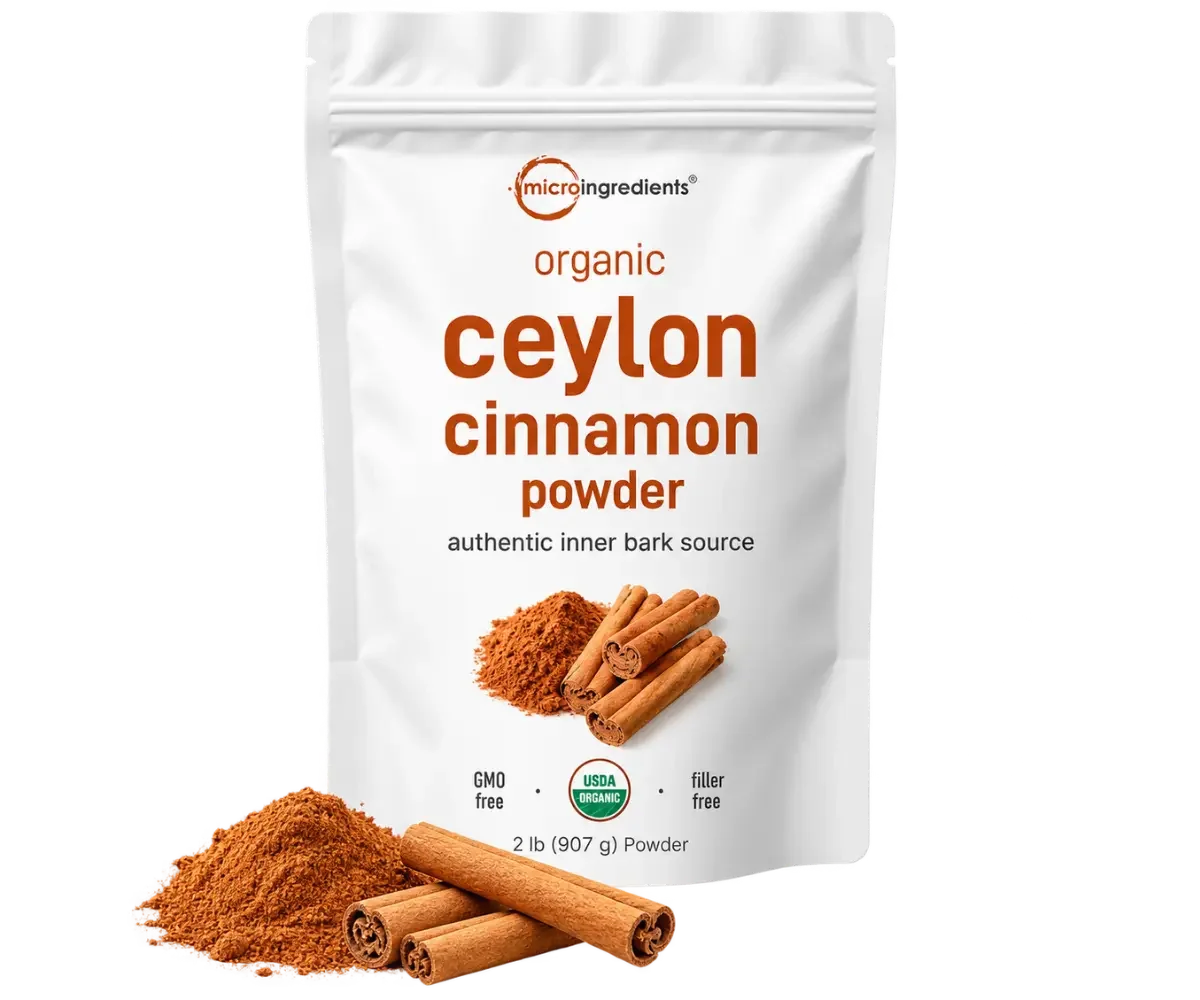
Ceylon Cinnamon
For us, it was just one more choice added to the routine we were already building. Great in smoothies.
As an Amazon Associate, I earn from qualifying purchases.
5. Ashwagandha
Ashwagandha is an herb traditionally used to help manage stress. Research suggests it may help reduce perceived stress and improve sleep. However, there is not enough reliable evidence to say that it treats type 2 diabetes.
Yet stress and sleep were part of the larger picture for us, so we included it, not as a magical solution for diabetes or a substitute for healthy meals.
Ashwagandha is not right for everyone. It may affect the thyroid, interact with medications, or cause stomach discomfort and drowsiness. Alway consult with your health provider.
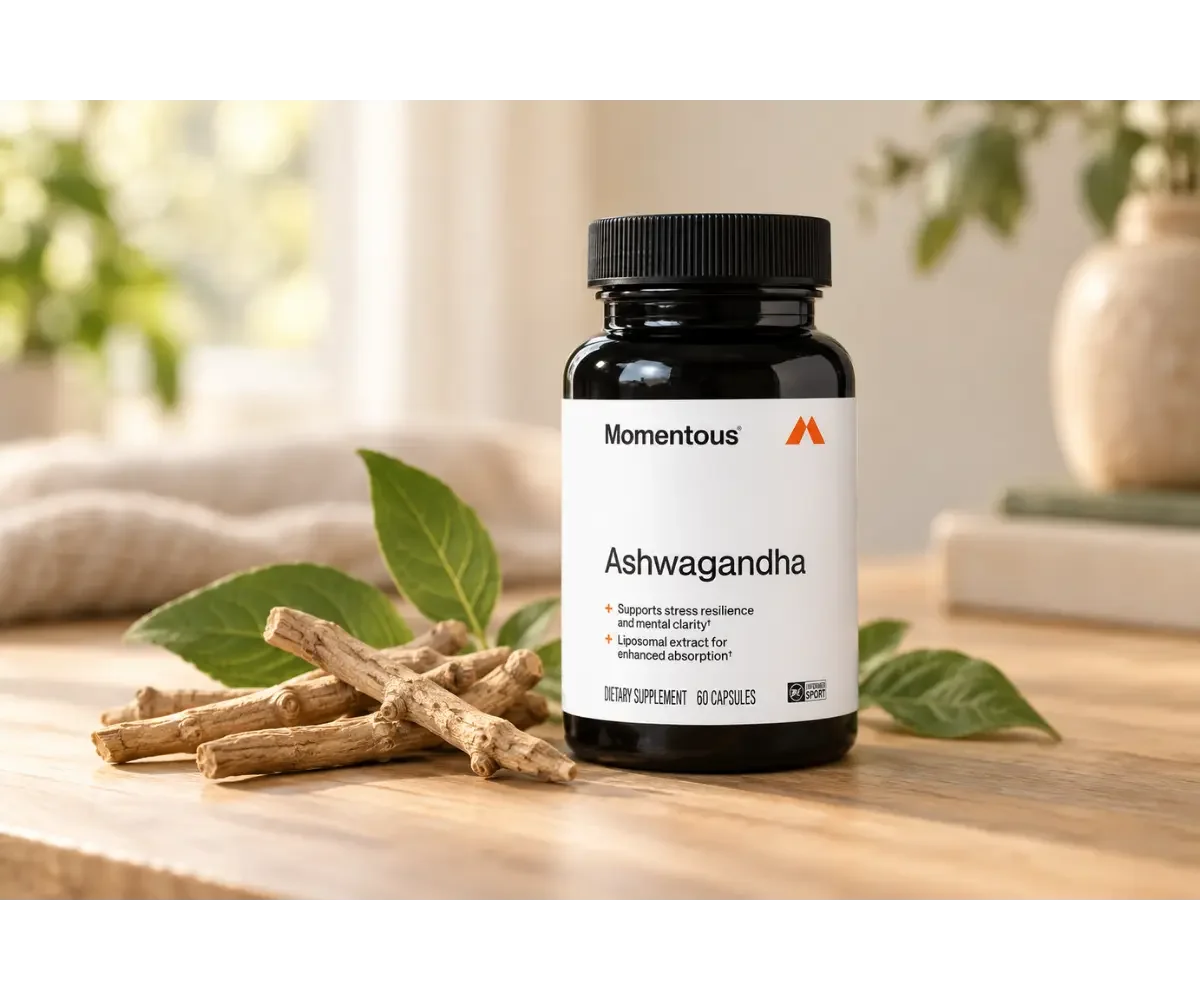
Ashwagandha
Our choice: We use because of its clearly labeled formula and independent testing.
Affiliate disclosure: If you purchase through my link and use code MARTRUTT, I may earn a commission at no additional cost to you. Offers can change, so confirm the current discount at checkout.
6. Chromium
Chromium is a trace mineral involved in the way the body uses insulin, and that’s why it is in so many supplements marketed for blood sugar.
It looked like an obvious choice, right? If chromium helps insulin work, taking more should improve blood sugar. Unfortunately, it is not that simple. Some studies found small improvements in fasting glucose or A1C. Others found no benefit.
We researched chromium because it kept appearing in blood sugar formulas. Still, I would not treat it as an automatic addition to every diabetes routine.
Chromium can also interact with insulin, metformin, and other medications that lower blood sugar. Combining them may cause glucose to drop too far. People with kidney or liver problems should be especially careful.
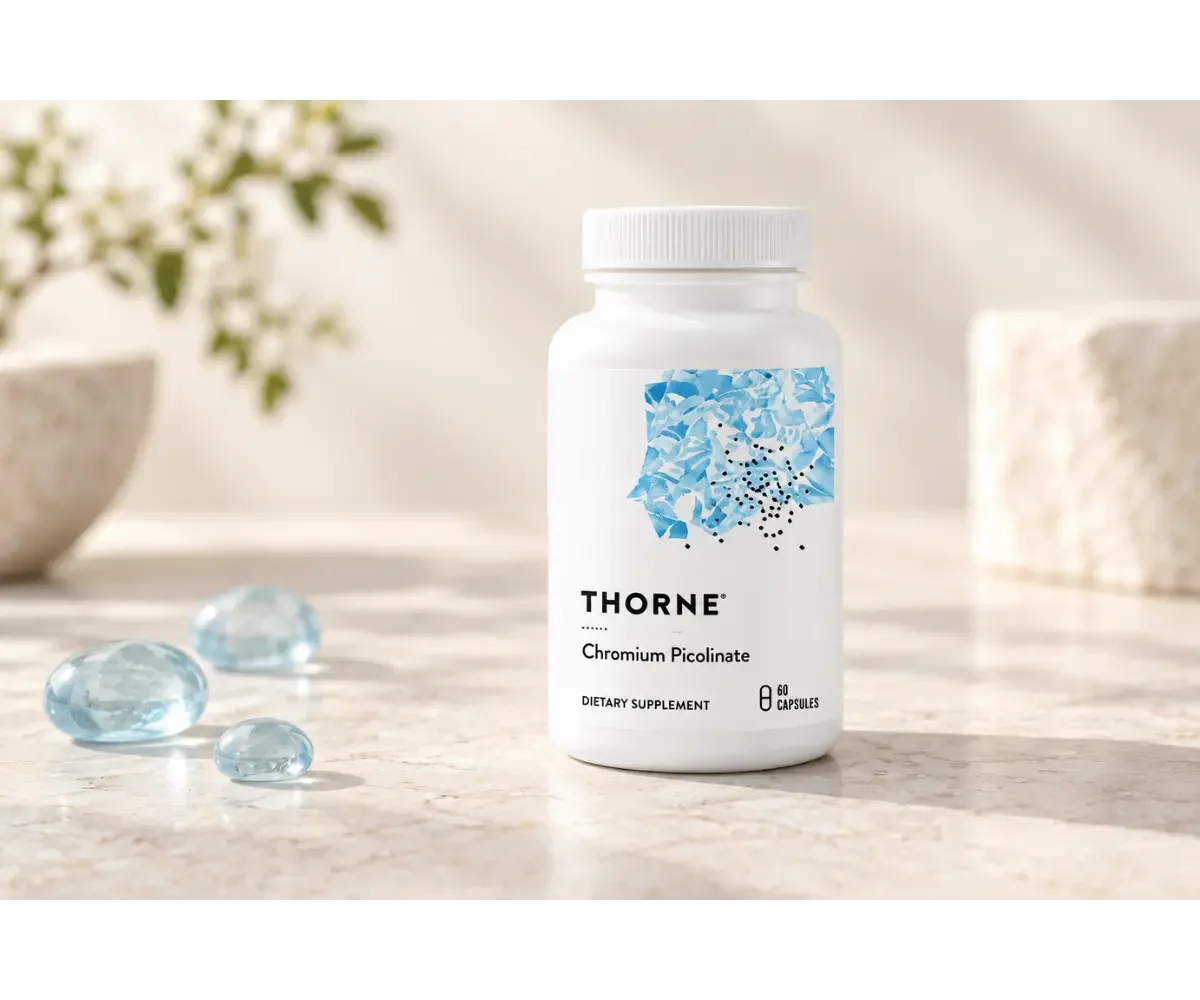
Chromium Picolinate
We chose a product that lists the exact form and amount of chromium
As an Amazon Associate, I earn from qualifying purchases.
7. Omega-3 Fatty Acids: More About Heart Health Than Blood Sugar
I had always connected omega-3s with heart and brain health. I had never thought much about how they fit into a diabetes routine.
Here is what I learned.
Omega-3 fatty acids, especially EPA and DHA, can help lower high triglycerides. That matters because people with type 2 diabetes often face a higher risk of heart disease.
For us, omega-3s made sense as part of the bigger health picture. Supporting the heart and improving triglycerides still matters, even when a supplement does not move the glucose meter.
Keep in mind that fish oil may interact with blood-thinning medication. Higher doses should be discussed with a healthcare professional.
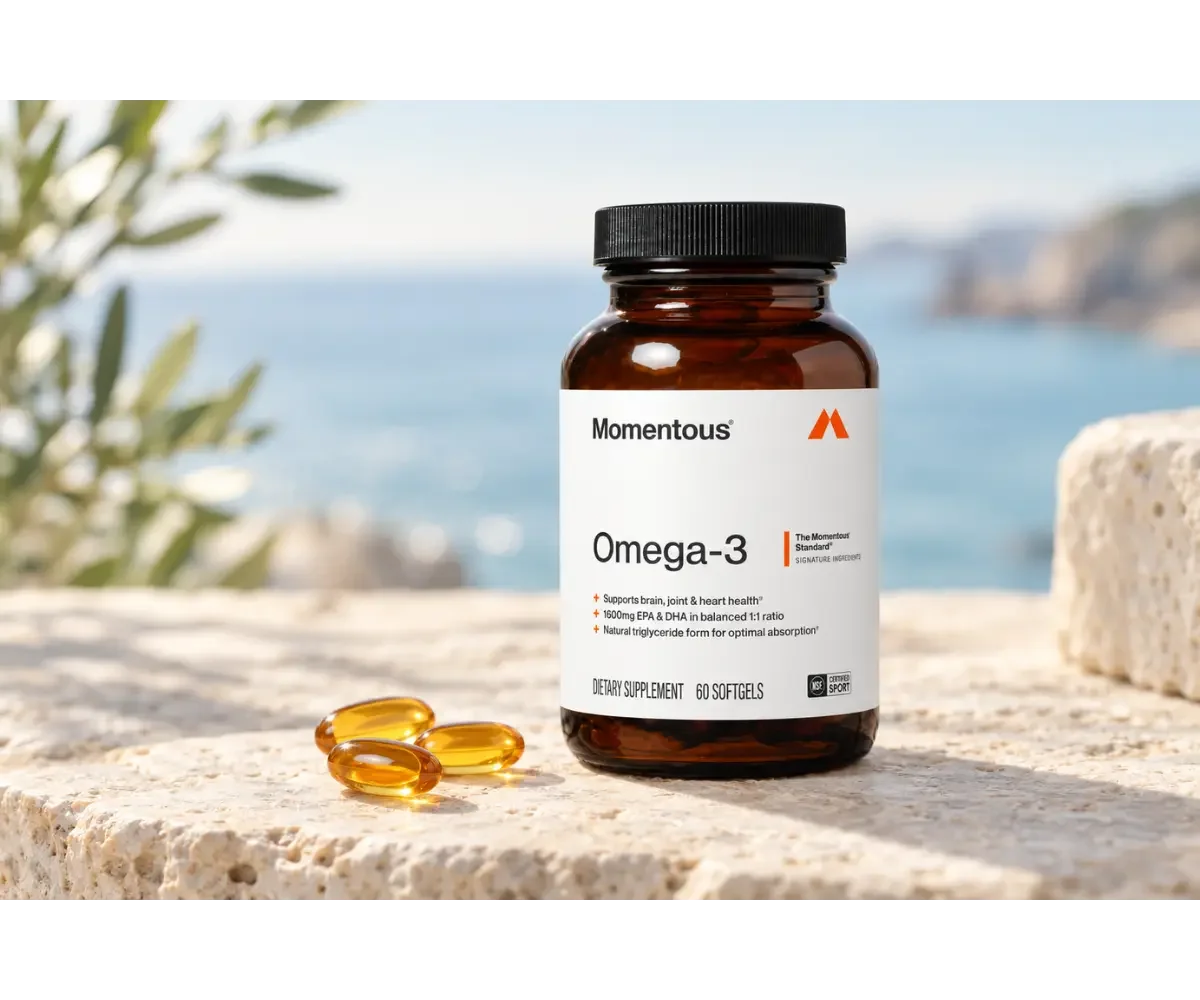
Omega 3
A clearly labeled omega-3 supplement that lists its EPA and DHA amounts and has been independently tested for purity and freshness.
Affiliate disclosure: If you purchase through my link and use code MARTRUTT, I may earn a commission at no additional cost to you. Offers can change, so confirm the current discount at checkout.
Supplements are only one part of the picture. Because ongoing stress can also affect sleep, appetite, and glucose patterns, these natural ways to support a healthier cortisol rhythm may help strengthen the foundation.
How I Choose a High-Quality Supplement
A beautiful bottle can make almost anything look trustworthy. Unfortunately, the front label rarely tells the entire story.
I turn the bottle around and read the small print. That is where the useful information lives.
Here is what I check:
The exact ingredient and form. “Magnesium” is not enough. I want to know whether it is glycinate, citrate, oxide, or another form.
The amount in each serving. A label may advertise an ingredient while providing very little of it.
Independent testing. Certifications from organizations such as NSF or USP provide extra reassurance about purity and label accuracy.
A short, transparent ingredient list. I avoid proprietary blends that hide the amount of each ingredient.
The manufacturer and seller. Supplements should come from a company that is easy to identify and contact. When buying online, I also check who is actually selling the product.
I would rather buy one carefully chosen supplement than fill a cabinet with bottles I do not understand.
For a closer look at labels, certifications, and common marketing tricks, read my guide on how to choose high-quality supplements.
Frequently Asked Questions About Supplements for Type 2 Diabetes
Can supplements lower blood sugar?
Some supplements may modestly affect blood sugar or insulin sensitivity. Results vary, and supplements should not replace healthy habits, monitoring, or prescribed treatment.
What is the best supplement for type 2 diabetes?
There is no single best choice for everyone. Berberine has promising research, while magnesium may matter more for someone with a low magnesium intake or deficiency.
Do I need to take all seven supplements?
No. Taking more does not guarantee better results. Choose supplements based on your needs, health history, medications, and professional guidance.
Can diabetes supplements interact with medication?
Yes. Berberine, chromium, cinnamon, and other supplements may increase the effects of glucose-lowering medication. This could cause blood sugar to drop too low.
How long does it take to notice a difference?
There is no standard timeline. Track your glucose readings and lab results rather than relying on how you feel.
How can I tell whether a supplement is high quality?
Look for transparent labels, clearly stated doses, and independent testing. Avoid proprietary blends that hide the amount of each ingredient.
This content is based on personal experience and research and is not intended as medical advice. Supplements can support the process, but they don’t replace proper medical care, diagnosis, or treatment.
Explore these diabetes-friendly kitchen essentials, they are the ingredients and staples we keep on hand to make healthier meals easier.
If you have a medical condition or take medication, talk to your healthcare provider before adding new supplements to your routine.
A Quick Note on Responsibility
Nothing here replaces medical care. These supplements are tools — not magic fixes. Blood sugar stability always begins with food, movement, sleep, and stress regulation.
We monitor consistently, adjust thoughtfully, and make changes gradually. If you’re on medication or managing a diagnosis, talk to your healthcare provider before adding anything new.
Supplements work best when they support a lifestyle that’s already moving in the right direction.
Disclaimer:This post is for informational and educational purposes only and is not intended as medical advice, diagnosis, or treatment. Always consult with a qualified healthcare provider before making any changes to your diet, medications, or supplement routine—especially if you have a medical condition such as type 2 diabetes. The supplements mentioned here are based on research and personal experience, but every body is different. Use responsibly and under professional supervision.
Affiliate Disclaimer: This post contains affiliate links. That means if you click through and make a purchase, I may earn a small commission—at no extra cost to you. I only recommend products I personally use, trust, or have thoroughly researched. These small commissions help keep Midlife Accent alive and ad-free, so thank you for supporting this journey of natural healing and reinvention.
