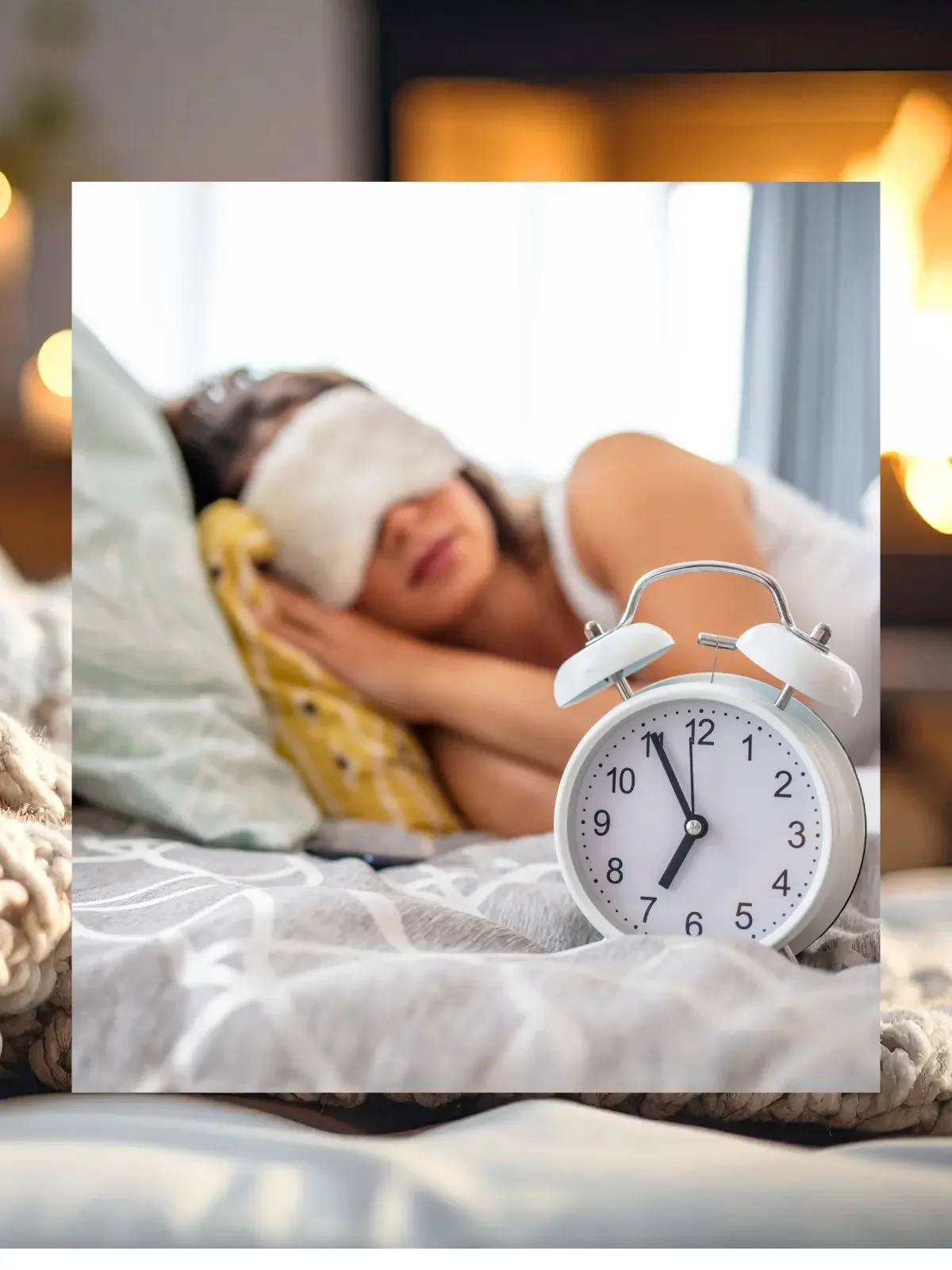
How Dry Air Affects Your Sleep (And What Actually Fixed It)
This post contains affiliate links. If you choose to purchase through them, I may earn a small commission at no additional cost to you. I only recommend products I personally use and trust.

Dry air affecting your sleep isn’t something most people think about—until it happens to them. If you’ve been waking up with a dry throat, tight skin, or that strange discomfort you can’t explain, your environment might be the reason.
I didn’t grow up with real winters. I’m from Florida—humidity, frizzy hair, and mosquitoes with attitude. When I experienced my first North Dakota winter, I wasn’t ready for the effects of dry air on my body, especially at night.
At first, I blamed winter. But when the snow melted, nothing changed. That’s when I realized something most people overlook; air conditioning can dry out your environment just as much as winter air.
How Dry Air Affects Your Sleep (And Why It’s Worse Than You Think)
When your bedroom lacks moisture, your throat and nasal passages dry out, your skin feels tight, and your body struggles to stay fully relaxed.
You may not fully wake up, but these minor irritations cause micro-disruptions that pull you out of deep sleep again and again.
Then, there’s the annoying sign—static. If your sheets cling or you feel tiny shocks, your air is extremely dry and pulling moisture from your body.
It’s subtle. Easy to blame on anything else. But sometimes, it’s simply the air working against your sleep.
What I Tried That Didn’t Work (Before I Fixed It)
At first, I did what most people do—I bought a humidifier. Then another, and another.
Some humidifiers did nothing. Others worked for a while, then faded. Most humidifiers demanded constant cleaning and refilling—more stress than solution.
I moved them closer to the bed. Ran them overnight. Switched brands. Tweaked every setting. Still woke up with the same dry throat, tight skin, and restless feeling. Sounds familiar?
The problem isn’t you. The deal is to find a humidifier that delivers real moisture without taking over our routine.
How to Choose the Right Humidifier for Better Sleep
Not all humidifiers fix dry air—and the wrong one can waste your time fast. If your goal is better sleep, focus on performance, not just price or looks.
Here’s what actually matters:
Room coverage that matches your bedroom
Check the square footage. Too small = no impact. For most bedrooms, aim for a unit rated for 200–400 sq ft (or higher for open spaces).
Consistent output (not just a pretty mist)
You want steady humidity through the night, not a quick burst that fades. Look for adjustable output levels and a longer runtime.
Quiet operation
If it hums, buzzes, or gurgles—you’ll hear it at 2 a.m. Look for ultra-quiet or sleep mode features.
Easy to clean (this matters more than you think)
If cleaning feels like a chore, you’ll stop using it. Wide tank openings, simple parts, and minimal buildup = you’ll stay consistent.
Auto shut-off + humidity control
Auto shut-off keeps it safe. A built-in humidistat helps maintain balanced moisture instead of overdoing it.
Quick rule to keep it simple
If it’s:
Too small.
Too loud.
Or too annoying to maintain.
You won’t use it—and it won’t fix your sleep.
The right humidifier should run quietly in the background, keep the air balanced, and let you forget it’s even there.
The Best Humidifier for Sleep (What Finally Worked for Me)
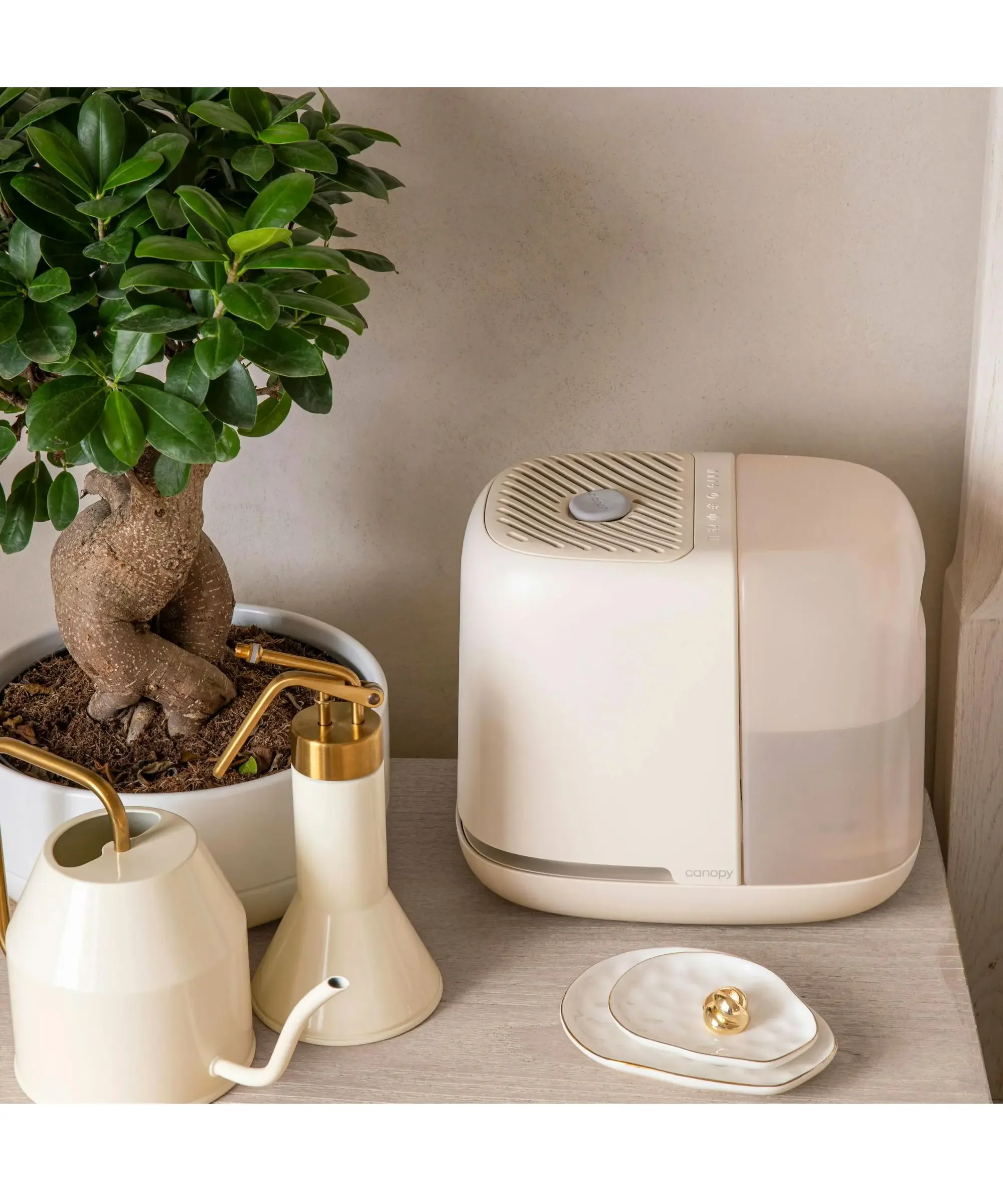
After trying more humidifiers than I care to admit, I stopped chasing features and focused on one question: Does it actually keep the air comfortable all night—without turning into a chore?
This is the one that finally did. The Canopy Humidifier
From the first night, the difference felt real. I didn’t wake up reaching for water. My throat didn’t feel raw. The air felt… balanced. Quietly, steadily, without me thinking about it.
What made this one work when the others didn’t:
Consistent moisture all night — not a burst, not a drop-off.
Quiet enough to disappear — no hum, no distraction.
Low-maintenance design — easy to refill, easy to clean.
Right coverage for a bedroom — it actually reaches the space
It removed the thing that kept working against me: dry air, and that changed how I slept.
If you’re dealing with dry air affecting your sleep, this is the humidifier you want—one that works in the background and lets your body do what it’s supposed to do: rest.
The Technology That Made the Difference
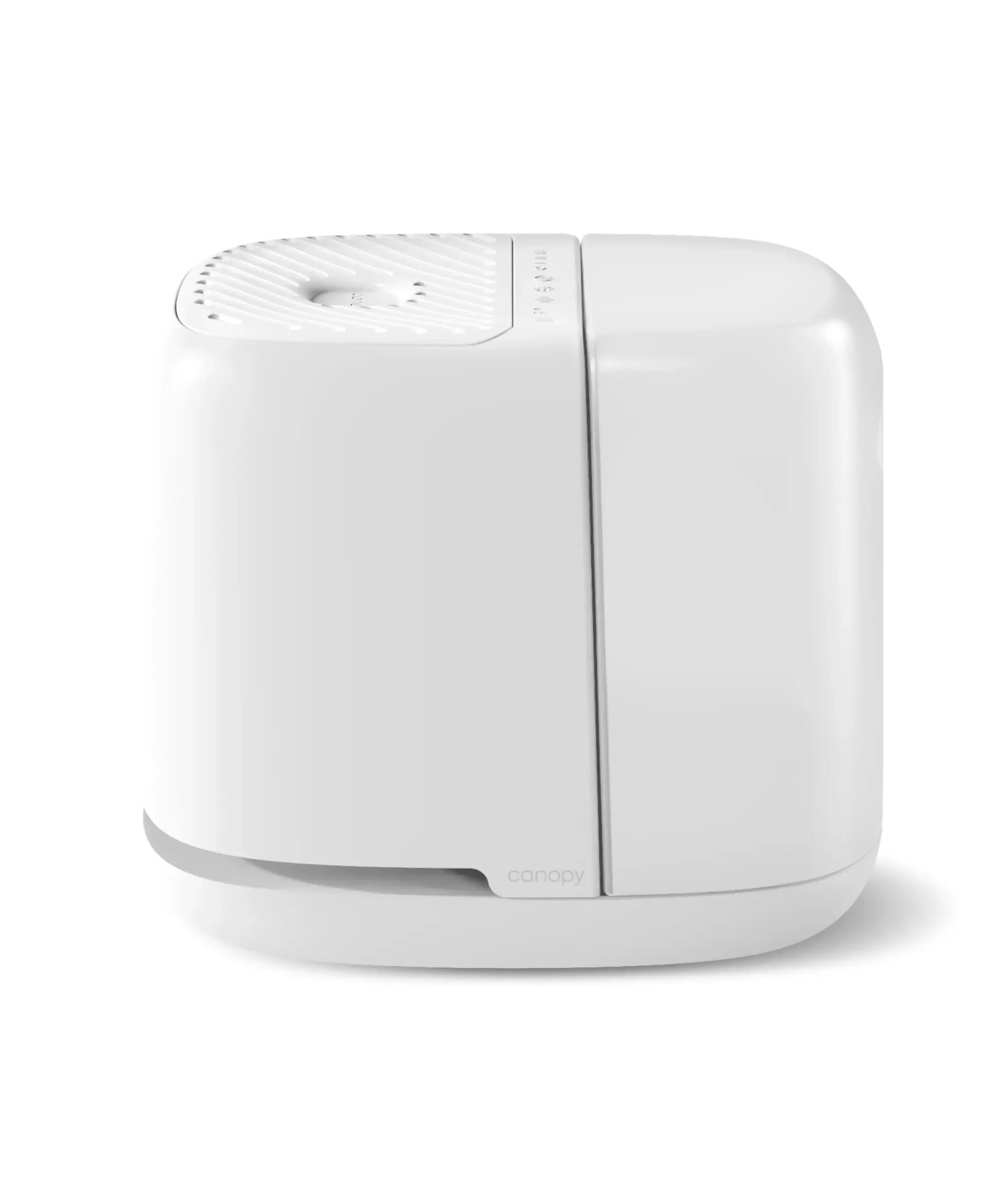
What finally convinced me this wasn’t just another humidifier was how much of the work happens quietly inside the machine.
The water is filtered to reduce particles and minerals; a UV light adds an extra layer of cleanliness, and internal airflow dries everything after use—helping prevent mold before it becomes a concern.
Most humidifiers rely on you to prevent mold. Canopy is designed to prevent it by default. That means less scrubbing, less worry, and less “what am I breathing in?” anxiety at night.
And yes—this means the Canopy Bedside Humidifier Duo works with tap water, which is not a small thing when winter weather in North Dakota turns simple errands into full-scale expeditions.
What It Feels Like to Live With
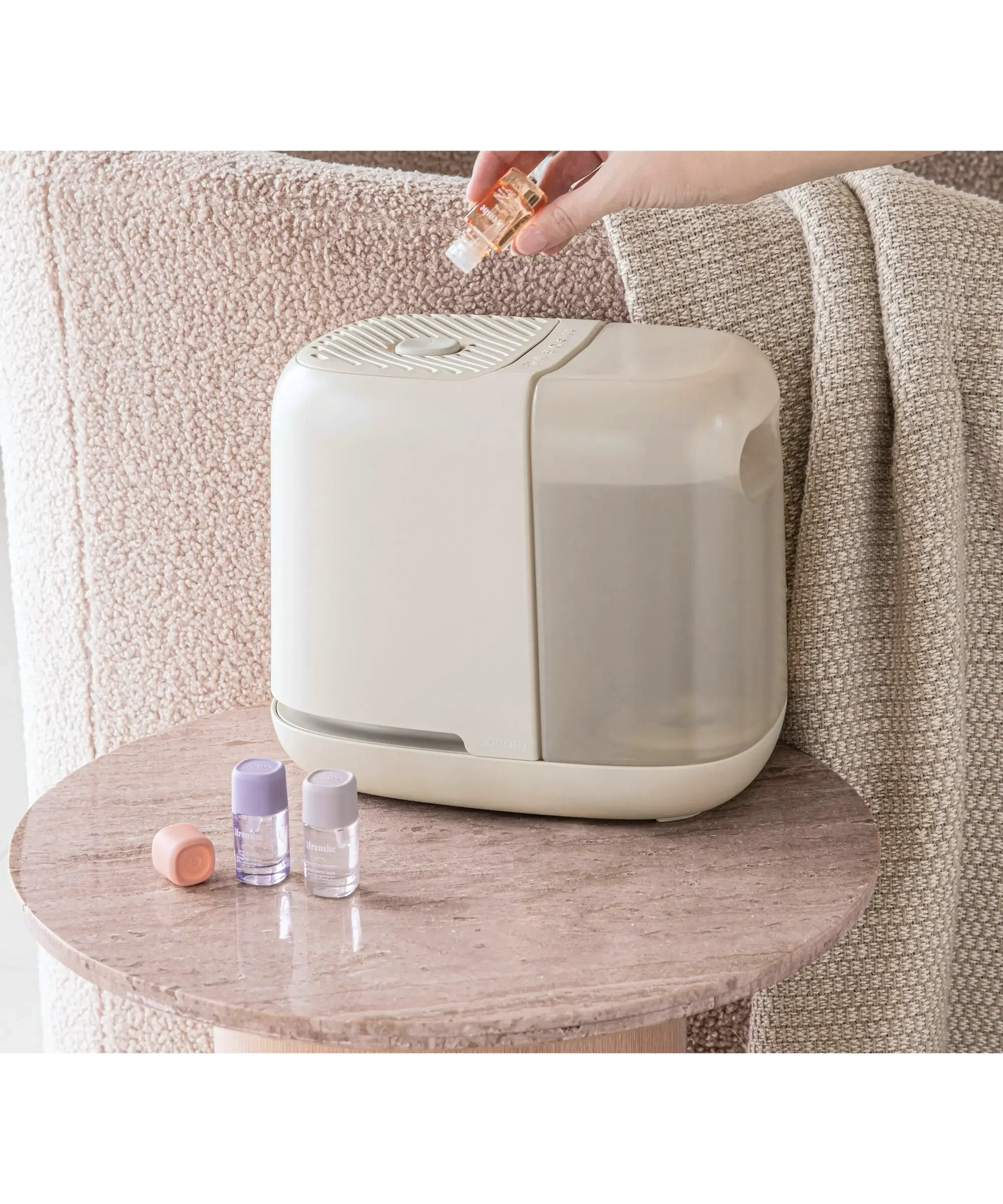
One of the understated perks of the Canopy Humidifier is that it doesn’t just hydrate air—it can gently scent it too. The built-in aroma feature adds a soft, comforting scent to the room—never overpowering, always subtle.
You can use the included aroma stone with Canopy’s scent kits or your preferred essential oil, turning each night into a small ritual—inhale calm, exhale everything else.
I also bought the Canopi Bedside Humidifier Duo for my nightstands and let them run through the night. There’s no mist blowing toward me. No cold air wake-ups. No sound pulling me out of sleep.
The air in the room feels different—not damp, not heavy—just… softer. My throat stopped burning at night. I stopped waking up feeling like I’d spent hours breathing desert air. My skin—especially on my hands and arms—finally felt like mine again.
If you’re wondering about options, Canopy offers a few thoughtfully designed variations: The Portable Humidifier Duo is ideal for smaller spaces like an office or even the car—I keep one on my desk, where dry air tends to sneak up on me fastest.
They Bedside Humidifier Filter 2.0 Bundle, for your room, which can also includes a full year’s supply of filters—a practical choice if you prefer to set it once and forget about maintenance altogether.
The Large Room Humidifier perfect for your living room and big areas.
Features I Actually Use & Why They Matter
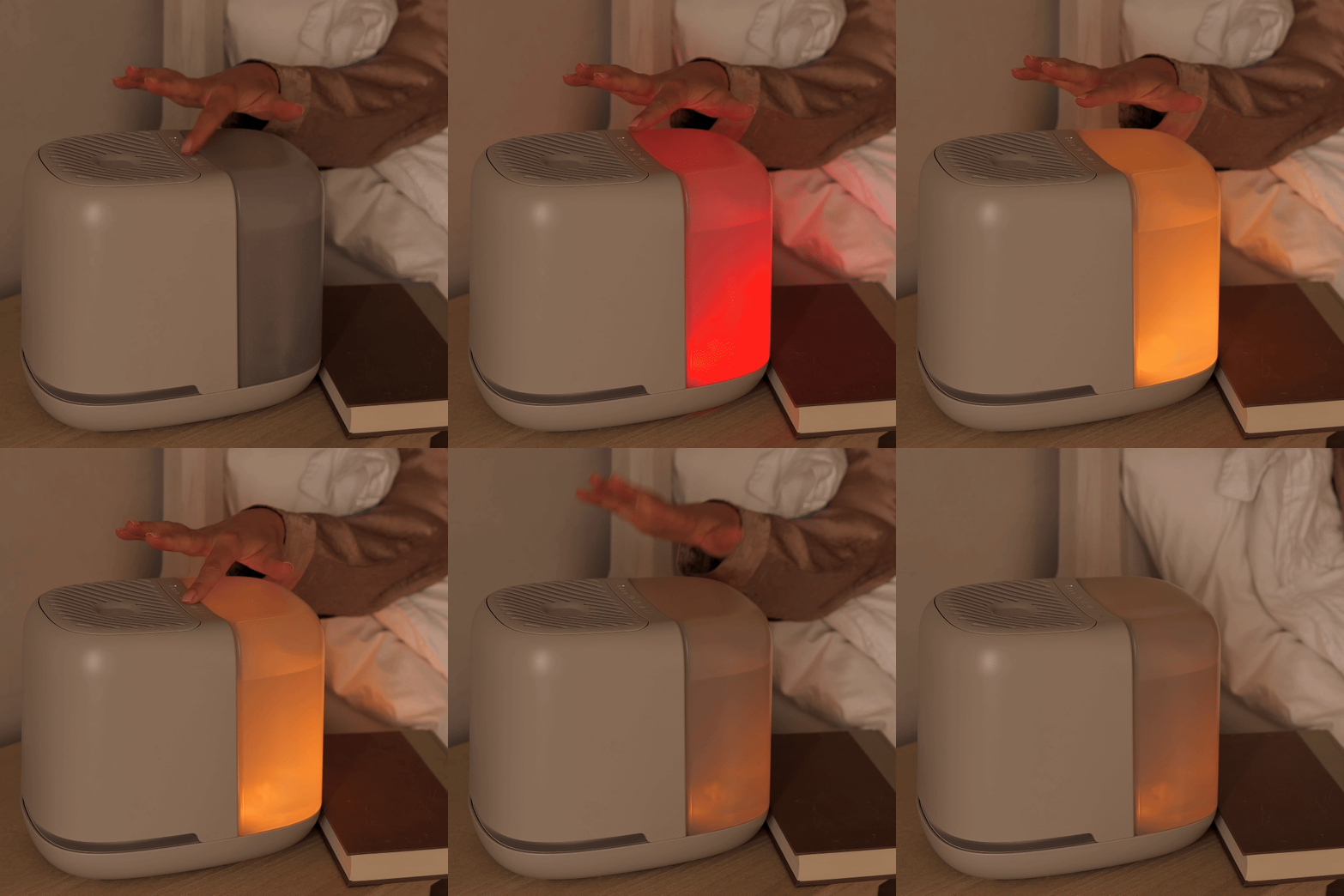
The Canopy Bedside Humidifier includes:
Adjustable humidity levels.
Optional white noise.
A soft white reading light.
A red sleep-friendly night light.
I don’t use the sound. Silence is sacred to me. But the red light? That surprised me—in the best way. I usually get up once at night to use the restroom, and blue light from a lamp instantly wakes my brain up, making it harder to fall back asleep.
The red light, on the other hand, lets me see exactly where I’m going without jolting my system. No eye shock, no cortisol spike—just enough guidance to move through the dark and slip easily back into sleep when I return to bed.
Maintenance, Honestly

This matters. The components come apart easily. They’re simple to rinse, and yes—many parts are dishwasher safe. But more importantly, I don’t feel like I’m fighting mold every week. Because the system dries itself internally, maintenance feels preventive instead of reactive. That alone makes it different from every humidifier I tried before.
Who It’s For (and Who It Isn’t)
This isn’t a one-size-fits-all solution. It’s a specific kind of comfort for a specific kind of person.
This is for you if:
Winter dryness affects your skin, throat, or sleep.
You live with forced-air heating.
You need quiet, not noise.
You want hydration without mist.
You value calm design and low maintenance.
This may not be for you if:
You want visible mist.
You prefer cheaper, short-term fixes over long-term comfort.
With a long runtime and coverage of up to 500 square feet, this humidifier quietly delivers on its promises. The difference is most noticeable with consistent use: improved sleep, easier breathing, and no dry-air side effects.
The Filter

It’s not just a cold-weather solution, either. The MERV1 pro-filter traps larger particles, helping keep dust, minerals, and residue out of your air—something I especially appreciate during allergy season and in dry indoor environments year-round. The filter needs to be replaced about every 45 days. If maintenance isn’t your strong suit, choosing the filter subscription at checkout removes that mental load completely and ensures replacements arrive right on time.
FAQs About Dry Air and Sleep
Q. Does dry air really affect sleep quality?
A. Yes. Dry air can irritate your throat and nasal passages, making breathing less comfortable and causing small wake-ups during the night—even if you don’t remember them.
Q. Why do I wake up with a dry throat at night?
A. Low humidity pulls moisture from your body while you sleep. Your throat and airways dry out first, which is why you wake up needing water.
Q. Can air conditioning cause dry air like winter?
A. Yes. A/C removes humidity from the air, which can leave your bedroom just as dry as winter conditions—sometimes even worse if it runs all night.
Q. What humidity level is best for sleep?
A. Most experts recommend keeping indoor humidity between 40% and 60% for comfort, breathing, and better sleep.
Q. Do humidifiers actually help with sleep?
A. They can—if they’re the right size for your room and run consistently. A good humidifier helps maintain balanced air, which supports deeper, more comfortable sleep.
Q. Why do I feel static or get shocked in bed?
A. That’s a sign of very dry air. Low humidity increases static electricity, which means the air is pulling moisture from your environment—including your skin.
Q. How long does it take to notice a difference after adding moisture to the air?
A. Some people feel relief the first night—especially with throat dryness. Full improvement in sleep quality may take a few nights of consistent use.
Final Thoughts: Fix Dry Air to Improve Your Sleep
Dry air affecting your sleep isn’t always obvious—but once you notice it, you can’t unsee it.
For me, it wasn’t about winter. It wasn’t about one terrible night. It was the environment working against my body night after night.
And the fix? Not complicated. Not extreme. Just the right level of moisture in the air.
When that changed, everything else followed. My throat stopped waking me up. My skin felt normal again. Sleep felt deeper and real.
I didn’t need a better winter attitude. I needed better air.
The Canopy Humidifier made my nights and days livable. It gave me my nights back. It gave my skin relief, and it quietly solved a problem I didn’t even know had a name.
Sometimes wellness isn’t about adding more. It’s about removing what shouldn’t be there in the first place, and for me, that was dry air.
Subscribe to receive exclusive content.
Before You Go: Some links in this piece are affiliate links. If you choose to purchase through them, I may receive a small commission—never at an added cost to you. I only recommend what I’ve personally tried, researched deeply, or would confidently suggest to a woman I respect. Supporting this work helps keep Midlife Accent thoughtful, independent, and ad-free. Thank you for being part of this space.
Product Reviews