
Smart Air Fryer vs Oven (2026): Which Saves More Time, Energy & Money?
This post may contain affiliate links. If you choose to purchase through them, I may earn a small commission at no extra cost to you.

For decades, ovens have been the steady backbone of the kitchen. Reliable. Familiar. Always there when you need them.
But lately, something has shifted. Not because people suddenly fell in love with gadgets — but because time feels tighter, energy bills feel heavier, and most of us don’t want dinner to become another project.
So naturally, the comparison started: smart air fryer vs oven.
Not in theory — in real life.
Which one actually cooks faster on a weeknight?
Which one uses less electricity?
Which one makes a dent (or doesn’t) in your monthly energy bill?
Smart air fryers stepped into that space quietly. Smaller cooking chamber. Faster heat circulation. Shorter cooking cycles. Less preheating.
That difference matters more than ever.
So instead of asking which appliance is “better,” the real question is simpler:
Which one saves you more time, more energy, and more money in the meals you actually cook every week?
Let’s break it down.
Let’s break it down in real-life terms.
Cooking Time Comparison: Smart Air Fryer vs Oven
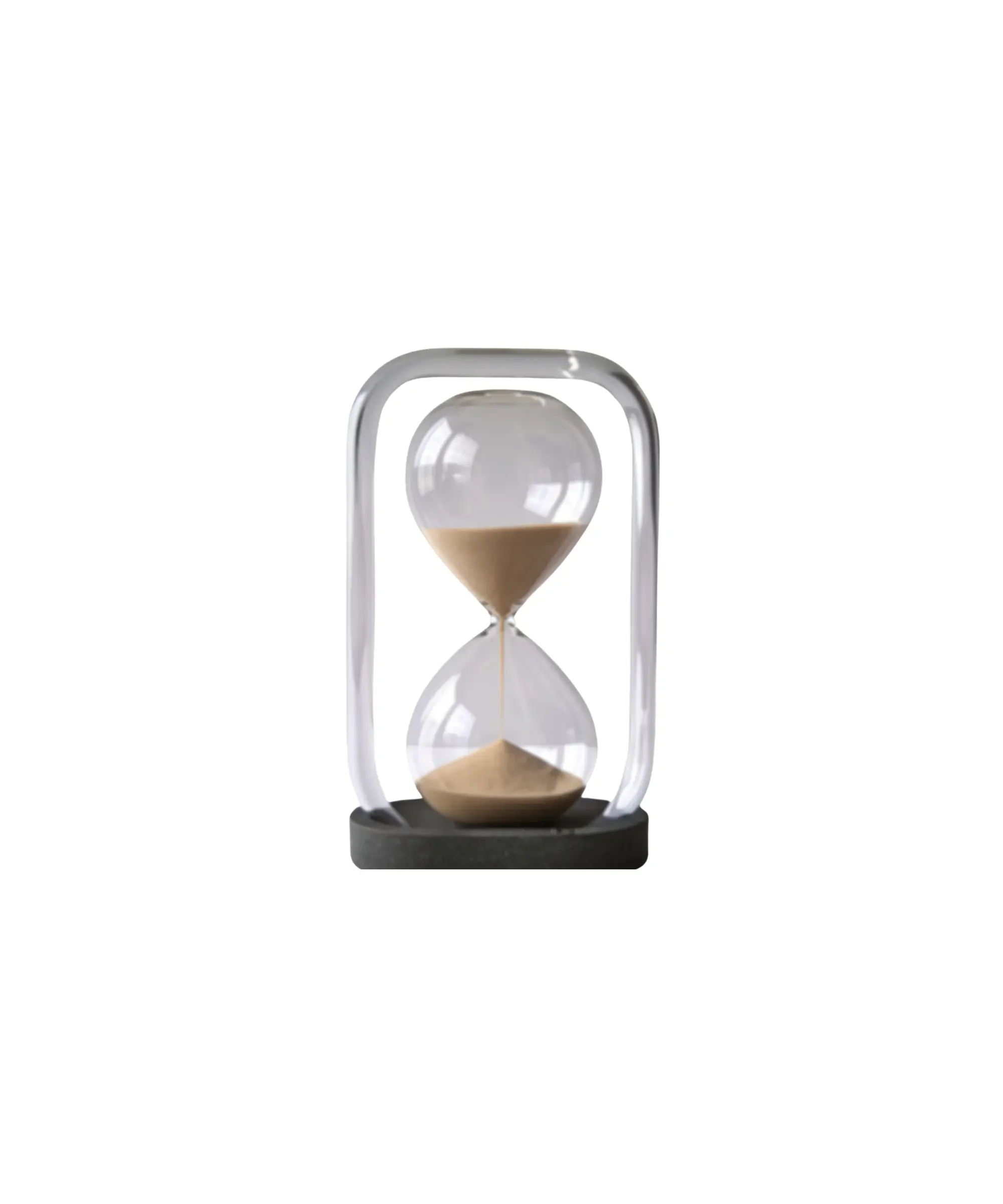
Traditional ovens usually need 10–20 minutes to preheat. Even if you’re just crisping chicken, roasting vegetables, or reheating leftovers.
In most smart air fryer vs oven cooking tests, air fryers require little to no preheat time and cook 20–40% faster depending on the food.
Why?
Because they use:
Smaller cooking chambers
High-intensity heating elements
360-degree rapid airflow
In real life, that means:
Dinner in 15–20 minutes instead of 40+
Faster weekday meals
Less “standing in the kitchen waiting.”
Ovens still win for:
Big family batches
Large trays
Holiday cooking
But for daily meals? Speed matters — and smart air fryers are built for it.
Energy Consumption: Which Uses Less Electricity?
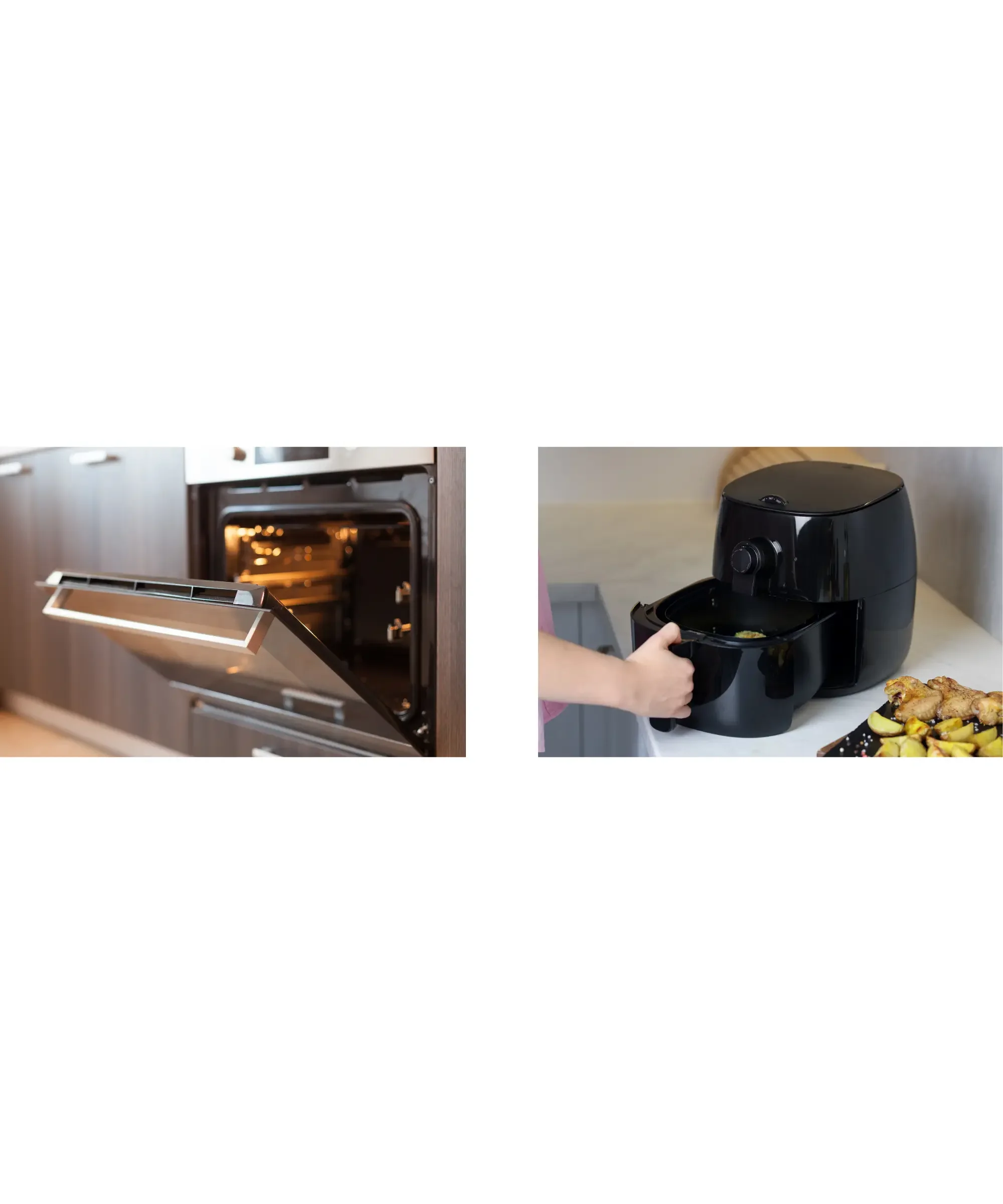
Ovens heat a large cavity — even if you’re cooking one portion.
Smart air fryers heat a much smaller space, which usually means:
Lower total energy per cook session
Shorter cooking cycles
Less wasted heat.
In most home testing comparisons, air fryers use roughly 50–75% less energy per session than a full-size conventional oven when cooking small to medium portions.
Many newer smart models also optimize heating cycles automatically, which reduces energy spikes. If you cook daily, especially small to medium portions, the energy savings can add up over months.
| Metric | Oven | Smart Air Fryer | Winner |
|---|---|---|---|
| Cooking Time (chicken wings) | 40 min | 18 min | Air Fryer |
| Energy per Session | 1500W / 40 min | 1200W / 18 min | Air Fryer |
| Monthly Cost (daily use) | $25-35 | $8-15 | Air Fryer |
Cost Comparison: Is an Air Fryer Cheaper Than an Oven?
Let’s look beyond the price tag.
Ovens
Higher upfront cost (already owned by most people)
Higher energy usage per session
Longer cooking cycles
Smart Air Fryers
Lower upfront cost (usually).
Lower energy per use.
Less food waste from overcooking or forgetting food.
But the hidden financial value is time.
Time saved cooking.
Time saved cleaning.
Time saved managing meals, and time is still the most expensive resource that most people don’t track.
Smart Features in 2026: Do They Actually Matter?
Smart air fryers now offer things ovens don’t typically provide: App control, preset cooking programs, auto adjustments, cooking notifications, and remote monitoring.
Is that required? No.
Is it helpful for busy real life? Often, yes.
The biggest shift is that technology is removing friction from daily life.
Smart Air Fryer vs Traditional Air Fryer: What’s the Difference?
Traditional air fryers already cook faster than ovens.
Smart air fryers add:
Precision timing
Guided cooking
Remote control
Consistency across meals
If you cook often, that consistency alone can be worth it.
High-Performance Smart Air Fryer Example: Typhur Dome 2
If you purchase through links in this post, I may earn a commission at no additional cost to you.

If you’ve been researching large-capacity smart air fryers, one model that keeps showing up in performance testing and cooking demos is the Typhur Dome 2.
It’s positioned as a premium large-capacity smart air fryer designed to combine speed, quiet operation, and intelligent cooking features — which is exactly where many modern kitchens are heading.
What stands out based on published testing and brand data:
• 360° heating system designed for even cooking
• Dual heating elements (top + bottom)
• Multifunction cooking modes for different meal types
• App-based recipe and cooking control
• Ultra-quiet operation design
• Self-cleaning cycle via app
• PFAS-free ceramic nonstick basket
It’s especially designed for foods people actually cook weekly — things like wings, steaks, bacon, vegetables, and even pizza — with a focus on consistent results rather than just speed alone.
👉 If you want to see full specs, cooking modes, and current pricing, you can check it here:
Typhur Dome 2
What I like about where smart air fryers are going in general — and why models like this are getting attention — is the shift toward consistency + time savings, not just “faster cooking.”
For busy households, that combination tends to matter more long-term than raw speed alone.
Smart Air Fryer vs Oven: Which Fits YOUR Kitchen?
Get an Air Fryer if:
✅ Weeknight cooking (4-6 servings max)
✅ Hate preheating/waiting
✅ Energy bill sensitivity
✅ Limited counter space
Stick with Oven if:
✅ Family of 6+ or meal prep
✅ Holiday cooking, roasts
✅ Already own good oven
✅ Bake cakes/breads often
Most kitchens need BOTH for different jobs.
FAQs: Smart Air Fryer vs Oven (2026)
Q. Do air fryers actually save money on electricity bills?
A. Yes—for daily small/medium meals. 50-75% less energy per session vs ovens. Monthly savings: $5-15 for frequent cooks.
Q. How much faster is an air fryer vs oven?
A. 20-40% faster cooking + no preheat. Chicken wings: 18 min (air fryer) vs 40 min (oven). Weeknight game-changer.
Q. Can air fryers replace ovens completely?
A. No. Ovens better for large batches, cakes, casseroles. Air fryers win daily meals (80% of cooking).
Q. Are smart air fryer features worth it?
A. Yes if you cook often. App control, auto-adjustments, recipe guidance save mental load. Traditional works too.
Q. What's the break-even point on air fryer purchase?
A. $100-200 air fryer pays for itself in energy savings + time in 6-12 months vs daily oven use.
Final Verdict: Which Appliance Saves More Long Term?
If your goal is:
Save Time → Smart Air Fryer wins.
Save Energy → Smart Air Fryer often wins.
Save Money Long Term → Smart Air Fryer wins again.
Cook Large Meals → Oven still wins.
For daily real-life cooking in 2026, smart air fryers are quietly becoming the default workhorse.
If you’re specifically looking for safer, PFAS-free models, I break down the top options here → 9 Best Non-Toxic Air Fryers (2026 Guide)
If you want smarter ways to save time, energy, and money — without turning life into another full-time job — join the Midlife Accent newsletter.
Real tools. Real strategies. Real life. Delivered weekly.
Disclaimer: Some links in this piece are affiliate links. If you choose to purchase through them, I may receive a small commission—never at an added cost to you. I only recommend what I’ve personally tried, researched deeply, or would confidently suggest to a woman I respect. Supporting this work helps keep Midlife Accent thoughtful, independent, and ad-free. Thank you for being part of this space.
More
Product Review