
Gut-Brain Connection: Why Stress Affects Digestion and Anxiety
This post may contain affiliate links. If you choose to purchase through them, I may earn a small commission at no extra cost to you.
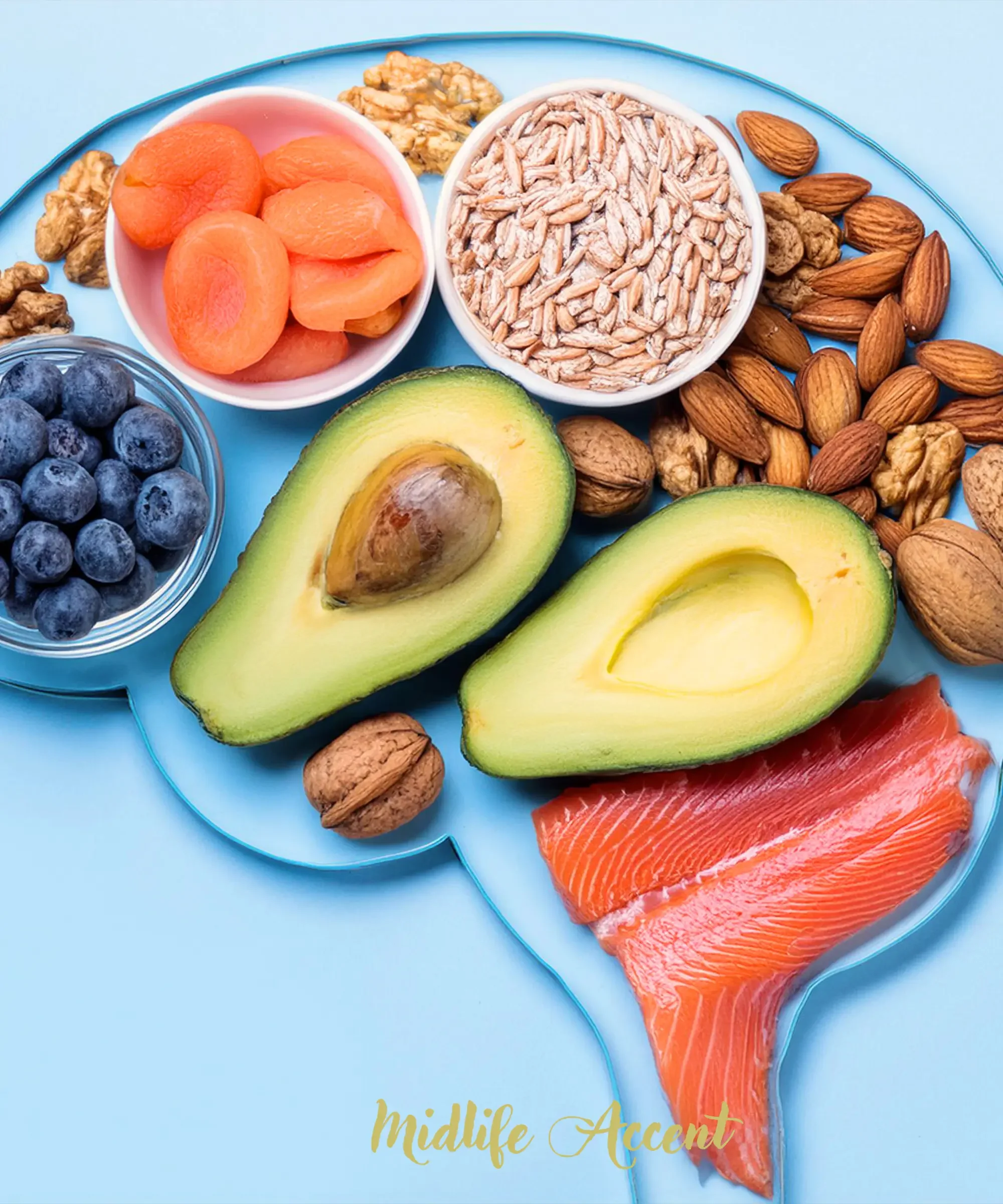
What you’re feeling is part of the gut-brain connection—the constant communication between your nervous system and your digestive system.
Stress doesn’t just affect your thoughts. It can show up in your gut as bloating, urgency, discomfort, or changes in digestion.
In this guide, you’ll learn how the gut-brain connection works, why stress affects digestion, and simple ways to support both naturally.
What Is the Gut-Brain Connection?
Your brain and gut are linked by the vagus nerve, a two-way superhighway for messages. When you’re relaxed, the vagus nerve helps keep digestion humming along. But when you’re stressed, your brain sends an urgent “we’re in danger” signal—slowing digestion so your body can focus on survival.
The problem? In 2025, most of us aren’t running from predators—we’re running from back-to-back Zoom calls, work deadlines, and a never-ending news cycle. Yet your gut responds the same way, leading to digestive chaos.
How Stress Affects Digestion
Stress doesn’t stay in your head—it moves through your body. When you’re stressed, your body shifts into survival mode. It’s not focused on digesting food. It’s focused on getting you through what feels urgent. So digestion gets pushed aside.
Blood flow moves away from your digestive system. Stomach function changes. The normal rhythm of digestion slows down—or becomes unpredictable.
That’s why stress can show up as:
A tight or uneasy feeling in your stomach.
Bloating after meals.
Sudden urgency—or the opposite: nothing moving.
Nausea with no apparent cause.
It’s not random. It’s your body responding exactly as it was designed to. The problem is, modern stress never really ends. It’s not a one-time event—it’s constant notifications, pressure from work, hard conversations, and mental overload.
Your body reacts the same way every time, and when that stress becomes constant, digestion never fully resets. It doesn’t get the signal that it’s safe to slow down and do its job.
Over time, that can lead to ongoing discomfort, sensitivity, and patterns that feel confusing—especially when food isn’t the only trigger.
Why Stress Affects Your Stomach
Stress hormones like cortisol and adrenaline cause:
Reduced blood flow to digestion.
Increased inflammation in the gut lining.
Shifts in gut bacteria balance (more of the “bad” guys).
It’s why anxiety can cause bloating, stomach pain, or sudden bathroom runs.
🔗 Related: How to Lower Cortisol Naturally
Common Symptoms of Stress-Related Digestive Issues
Stress doesn’t always feel like stress—it often shows up in the gut first. When your body stays in a constant state of tension, digestion becomes inconsistent. That’s when symptoms appear, even if nothing has changed in your diet.
📋 Symptoms Checklist — Is Your Gut Stressed?

Frequent bloating or gas
Urgency before stressful events
Stomach pain with no clear cause
Diarrhea or constipation swings
Loss of appetite or intense cravings
Fatigue that follows gut flare-ups
If this list looks familiar, your gut might be waving a stress flag.
How Stress Affects Gut Health and Inflammation
Chronic stress keeps cortisol high, which disrupts your gut barrier, allowing inflammation to build. This inflammation can:
Affect mood (through serotonin production in the gut)
Trigger more anxiety
Make digestion more sensitive to triggers
Foods That Support the Gut-Brain Connection
Fibermaxxing—packing your diet with both soluble and insoluble fiber—supports gut health, balances blood sugar, and feeds good bacteria.
Gut-Friendly Foods:
Soluble fiber: apples, chia seeds
Insoluble fiber: leafy greens, carrots, whole grains
Prebiotic foods: garlic, onions, asparagus
Probiotic foods: kefir, sauerkraut.
L. reuteri yogurt: This yogurt is different. This unique probiotic strain helps balance your gut bacteria, which can ease stress-related stomach issues while supporting digestion, mood, and even immune health.
Unlike conventional yogurts, which are cultured for 4 to 8 hours, L. reuteri requires a slow, 36-hour fermentation to unlock its full benefits. It’s one of our favorite (and most effective) ways to nurture a calm, healthy gut.
If you want to learn exactly how to make it and why it works, check out my full guide here. L. reuteri Yogurt: How to Make It and Why It’s a Gut Game-Changer.
💡 Tip: Start slow with fiber to avoid extra bloating.
🔗 Related: 5 Low-Carb Comfort Meals.
How to Support the Gut-Brain Connection Naturally
Vagus nerve stimulation: hum, sing, or splash cold water on your face
Gentle movement: walking after meals, yoga twists, Zone 2 cardio
Breathing for digestion: deep belly breaths after eating to switch your body into “rest and digest” mode
Supplements That May Support the Gut-Brain Connection
Magnesium L-Threonate: Supports calm and cognitive function
Adaptogens:Ashwagandha, Holy Basil.
L-reuteri Yogurt
Affiliate Disclaimer: Some links in this section may be affiliate links, which means I may earn a small commission at no cost to you. I only recommend products I truly use and trust.
When to See a Doctor
Seek medical advice if you have:
Severe or persistent abdominal pain
Blood in stool
Unexplained weight loss
Frequent vomiting
FAQ: Gut-Brain Connection and Digestion
Q: Can stress cause IBS?
Yes. Stress can trigger IBS flare-ups or worsen existing symptoms.
Q: How do I know if my gut issues are stress or something else?
Track symptoms alongside stress levels. If they rise and fall together, stress may be a driver.
Q: What foods are best for calming the gut?
High-fiber veggies, fermented foods, and balanced meals that stabilize blood sugar.
Q: How long does it take to heal gut health naturally?
It varies, but many notice improvements in 4–12 weeks with consistent habits.
Final Thoughts: Stress, Digestion, and the Gut-Brain Connection
Your gut and brain are partners—they thrive or struggle together. If you’ve been feeling stressed and your digestion is a mess, it’s not “all in your head.” It’s in your nervous system, your gut lining, and your daily habits.
Start small: add fiber-rich foods, take a calming walk, breathe deeply. The more you nurture both brain and belly, the more they’ll support each other—and you.
If stress has been showing up in your gut, you’re not alone—and you don’t have to figure it out alone either.
Join the newsletter for simple, real-life ways to support digestion, reduce stress, and feel better day to day.
Disclaimer: I’m not a doctor, medical professional, or therapist. The information in this post is for educational purposes only and reflects my own research and personal experience. It’s not a substitute for professional medical advice, diagnosis, or treatment. Always consult a qualified healthcare provider before making changes to your diet, lifestyle, supplements, or treatment plan.
Affiliate Note: Some of the links in this post are affiliate links. If you choose to click and make a purchase, I may earn a small commission — at absolutely no extra cost to you. I only share products and resources I genuinely use, love, or believe can make a real difference. Your support helps keep this space alive and thriving, so thank you from the bottom of my (very grateful) heart. 💛
