
How to Lower Cortisol Naturally: 10 Simple Habits That Help Your Body Calm Down
This post may contain affiliate links. If you choose to purchase through them, I may earn a small commission at no extra cost to you.
Do you feel tired... but somehow still wired?
Do you wake up at 3 a.m. replaying yesterday's conversations?
Has stress become so normal that you barely notice it's there?
If so, your body may be spending too much time in survival mode.
Stress is part of life. Cortisol is part of life, too. The problem isn’t having stress—it’s living in a constant state of it. When your body never gets the message that the emergency is over, everything from your sleep and energy to your mood and cravings can change. The good news? You don’t need an extreme routine to help your body recover. Sometimes the smallest daily habits make the biggest difference.
What Is Cortisol?
Cortisol is often called the stress hormone, but that's only part of the story. It's a hormone your body naturally produces to help you wake up in the morning, stay alert, regulate blood sugar, control inflammation, and respond to challenges. In short, cortisol isn't the enemy—it's an essential part of keeping you alive and functioning.
Cortisol normally follows a daily rhythm: levels are generally higher around the time you wake and lower at night. Ongoing stress, disrupted sleep, and excessive training without adequate recovery can interfere with the body’s normal stress response. However, symptoms alone cannot tell you whether your cortisol level is medically high.
Why a Healthy Cortisol Rhythm Matters
When cortisol stays elevated for weeks or months, it can quietly affect almost every part of your day.
You might notice:
Feeling tired but unable to relax.
Waking up around 3 a.m.
Constant cravings.
Low energy during the day.
Irritability over small things.
Difficulty concentrating.
Poor recovery after exercise.
These symptoms are common and can have many possible causes. They do not prove that your cortisol is elevated. Persistently high cortisol is a medical condition that requires appropriate testing—not a diagnosis you can make from symptoms alone.
Speak with a healthcare professional if your symptoms persist or if you experience unusual changes such as rapid weight gain around the face or abdomen, easy bruising, wide purple stretch marks, significant muscle weakness, or newly elevated blood pressure or blood sugar.
If you're wondering whether stress could be affecting your weight or metabolism, I'll cover that in a separate article because it deserves its own discussion.
For now, let's focus on what you can actually do.
10 Natural Ways to Lower Cortisol

1. Walk More, Worry Less.
One of the simplest ways I found to lower stress wasn't a supplement or a complicated routine—it was walking.
Not for exercise. Not to hit a step goal. Just walking. A slow walk outside, especially after a stressful day or a meal, gave my mind a chance to quiet down and my body a chance to breathe.
Fresh air, sunlight, and gentle movement reminded me that not every problem needed an immediate solution. Sometimes the best way to calm your mind is to move your body.
Now, instead of replaying that imaginary argument with Karen from the office over and over, I found it easier to let things go and simply enjoy the walk. The problems were still there—I just didn't feel like they controlled my mood anymore.
I've written an entire article about why walking is one of the healthiest habits you can build—for your heart, your mind, and your metabolism. If you're looking for another reason to lace up your shoes, don't miss it.
2. Stop Treating Every Evening Like Another Workday
Your body needs time to switch from “go” mode to “rest” mode. If you fill your evenings with emails, scrolling, bright screens, or endless to-do lists, your brain never receives the message that the day is over. Creating a calmer evening—even something as simple as dimming the lights, putting your phone away, or enjoying a cup of herbal tea—can help your body unwind and prepare for a more restful night’s sleep.
3. Eat a Balanced Diet

The way you eat can either support your body or keep it in a constant cycle of stress. I found that eating fewer, balanced meals with enough protein and healthy fats left me feeling satisfied longer and less focused on food throughout the day. Instead of chasing snacks every couple of hours, my body settled into a steadier rhythm—and so did my energy.
If you'd like to learn why stable blood sugar plays such an important role in your energy, cravings, and overall health, I've written a complete guide that explains it in more detail.
4. Respect Caffeine
I eventually stopped drinking coffee because protecting my sleep became more important to me than the temporary lift. Caffeine affects everyone differently, but consuming it later in the day can make it harder to wind down at night.
You don’t necessarily have to quit coffee. Pay attention to how much you consume, when you drink it, and whether it affects your sleep, anxiety, or energy later in the day.
5. Slow Down Before You Eat
It sounds almost too simple, but slowing down before a meal can make a difference. Instead of eating while answering emails or scrolling on your phone, take a moment to breathe and let your body settle. When you eat in a calmer state, you're more likely to enjoy your food, notice when you're full, and give your body a chance to digest without feeling rushed.
Stress can show up in the digestive system too. I share what I noticed in my own routine in this article about the connection between stress, food, and gut health.

6. Prioritize Sleep
Sleep isn't a luxury—it's one of the best ways your body recovers from stress. A good night's rest helps your brain reset and gives your cortisol levels a chance to follow their natural rhythm. And before the day ends, take a few minutes to watch the sunset if you can. It's a simple ritual that reminds your body the day is winding down, making it easier to relax and prepare for restful sleep.
If getting quality sleep feels like a challenge, I've put together a complete guide with practical tips that can help you sleep better naturally.
7. Supplement Your Body Without Expecting Miracles
Supplements can support your health, but they can't undo unhealthy habits. If dinner is a large meal loaded with refined carbs, sugary desserts, and a couple of glasses of wine, no supplement can erase the impact. Think of supplements as the finishing touch, not the foundation. Feed your body nourishing meals first, then let your supplements do what they're meant to do—support an already healthy lifestyle.
If you’re looking for extra support during periods of chronic stress, one supplement worth considering is Momentous Ashwagandha.
Ashwagandha is an adaptogenic herb that has been studied for its ability to help the body adapt to stress. It’s not a magic fix, and it may help support a healthier stress response when combined with quality sleep, regular movement, and a balanced diet.
Ashwagandha is not appropriate for everyone. It may interact with thyroid, diabetes, blood-pressure, immune-suppressing, or sedative medications. Avoid it during pregnancy, and speak with a healthcare professional before using it if you have a medical condition or take medication.
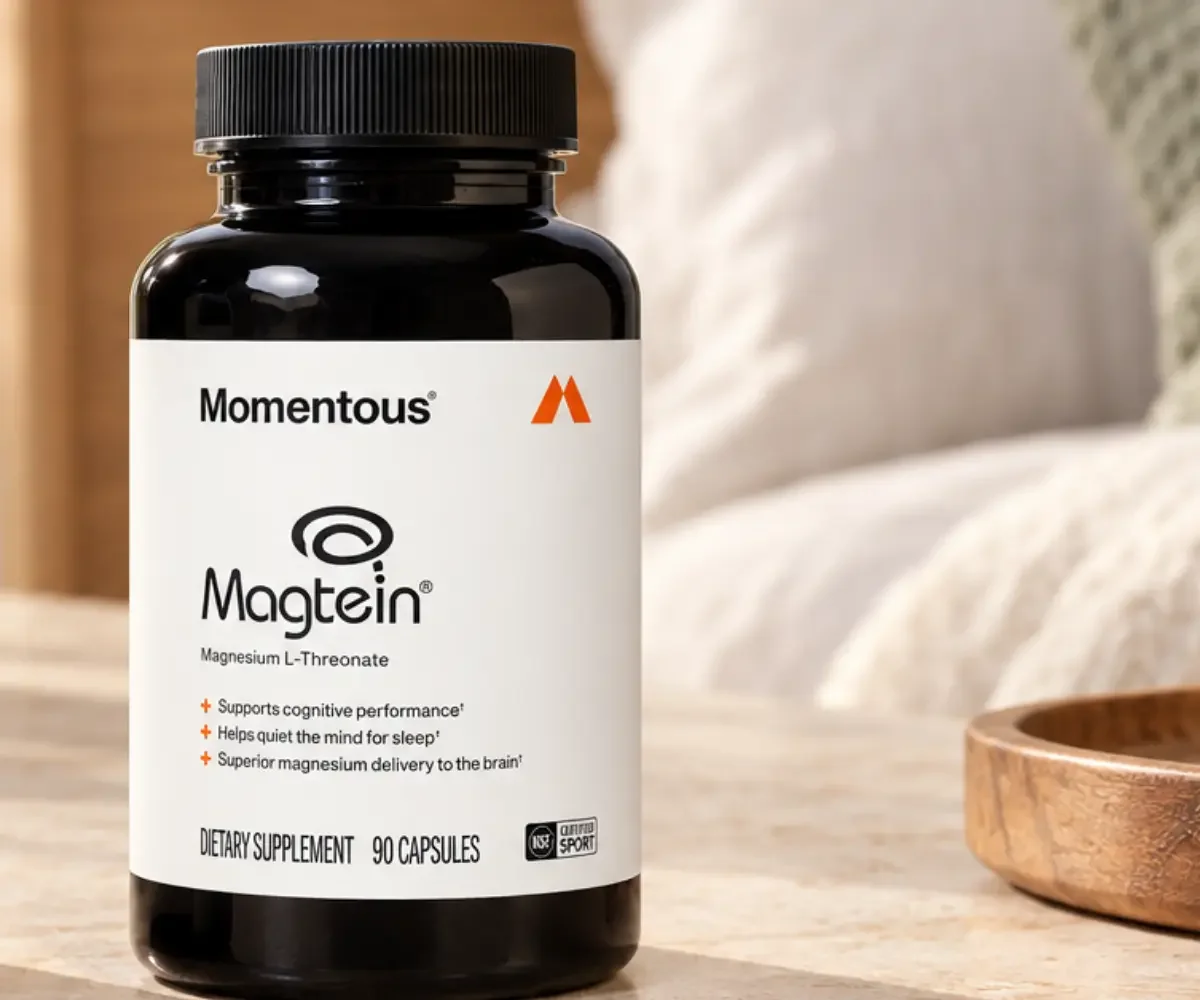
Magtein by Momentous
I added magnesium L-threonate to my evening routine to support relaxation and sleep.
I also tried a different form of magnesium and shared what I noticed in my Momentous Magnesium Bisglycinate review.
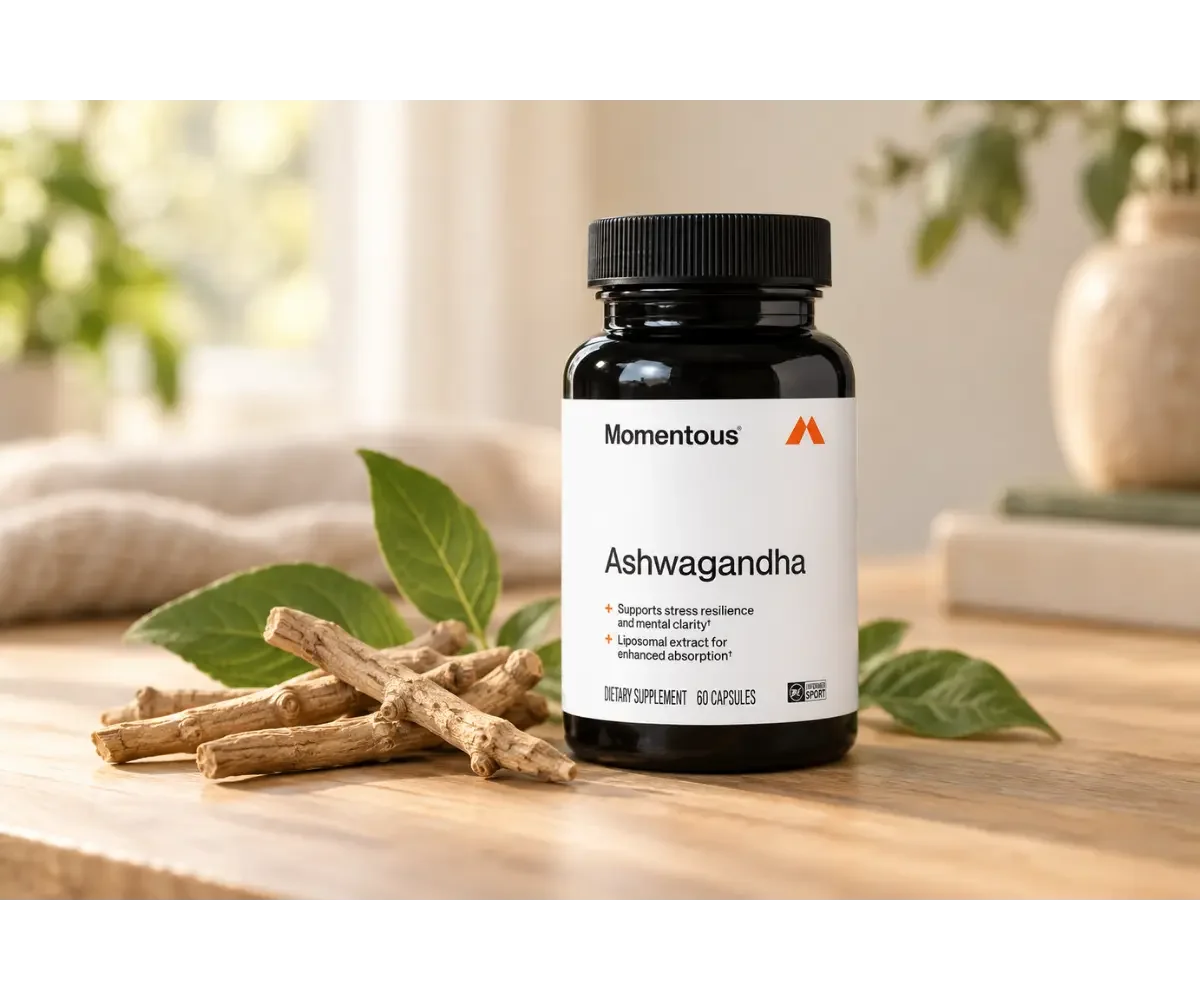
Ashwagandha
I like Ashwagandha by Momentous. It uses high-quality ingredients and third-party testing, which is something I always look for before recommending any supplement.
Affiliate note: This article contains affiliate links. If you purchase through them, I may earn a commission at no additional cost to you. Use code MARTRUTT at checkout.
For a closer look at other ingredients we researched, read my guide to seven supplements for type 2 diabetes and what the research actually says.
8. Breathing Exercises
When I feel tense, slowing my breathing gives me something immediate to focus on. Try inhaling gently through your nose and allowing the exhale to last slightly longer than the inhale. Even one or two quiet minutes can create a pause between the stressful moment and your reaction to it.

9. Get Natural Light Earlier in the Day
Morning light helps reinforce the body’s internal clock. When possible, step outside shortly after waking or spend a few minutes near a bright window.
Natural light during the day—and less bright light late at night—can support a healthier sleep-wake rhythm. Better sleep gives the body a stronger foundation for handling everyday stress.
10. Balance Intense Exercise With Recovery
Exercise can be one of the best tools for managing stress, but more is not always better. High-intensity workouts without enough rest can leave the body feeling depleted rather than restored.
I balance more demanding workouts with walking, lighter movement, adequate food, and recovery days. The goal is to challenge the body without making every workout feel like another emergency.
Frequently Asked Questions
Q. Can you lower cortisol naturally?
A. Healthy sleep, regular movement, balanced meals, relaxation, and less caffeine may support a healthier stress response. A medical cortisol disorder requires professional care.
Q. How quickly can I feel less stressed?
A. A walk or a few minutes of slow breathing may help you feel calmer right away. Longer-term changes usually require consistent habits.
Q. Does caffeine raise cortisol?
A. Caffeine can temporarily affect cortisol and alertness. If it leaves you anxious, wired, or unable to sleep, reduce the amount or avoid it later in the day.
Q. Can supplements lower cortisol?
A. Some research suggests Ashwagandha may support stress management, but evidence varies. Magnesium may support sleep or relaxation, especially when intake is low. Ask a healthcare professional before taking either one.
Q. When should I speak with a doctor?
A. Seek medical guidance if symptoms persist or you develop unusual weight gain, easy bruising, purple stretch marks, muscle weakness, high blood pressure, or elevated blood sugar.
Explore more in Wellness
If you’re working on lowering cortisol, stabilizing blood sugar, or just feeling better day to day—this is what I share every week.
Join the newsletter for practical, real-life strategies you can actually follow.
Get The Latest
Disclaimer: I’m not a doctor. Just a woman who burned out, rebuilt, and found her rhythm again. Everything here is experience, not prescription. If you’re struggling, talk to someone with a stethoscope and credentials — your peace is worth professional care.
