
Food Shortage Side Hustle: Grow, Ferment & Sell Food from Your Backyard
This post may contain affiliate links. If you choose to purchase through them, I may earn a small commission at no extra cost to you.

Industrial food is collapsing. Supply chains break, prices skyrocket, shelves empty. But your backyard? That can become your new revenue stream.
I can't figure out how we got convinced that growing grass in our backyards was the right way to live. Grass is expensive, requires constant water, and demands pricey maintenance. Why? When we could all grow effective food instead—it's a question that still hammers my brain.
In this post, I’m sharing a simple three-part food shortage side hustle model that can help you feed your family and create extra income from small-space growing, fermentation, and local selling.
The world won’t be the same after these past months. Transport shutdowns, border closures, empty warehouses, and rising food costs have made one thing painfully clear: depending entirely on industrial food systems is risky.
Some smart homesteaders have been fermenting and selling locally for years—kraut at farmers’ markets, kimchi through Facebook groups, turning a few dollars’ worth of vegetables into a meaningful side income. But now, this isn’t just a hobby. It’s survival with extra income.
Deindustrialization is pushing many of us to think differently. The answer may be simpler than we expected: grow it, preserve it, sell the surplus locally. Women are especially well-suited to lead this movement, because trust, consistency, and community matter just as much as production. Your small backyard can become both pantry and paycheck.
Why a Backyard Food Business Makes Sense Now
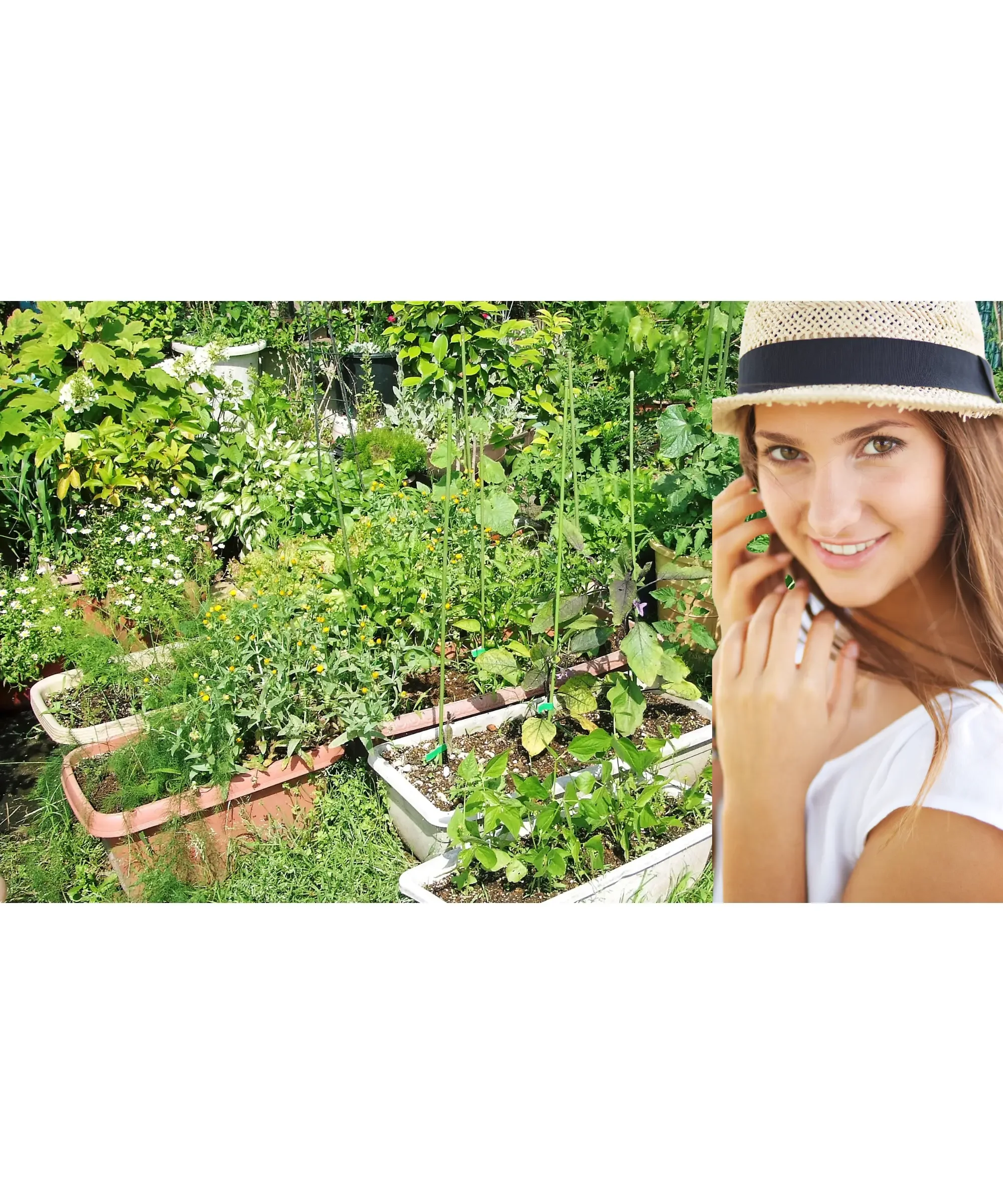
A backyard food business doesn’t require acres, big equipment, or a commercial farm. It starts with a corner, a few trays, and the willingness to learn a repeatable process.
The beauty of this model is that it works in stages:
You grow high-value food in small spaces.
You preserve part of it through fermentation.
You sell fresh and preserved products locally.
That means you’re not relying on a single income stream. You’re creating a flexible, resilient home food production income system that can adapt to changing conditions.
Why this matters for women
This model fits our life beautifully. You may not want a massive business with employees and overhead. You may want something quieter, steadier, and more practical. Something that gives you:
Extra income,
A stronger pantry.
A sense of readiness.
That’s exactly what a food shortage side hustle can do.
Step 1: Grow Crisis-Proof, High-Dollar Crops in Small Spaces
You do not need acres of land. You need a corner, a balcony, a patio, or even about 10 square feet with decent sunlight.
The smartest crops for this kind of grow your own food 2026 strategy are the ones that grow fast, sell well, and don’t require a lot of space..
Microgreens: the luxury salad crop
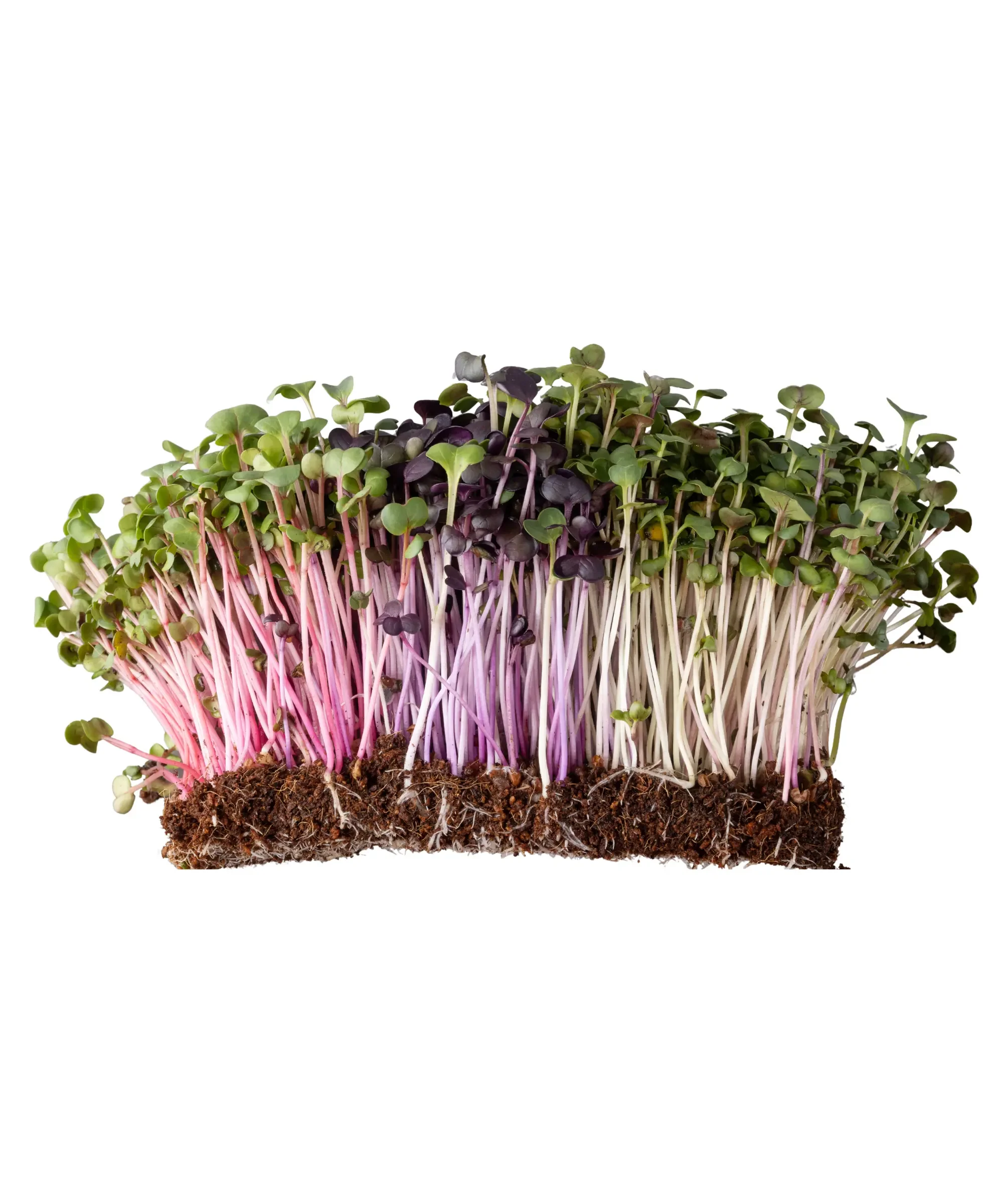
Microgreens are tiny, but they sell beautifully.
They are ready in about 10 days, can be harvested with scissors, and are often sold at premium prices because they look fresh, taste bright, and feel special. You can sell them cut and packed, or even sell them alive in trays.
Why microgreens work so well:
Fast turnaround.
High value per square foot.
Easy to harvest.
Beautiful at market tables.
Great for both families and restaurants.
A single 10x20 tray can produce a surprising amount of product over time. If you start with a few trays and keep planting in rotation, you can create a steady flow of greens.
Perennial herbs: the repeat harvest crop
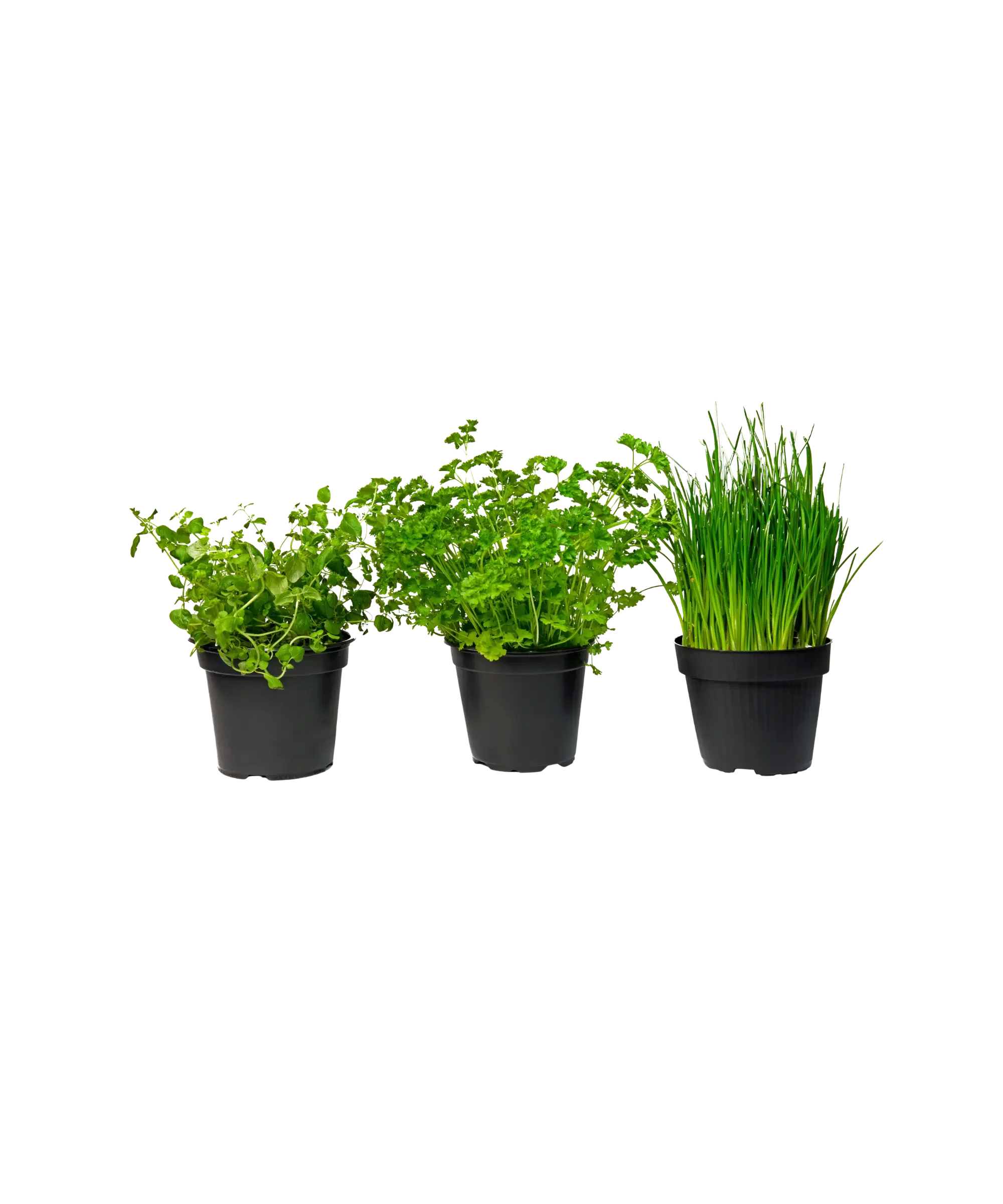
Mint, oregano, and chives are beautiful because you plant them once and keep harvesting.
These herbs are ideal for a backyard food business because they:
regrow again and again,
don’t need constant replanting,
and can be bundled fresh for local buyers.
People love fresh herbs, especially when the grocery store versions look tired and wilted by the time they get home. A small bunch of fresh herbs feels useful, fragrant, and special.
Garlic greens and nasturtium flowers: the beauty crops

Garlic greens and nasturtium flowers add something different. They’re practical, but they’re also pretty.
Garlic greens are useful, flavorful, and easy to sell as a gourmet ingredient. Nasturtium flowers are edible and colorful, which makes them perfect for salads, trays, and chefs who want something visually striking.
Why these matter:
They add variety.
They can be harvested regularly.
They stand out at markets.
They look like “small luxury” food.
That matters more than people realize. In a crisis economy, beauty still sells.
A simple starting setup
If you wanted to start tomorrow, here’s what you’d need:
4 trays.
Seeds.
Water.
Sunlight.
That’s enough to begin. Plant thick, water consistently, and wait for the first harvest. With a small system like this, you could eventually produce 5–10 pounds per week from a tiny growing area.
That kind of yield can translate into real money, especially if you combine fresh sales with fermentation.
If you want a simple way to begin, start with one crop first. Pick microgreens, herbs, or garlic greens and learn how they grow before adding more.
Before you buy trays or seeds, run your crops through my 3 Simple Filters for Beginners from 'How to Choose a Product to Sell.' I used those exact questions to validate microgreens + fermentation before spending $184—and they work every time for food shortage side hustles.
Step 2: Sell Microgreens Alive or Cut
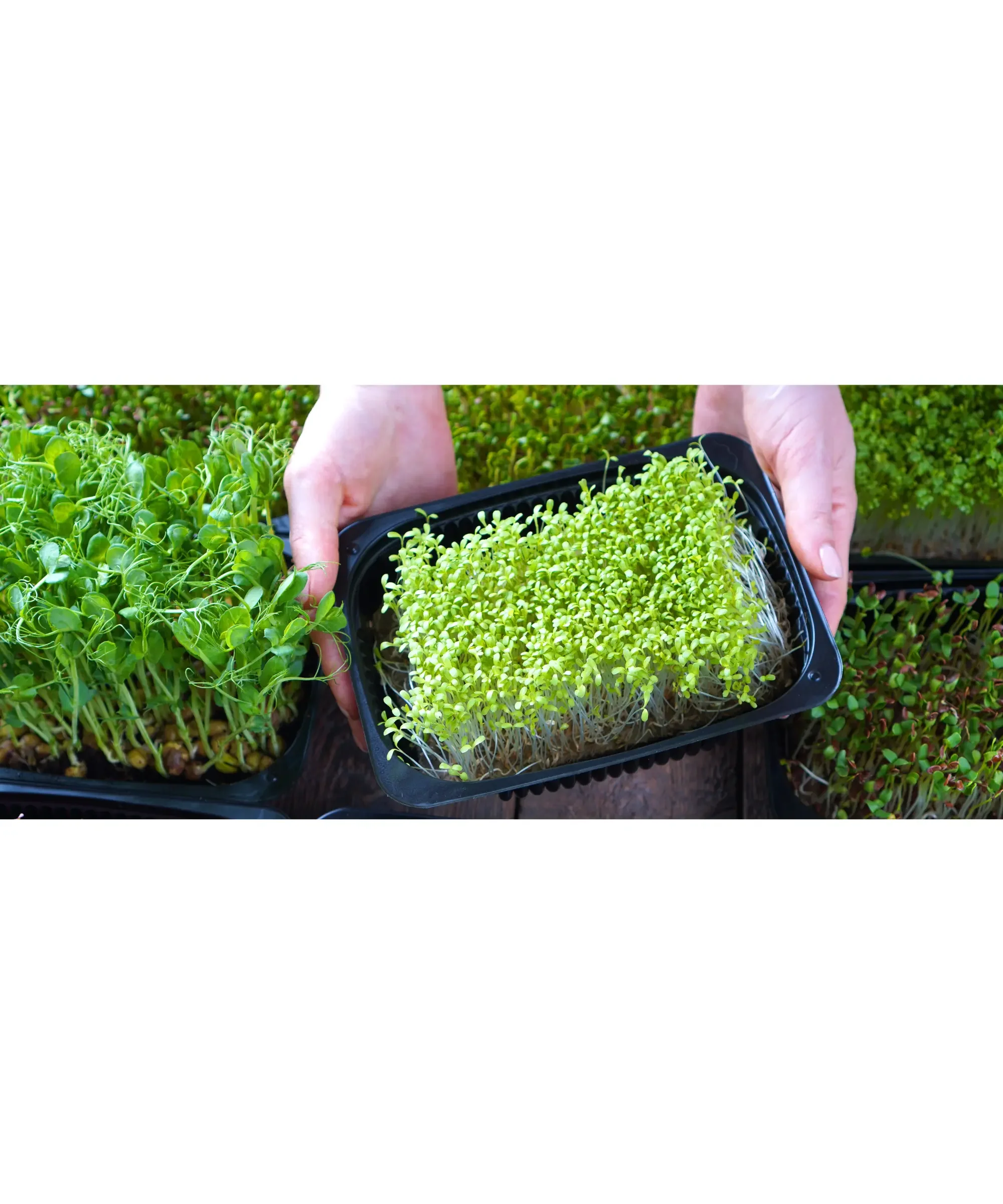
Microgreens are one of the most flexible products in a home food production income model because you can sell them in two different ways.
Sell them alive for premium value
Selling microgreens alive means customers take home a whole tray. They cut what they need and keep the rest fresh.
This works especially well because:
It reduces waste.
It looks impressive on a market table.
It gives buyers more control.
It also solves a real problem: live trays don’t need immediate refrigeration the way cut greens do. That makes them especially useful in a world where power outages or supply disruptions can happen.
A simple sales line works well here:
“Take it home alive—cut fresh all week.”
That’s easy to understand, and it immediately communicates value.
Grab my affiliate trays and coir mats here—10 trays + Coco Coir Grow Mats—the exact setup that got my 10 sq ft pumping Week 1.
Sell cut microgreens for convenience
Some people don’t want to cut their own greens. They want something ready now.
That’s where cut microgreens come in. These should be washed, packed, and kept cold. They’re ideal for busy families, people grabbing groceries on the go, and anyone who wants the convenience of ready-to-eat food.
Cut microgreens generally need refrigeration and only have a limited shelf life, so they’re best sold in smaller quantities and moved quickly.
The pitch is simple:
“Ready for your salad. Just keep it cold.”
Check microgreens clamshell here
Why offering both works
You do not have to choose one approach forever. You can offer both and see what your customers prefer.
The tray buyer wants freshness and less waste.
The cut buyer wants convenience.
That means you’re serving two types of people with one crop. That’s smart business.
Start small by testing both formats. Watch what sells first, then adjust your growing and packing around demand.
No backyard? No problem—grow microgreens indoors.
If you only have a small bedroom (or apartment corner), turn it into your food shortage side hustle HQ. You just need grow lights that mimic sunlight + simple shelving. Stack 4-6 trays vertically = same 10 sq ft yield.
Step 3: Ferment the Extra Food Into Shelf-Stable Income
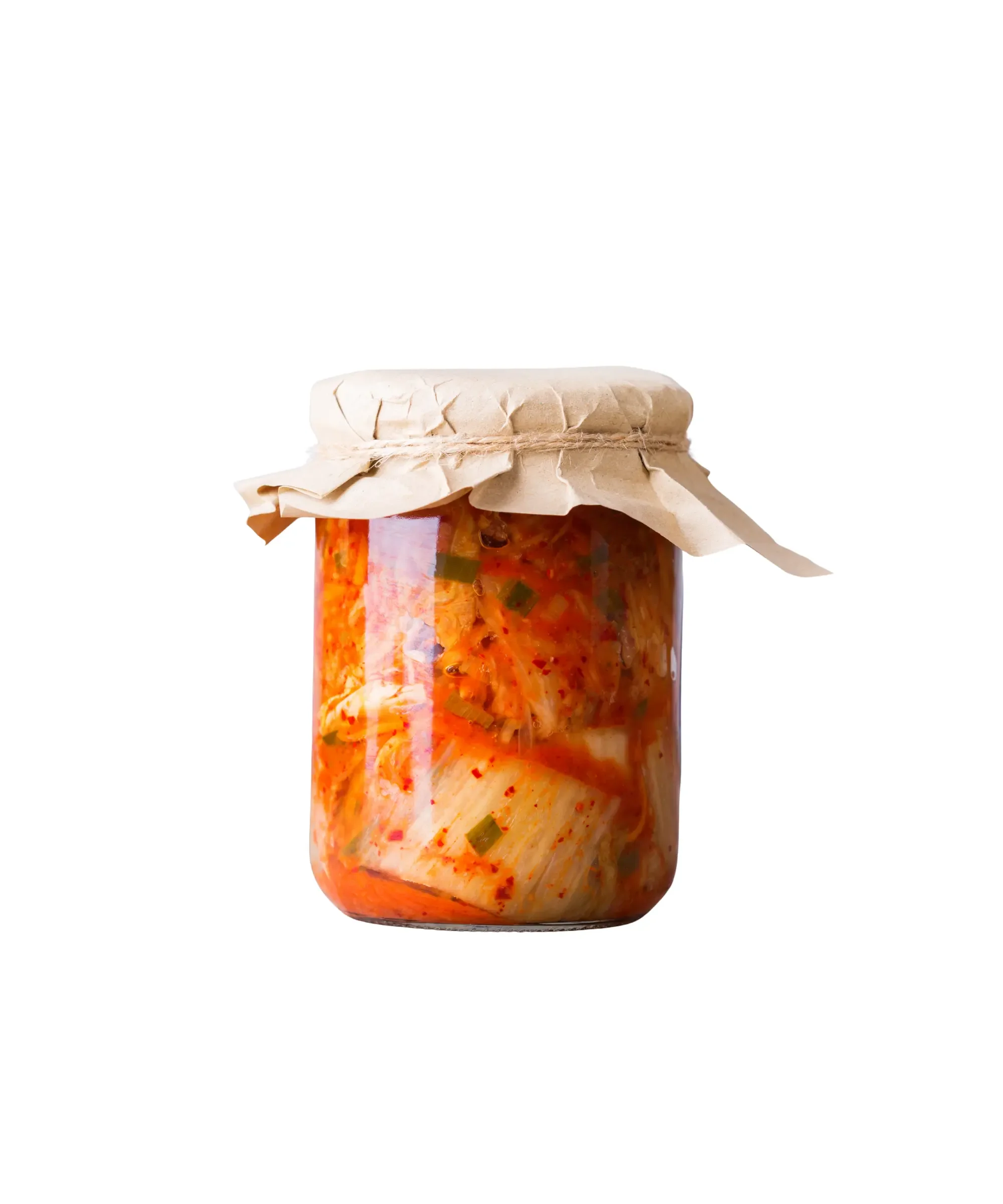
This is where the model becomes more resilient.
If you grow more than you can sell fresh, don’t throw it away. Preserve it.
Fermentation turns surplus into something valuable, shelf-stable, and useful. It’s one of the most practical tools in a food shortage side hustle because it extends the life of your harvest and gives you a second product to sell.
What fermentation does
Fermentation uses salt and time to preserve vegetables naturally. Instead of relying on vinegar or heavy processing, you let beneficial bacteria do the work.
That means you can turn extra greens and herbs into:
fermented vegetables,
kraut,
kimchi-style jars,
and other small-batch goods.
These products are attractive because they feel artisanal, useful, and healthy.
Why fermented foods sell well
People buy fermented foods because they want:
Gut-friendly foods.
Shelf-stable pantry items.
They feel homemade and intentional.
Fermented jars also look beautiful. That matters. People often buy with their eyes first.
Get the exact pack wide-mouth quart mason jars I use—perfect size for 2 lbs greens per jar gets you two months of fermentation sales.
A simple business advantage
Fresh greens are perishable. Fermented jars last much longer.
That means you can:
Reduce waste.
Create a second income stream.
Keep earning even when fresh sales slow down.
That’s the heart of a resilient backyard food business.
Don’t let excess food go to waste. Set aside the extra harvest for fermentation and turn it into a product you can sell later.
Where to Sell Your Food Shortage Side Hustle
You do not need a huge audience to make this work. You need trust.
The best places to sell are close to home, where people already know you or are only one conversation away from buying from you.
Local Facebook groups
Local Facebook groups are one of the easiest places to start. Keep your post simple and human.
For example:
“Hey neighbors, I’ve been growing fresh microgreens and making small batches of fermented vegetables from home. I have a few available this week if anyone wants to try them.”
That kind of post works because it feels real. No pressure. No hard sell. Just a simple offer.
Church bulletins and community boards
These are underrated. People still pay attention to local bulletin boards, especially when they trust the source.
A small flyer with a short message can go a long way:
fresh microgreens,
small-batch fermented vegetables,
local pickup,
limited availability.
School pickup lines & everyday conversation
One of the most powerful ways to sell is simply to talk about what you’re doing.
You do not need a giant launch. You need one honest sentence:
“I’ve been growing fresh greens at home and making jars too.”
That kind of conversation often leads to questions, and questions lead to sales.
Farmers markets
Farmers markets are a great weekend amplifier. They’re not necessarily your only strategy, but they can help you build momentum.
Bring:
a few live trays,
a few jars,
and samples if allowed.
Let people taste. That often does more than a long explanation ever could. Choose one selling channel this week and start there. You only need a few buyers to prove the concept.
This folding market table fits trays + 24 jars perfectly—sets up in 30 seconds for Saturday farmers markets, my $400/day secret weapon.
How to Price Your Products
Pricing should be simple at first.
Microgreens
Live trays: premium pricing.
Cut microgreens: smaller packaged pricing.
Herbs
Bundle pricing works well.
Fresh herbs are often an easy impulse buy.
Fermented jars
Price based on size, ingredients, and market demand.
Jars should feel affordable enough to try, but valuable enough to support your time.
The goal is not perfection. The goal is to see what people actually buy.
What Makes This Model Different
This is not just a garden or a hobby. This is a practical response to changing times.
A food shortage side hustle gives you:
Food security.
Extra income.
Skills that compound.
A solid sense of control.
It also keeps your options open. If fresh sales slow down, fermentation can help. If market traffic dips, local pickup can help. If one crop fails, another can fill the gap.
That flexibility is powerful.
This food shortage side hustle works even if you have zero startup cash. I break down the exact free/near-free alternatives in my post 'What a Woman With No Money Really Needs to Start a Business'—the library seed exchange, mason jars you already own, neighborhood bartering that got me my first $47 sale.
👉Explore more in Business
Final Thoughts
The future may ask us to think more locally, more simply, and more resourcefully. That doesn’t mean shrinking your life. It means building something sturdy enough to support it.
A backyard food business is not just about making money. It’s about becoming more capable. More adaptable. More prepared.
If you start small, keep it clean, and stay consistent, you may be surprised by how quickly a few trays, a few jars, and a few local customers can turn into something real.
Ready to Start Your Food Shortage Side Hustle?
Don't wait for empty shelves.
Join my Midlife Accent newsletter. I will share weekly crop schedules, recipes that sell out, market scripts that double sales.
👇 Subscribe now.
1,247 midlife women already growing through chaos. Your backyard's waiting.
Grow food. Make money. Be ready.
Disclaimer: Some links in this piece are affiliate links. If you choose to purchase through them, I may receive a small commission—never at an added cost to you. I only recommend what I’ve personally tried, researched deeply, or would confidently suggest to a woman I respect. Supporting this work helps keep Midlife Accent thoughtful, independent, and ad-free. Thank you for being part of this space.
Disclaimer: This article is for informational and educational purposes only and should not be considered legal, financial, tax, or business advice. Every business journey is different, and laws, regulations, and financial circumstances vary by location. Before starting a business or making important financial decisions, consult a qualified professional who can advise you based on your individual situation.
