
Compression Leggings vs. Socks: What’s the Difference?
Elastique gifted me the clothing featured in my original review. This post may contain affiliate links. If you buy through them, I may earn a commission at no extra cost to you.
I love wearing leggings. I’ve worn them since I could choose what I wanted to wear. However, after 40, something changed. Long hours standing while working at the mall took a toll on my legs. So, back then, I started wearing compression socks under my jeans. Florida’s weather didn’t make wearing them easy. They did the job, but I usually wore them only occasionally.
I left Florida and moved to the Great Plains of North Dakota. Even though I no longer work standing for hours, my legs were still having some issues, so I gave Elastique a try. If you’re comparing compression leggings vs. compression socks, here’s what I learned from wearing both—and how they differ from regular leggings.
In This Article:
What are Regular Leggings?
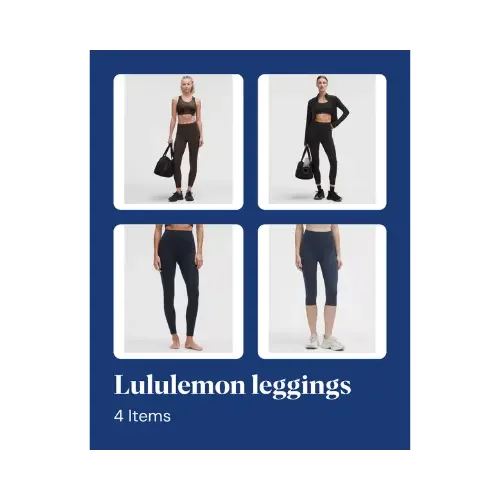
Leggings are stretchy pants that fit close to your body. You can wear them at any age, whether for a walk, working out, or staying home. Leggings are super practical and versatile. Some of them roll down at the waist. Others can be warm for the weather. Although they may feel tight, regular leggings don’t necessarily provide the compression you need for swelling or circulation problems.
What are Compression Socks?
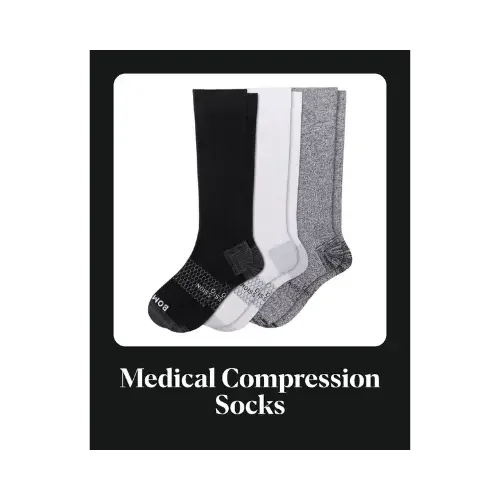
Compression socks are made to put pressure on your legs. Graduated compression socks are tighter around the ankles, and the pressure eases farther up the leg. People of different ages wear them, often because they spend long hours standing or sitting, or because a doctor recommends them for swelling or vein problems.
You can wear compression socks under jeans or other pants. They’re made from a blend of nylon and elastane, although some of them include cotton or other fibers. They come in different sizes and pressure levels.
Check with your healthcare provider about the right compression level for you.
What are Elastique Leggings?
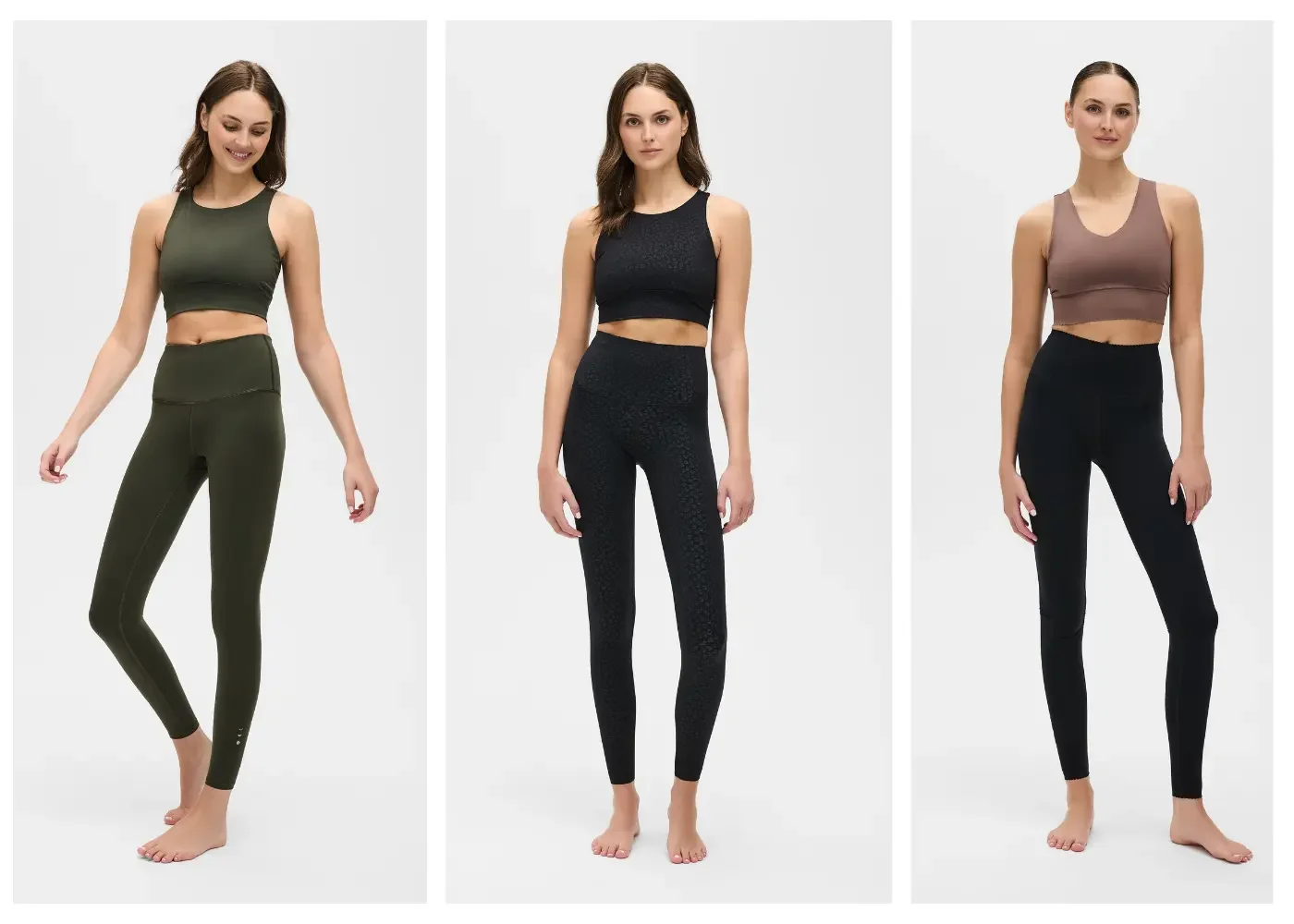
I would describe Elastique leggings as somewhere between regular leggings and compression socks. They look like leggings you can wear on their own, but with graduated compression.
If you want to know how they felt when I first tried them, read my one-week Elastique leggings review.
Elastique vs. Regular Leggings and Compression Socks: What’s Different?
Fabric
Elastique fabric feels completely different from regular leggings and compression socks. Elastique uses fabric sourced in France, made from 57% polyamide and 43% elastane. It’s OEKO-TEX certified and rated UPF 50+ for sun protection.
I’ve washed mine daily and worn them daily for over two months. I’ve worn them in cold and hot weather. Humid and dry weather, and still the fabric feels fresh and in excellent condition. Genius technology behind Elastique fabrics.
I’ve actually become addicted to wearing them. Once, I even wore my black Elastique leggings under white pants. I don’t know how, but my pants still looked white, and you couldn’t even see the black leggings underneath.
Elastique leggings have MicroPerle beads inside the fabric, around the thighs and lower glutes. The brand designed them to create a gentle massage effect as you move. I can feel them when I wear my Elastique leggings, and they are quite enjoyable.
Compression
Elastique lists its L’Original leggings at 10–18 mmHg of graduated compression, while compression socks come in several pressure levels, including 8–15, 15–20, 20–30, and 30–40 mmHg.
That being said, Elastique overlaps the lighter ranges, but it provides less pressure than the firmer options.
The leggings also cover the thighs and hips, while knee-high socks cover the feet and calves. That matters when deciding where you need support.
On your phone, swipe across the table to see all three options.
| What to compare | Regular leggings | Compression socks | Elastique L’Original |
|---|---|---|---|
| Fabric | Varies by brand. Often cotton, polyester, or nylon blended with elastane. Thickness and breathability depend on the pair. | Often nylon and elastane. Some include cotton, wool, or other fibers. Warmth and texture vary. | 57% polyamide and 43% elastane. French-sourced, OEKO-TEX-certified fabric with UPF 50+ protection, according to the brand. MicroPerle beads sit inside the fabric around the thighs and lower glutes. |
| Compression | Usually no stated graduated compression rating. A snug fit alone does not mean measured compression. | Common ranges include 8–15, 15–20, 20–30, and 30–40 mmHg. Graduated compression is strongest near the ankle and eases farther up the leg. | Currently listed at 10–18 mmHg of graduated compression. The beads are designed to create a gentle massage effect as you move. |
| Practicality | Worn for exercise, errands, or relaxing. Pockets, waistband comfort, and length vary. | Can be worn under pants or with exposed legs. Knee-high styles cover the feet and calves. Correct sizing matters, and firmer pairs may take more effort to put on. | Can be worn on their own or under pants. Covers the thighs and hips; standard styles leave the feet uncovered. The brand recommends a cold delicate wash and hang drying. |
| Age usage | Worn by people of all ages. Choose the right size, fabric, and fit. | Not just for older adults. The reason for wearing compression and the appropriate pressure matter more than age. Children need suitable products and professional guidance. | Marketed to adults. Turning 40 does not automatically mean you need compression. Fit, comfort, and individual needs should guide your choice. |
This comparison refers to ordinary leggings without a stated compression rating, graduated compression socks, and Elastique L’Original. Similar pressure ranges do not make them interchangeable. If compression has been prescribed, check with your clinician before switching products.
Product details checked October 13, 2026. Sources: Elastique , Sigvaris , and Cleveland Clinic .
FAQs
Are regular leggings the same as compression leggings?
No. A snug fit alone doesn’t mean they provide measured, graduated compression.
How much compression do Elastique leggings provide?
Elastique currently lists its L’Original leggings at 10–18 mmHg.
Can Elastique replace prescribed compression socks?
Check with your healthcare provider first. The pressure and coverage may differ.
Do Elastique leggings leave marks?
Mine leave small bead marks that usually disappear after I shower.
Can you wear Elastique under pants?
Yes. I’ve worn mine under pants, including a white pair.
Conclusion
When I look back at those eight-hour shifts on my feet, I wish I’d had Elastique back then. I think the fabric and level of compression would have made a difference in how my legs felt. After 40, I started experiencing some leg issues again. For the light support I wanted, Elastique has become my choice over my light compression socks or regular leggings.
Elastique gifted me the clothing featured in this post. Some links are affiliate links, which means I may earn a commission at no extra cost to you. I’m sharing my personal experience, not medical advice. If you have leg pain, swelling, or circulation concerns, ask your healthcare provider which type and level of compression are right for you.
