
Business Ideas That Actually Fit Your Budget, Skills & Real Life

Every year, we’re told there’s one best business to start. Dropshipping. AI. Courses. Printables. Something that sounds fast, shiny, and oddly exhausting before you even begin.
Here’s the truth I’ve learned—slowly, the honest way: There is no universal “best” business. There is only one business that fits you. Your budget, skills, energy, and actual life.
If you’re starting from zero, this guide on how to start a business with no money will help you build traction before you overthink anything. Let’s find your Business idea.
What Are the Best Business Ideas?
The best business ideas for 2026 aren’t about trends — they’re about structure. The right idea fits your budget, skills, time, and energy. In 2026, sustainable business models outperform fast hype.
Four Things That Matter More Than Any Idea
Before we talk about business ideas, pause for a moment. Every business—online or physical—depends on four things:
Budget – Money you can invest without stress.
Skills – What you already know (or can learn quickly).
Time – Focused hours you can give consistently.
Energy – Creative, analytical, social, or quiet builder.
Once you’re honest about these, the right business becomes obvious.
Low-Budget Business Ideas ($0–$200)
The smartest entrepreneurs aren’t chasing trends. They’re choosing structures that feel sustainable. Best for beginners, creatives, and fresh starts. See 5 Low-Cost Online Business Ideas for Beginners.
Digital Products
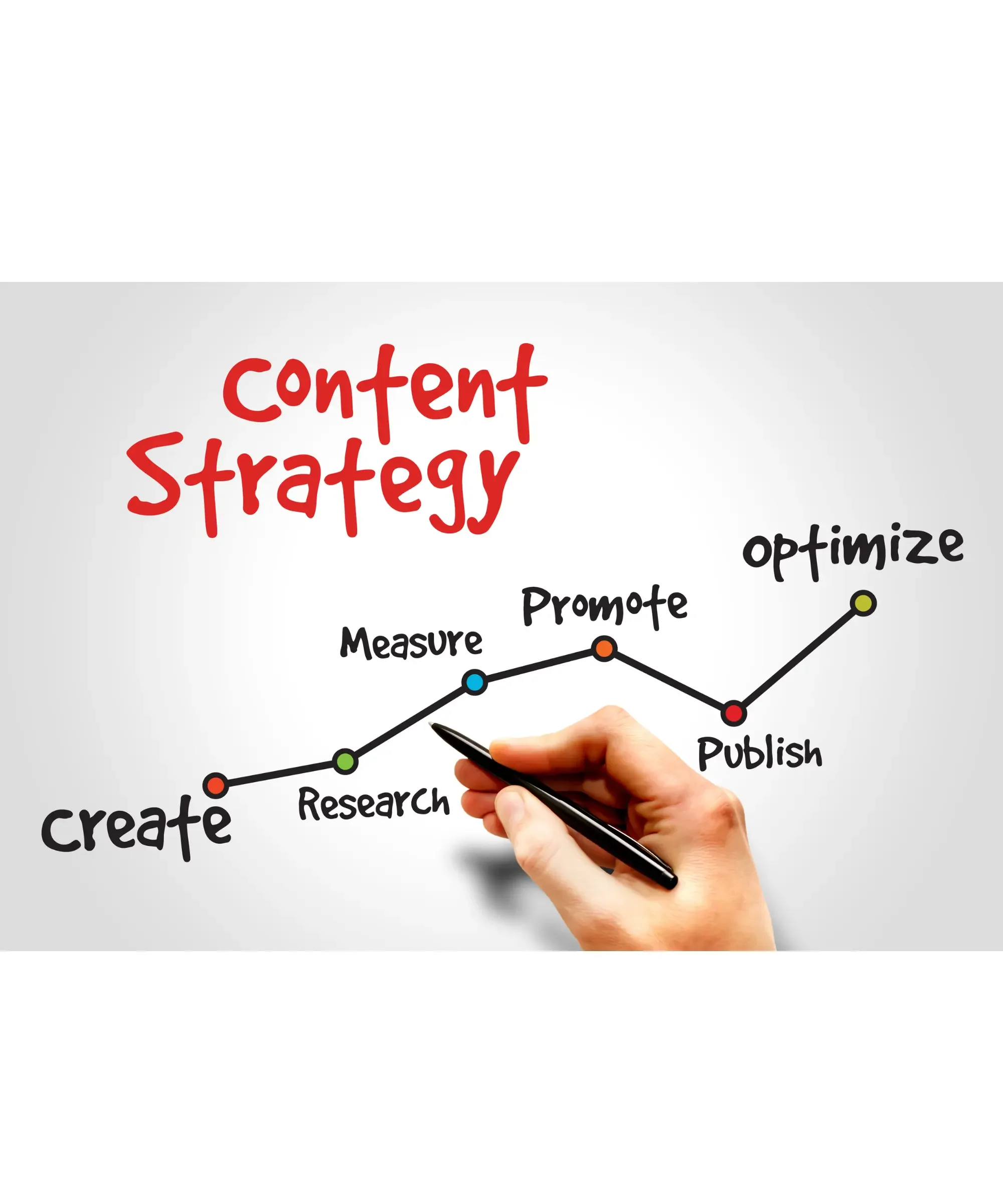
If you have basic Canva skills—or are willing to learn—this is one of the easiest and smartest places to start.
You can create:
Planners and journals
Trackers and templates
Business tools
Wellness or habit systems
Check My 7-Step Digital Product Launch Plan.
Why it works:
No inventory
No shipping
No customer service chaos
Infinite scalability
This is quiet money. Slow at first. Solid over time.
Blogging + Digital Products
A blog isn’t just content — it’s the foundation of your online business. If you want to blog seriously, learning to build your own website is a smart first step.

If you enjoy writing or teaching, blogging works—when done with intention.
People build income through:
Affiliate links
Ebooks
Templates and downloads
The key is not volume. It’s clarity and consistency. See From Side Hustle to CEO: How to Build an Online Business at Home.
Not sure how to turn an idea into something sellable? Here’s how to choose what to sell before you design anything.
Faceless Content Channels
You don’t need to be on camera to build an audience. Slides, visuals, voiceovers, or written content paired with images can all be monetized through:
Digital products
Affiliates
Memberships
Perfect for people who prefer structure over spotlight.
Mid-Budget Business Ideas ($200–$2,000)
Best for skill-stackers and steady builders
Online Courses & Workshops
If people already ask you for advice, this is worth exploring.
Courses work well in:
AI for beginners
Career reinvention
Wellness systems
Business basics
Freelancing / Micro-Agencies
If you have one solid skill—writing, design, organization, strategy—you can turn it into a service. AI allows solo entrepreneurs to deliver faster, better, and more affordably. Using AI to start a small business.
This is one of the quickest ways to generate income while building something larger.
If you’re curious whether AI tools can realistically generate income, read this breakdown on whether AI can actually help you make money.
Memberships & Subscriptions
If you like ongoing connection and structure, memberships offer stability.
Examples:
Business accountability groups
Writing or creativity circles
Wellness memberships
Smaller audience. Recurring income, and lower pressure.
Physical Product Business Ideas
Physical products are still very much alive—but they work best within the right structure, especially if you’re thinking about turning a digital business into a global brand.
Before committing to inventory, learn how to choose a physical product to sell strategically.
Print-on-Demand
If you already design digitally, this is a gentle entry into physical products.
You can sell:
Printed planners
Journals
Apparel
Totes, mugs, posters
No inventory. No storage. No upfront risk.
Hybrid Digital + Physical
This is one of the smartest models right now.
Examples:
Digital planner + printed version
Ebook + physical workbook
Course + shipped companion guide
Higher perceived value, fewer refunds, better margins.
Small-Batch Branded Products
For those who enjoy tangible things and branding.
Examples:
Notebooks
Wellness kits
Gift boxes
Educational sets
This requires more planning—but builds stronger brand loyalty.
Private Label
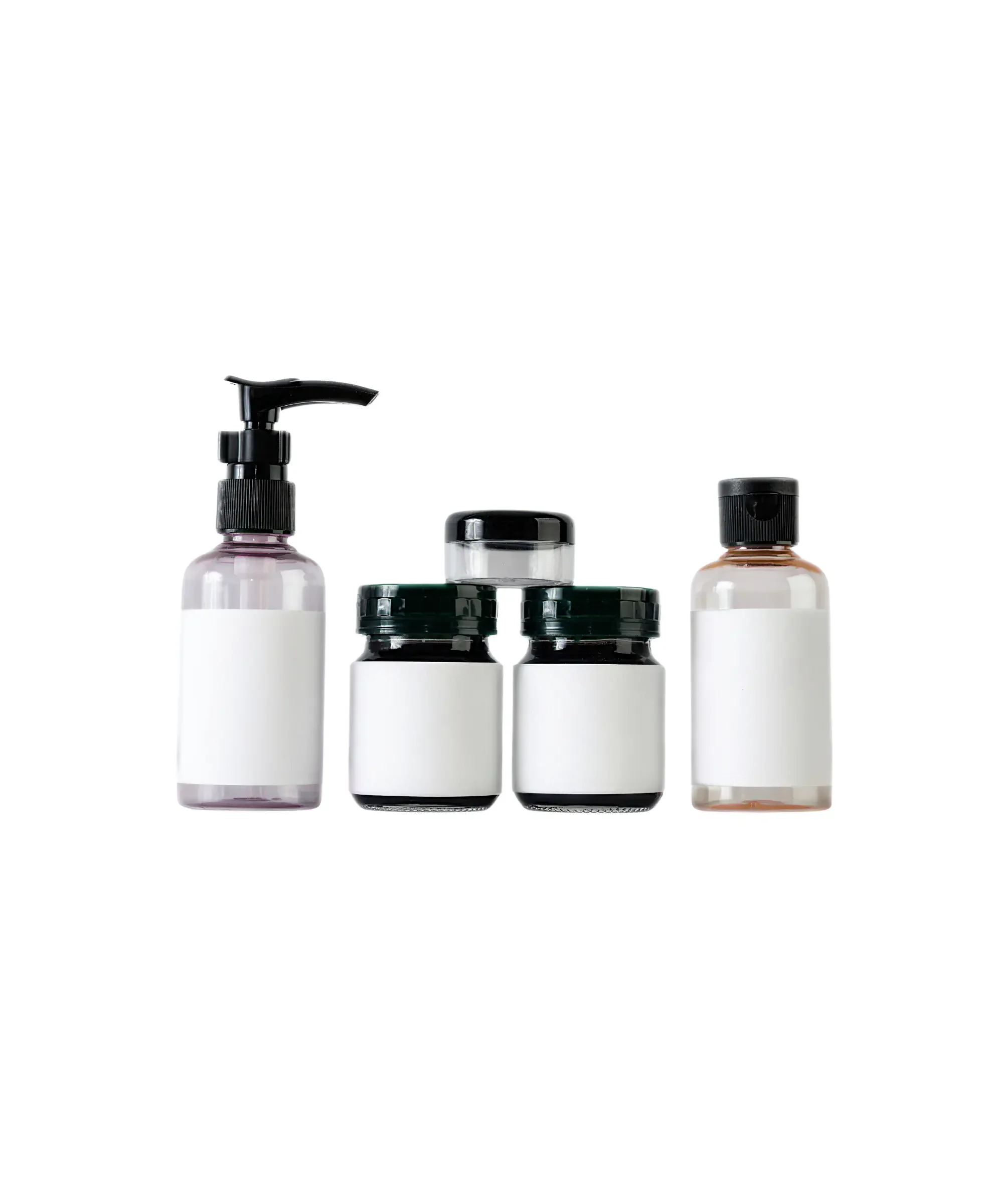
This is not a beginner shortcut, for product builders. A great business model. It works best for people who:
Understand margins
Test slowly
Think long-term
Good for consumables, organizers, or lifestyle products—when done carefully. Many beginners loose profit by overpaying — here’s why most beginners overpay for products and how sourcing changes the game.
Quick Comparison: Which Business Model Fits You?
Digital Products – Low cost, scalable, slower start.
Freelancing – Fast income, skill-based, limited scale.
Memberships – Recurring income, smaller audience.
Print-on-Demand – Low risk, branding-focused.
Private Label – Higher risk, high margin potential.
So… Which One Is “Best”?
The best business is the one that:
Fits your current life
Matches your energy
Doesn’t require constant self-betrayal
Digital businesses build speed and flexibility. Physical businesses build depth and brand. The smartest entrepreneurs often start digital first, then add physical later.
If you're still unsure which path fits you, start with this step-by-step guide on choosing the right business model for your situation.
If you want help choosing the right path, I’ve shared practical tools inside my free resource library. Subscribe.
FAQ: Best Business Ideas
What is the most profitable business to start?
Digital products, AI-enhanced services, and hybrid models combining digital + physical are showing strong margins.
What business can I start with little money?
Digital downloads, freelancing, blogging with affiliates, and print-on-demand require minimal upfront cost.
Are physical product businesses still worth it?
Yes — when approached strategically with sourcing, branding, and margin awareness.
Should I start digital or physical?
Start with digital for speed and lower risk. Add physical once demand is proven.
👉Explore more in Business
Final Thought
You don’t need the perfect idea.
You need:
A structure you can sustain.
A pace you can keep.
A business that grows with you—not against you.
Start where you are. Build what fits. Adjust as you learn.
Disclaimer: This article is for informational and educational purposes only and should not be considered legal, financial, tax, or business advice. Every business journey is different, and laws, regulations, and financial circumstances vary by location. Before starting a business or making important financial decisions, consult a qualified professional who can advise you based on your individual situation.
