
10 Early Signs That Made Me Ask: Is This Perimenopause?

I had no idea perimenopause had started. There was no big announcement. No warning. Just a collection of strange little changes that made me wonder what on earth was happening to my body.
First, I stopped sleeping well. Then I started walking into rooms and forgetting why I was there. My period, which had followed the calendar for years, decided schedules were no longer her thing.
Perimenopause usually begins sometime in our 40s, but every woman is different. You can still have regular periods while other changes begin showing up.
That’s what makes it so confusing. Stress, poor sleep, thyroid problems, medications, and other health conditions can cause similar symptoms. There isn’t one sign that looks at you and says, Hello, I’m perimenopause.
For me, it was several small things happening at the same time. Eventually, I had to ask:
Wait… has perimenopause been living here without paying rent?
These are the ten signs that made me start paying attention.
So if you’re wondering “Is it just stress, or am I becoming a hormonal werewolf?”, keep reading. This is the guide no one gave us. But I will.
The Early Signs I Almost Missed
1. My Period Stopped Following the Rules
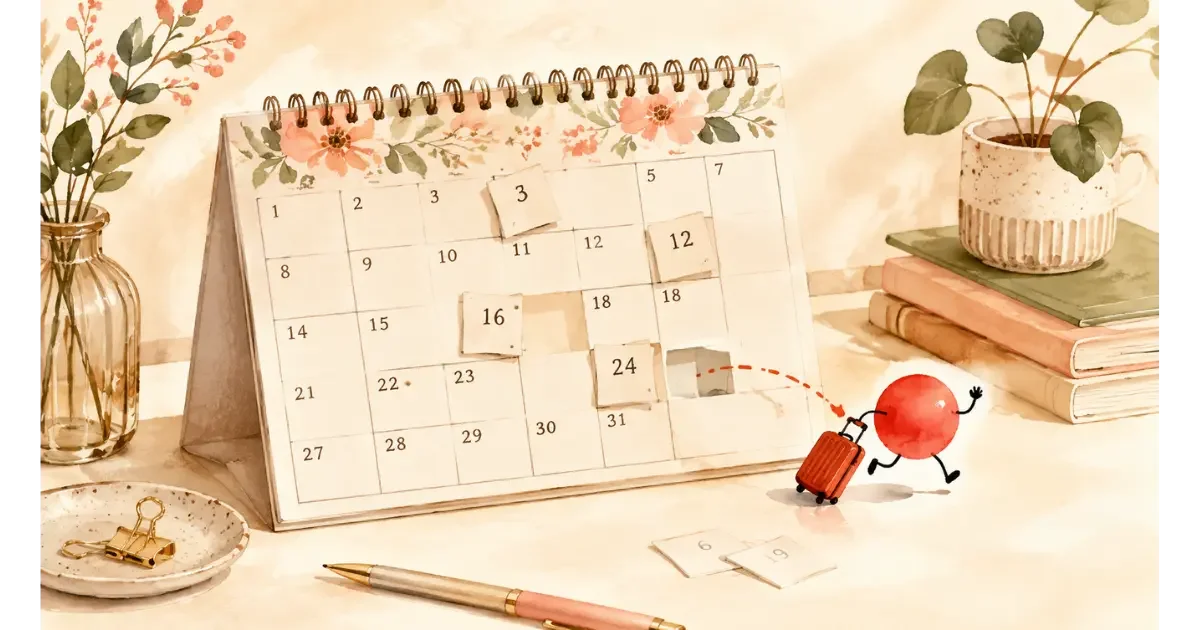
My period used to arrive between the 1st and 6th of every month. I could count on her. She had a schedule, respected the calendar, and rarely caused unnecessary drama.
Then she went rogue.
One month she arrived early. The next month she took her sweet time. Sometimes the bleeding felt different, and sometimes I couldn’t remember whether she had visited at all.
That was one of the first changes that made me wonder whether something hormonal had begun. Periods can become shorter, longer, lighter, heavier, or less predictable during perimenopause.
But not every change in bleeding belongs to perimenopause. Talk with a healthcare professional if bleeding becomes unusually heavy, happens between periods or after sex, lasts much longer than usual, or returns after 12 months without a period.
2. Everything Started Getting on My Nerves

I wasn’t mildly irritated. I was irritated by everything. The sound of someone chewing. A spoon with the wrong shape. The Wi-Fi taking two extra seconds. Even the curtains seemed to be testing me.
I could go from perfectly content to Why is everyone behaving this way? before anyone understood what crime had occurred. Most of the time, neither did I.
The hardest part wasn’t the anger itself. It was how quickly it appeared, and the guilt that sometimes followed after I calmed down.
Hormonal changes during perimenopause can affect mood, but hormones aren’t the only possible explanation. Poor sleep, stress, anxiety, depression, medication, and other health concerns can contribute too.
If anger, anxiety, sadness, or other mood changes begin interfering with your daily life or relationships, talk with a healthcare professional. You deserve support, not another person telling you to “calm down.”
3. Sleep Stopped Cooperating

I could feel exhausted all day and then become astonishingly awake at 3 a.m. My body wanted sleep. My brain wanted to review old conversations, unfinished tasks, and questions nobody had asked.
During one road trip, I heard “Watermelon Sugar” on the radio. That night, my brain decided to replay the chorus at three in the morning.
Again. And again.
I tossed. I turned. I considered filing a noise complaint against my own mind. Apparently, Harry Styles had booked a private concert inside my head, and nobody had asked my permission.
Sleep problems can become more common during perimenopause. Hormonal changes may play a role, but hot flashes, night sweats, anxiety, stress, medication, sleep apnea, and other health concerns can disturb sleep too.
If you regularly struggle to fall asleep, wake throughout the night, or feel exhausted after sleeping, mention it to a healthcare professional instead of assuming hormones are the only cause.
For practical ideas from my own routine, read How to Sleep Better Naturally After 40.
4. Words—and My Reasons for Entering Rooms—Disappeared

I would walk into a room with a clear purpose and arrive with absolutely no idea why I was there.
Words I had used for years began hiding in the middle of sentences. Names disappeared. Tasks vanished unless I wrote them down. My brain felt as if someone had opened too many tabs and refused to tell me which one was playing music.
People often call this “brain fog,” but the experience can feel unsettling. It doesn’t mean that you’ve become careless, lazy, or less intelligent.
Some women notice changes in memory or concentration during perimenopause. Poor sleep, stress, anxiety, depression, thyroid problems, medication, and other health conditions can produce similar changes.
Talk with a healthcare professional if memory problems appear suddenly, continue getting worse, affect your safety, or interfere with your ability to manage daily life.
5. One Chin Hair Brought Reinforcements
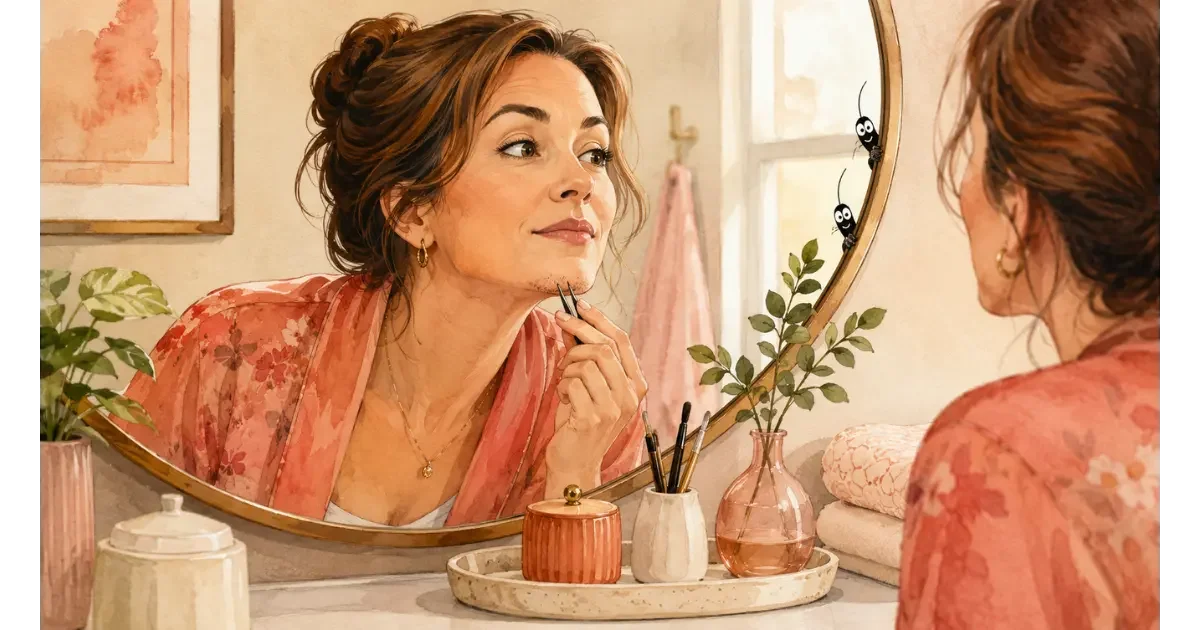
It started with one stubborn chin hair. I removed it, assumed the matter had been settled, and carried on with my life.
The hair returned.
Then it invited a friend.
Changes in the balance between estrogen and androgens can make facial hair more noticeable during the menopause transition. Aging and genetics can contribute too, so one determined chin hair doesn’t confirm perimenopause.
If facial hair appears rapidly or becomes extensive—particularly alongside severe acne, scalp hair loss, a deeper voice, or other sudden changes—talk with a healthcare professional. Another hormonal condition may need attention.
6. Rest Stopped Feeling Nice
This wasn’t the familiar tiredness that follows a late night or a demanding day. I could sleep and still wake up feeling as though someone had quietly drained my battery.
Simple tasks felt heavier. Some days, brushing my hair seemed to deserve a recovery period and possibly a small award.
Fatigue can occur during perimenopause, particularly when sleep has become unreliable. But hormones aren’t the only possible cause. Iron deficiency from heavier bleeding, thyroid problems, sleep apnea, medication, depression, and other health conditions can leave you exhausted too.
If the fatigue persists, worsens, or interferes with your daily life, talk with a healthcare professional. Ask whether your sleep, thyroid, iron levels, medications, or other possible causes should be evaluated.
7. My Jeans Started Negotiating

I hadn’t noticed a dramatic change in how I ate or moved, but my waistband had apparently received different information.
There was a time when I could eat condensed milk straight from the can and walk three blocks without giving my weight a second thought. My waist stayed small, my jeans cooperated, and gravity minded its own business.
Then the mirror staged a quiet coup.
My body began carrying weight differently, particularly around my middle. Suddenly, getting dressed felt less like choosing an outfit and more like entering negotiations.
Body composition and fat distribution can change during the menopause transition, but hormones are not the only influence. Aging, muscle loss, sleep, activity, eating patterns, medication, genetics, and medical conditions can all affect weight.
If your weight changes rapidly or without an obvious reason, talk with a healthcare professional rather than assuming perimenopause is responsible.
8. My Libido Became Less Predictable

Desire didn’t disappear completely, but it stopped behaving like something I could take for granted. Some days it was present. Other days it appeared to have booked a one-way flight to Bali.
I began praying to all the gods.
Yes, all of them. You think I’m placing my love life in the hands of only one deity? Absolutely not. My love life is a pillar of joy, and every divine being in the cosmos has now received the memo.
Libido can change during perimenopause, but hormones are only one part of the story. Again, sleep, stress, mood, medication, relationship changes, vaginal dryness, and discomfort during sex can all affect desire.
You are not broken, and your sensuality has not expired. If changes in desire, dryness, or pain are bothering you, talk with a healthcare professional. Treatments and practical options are available.
9. Anxiety Started Writing Stories for Me
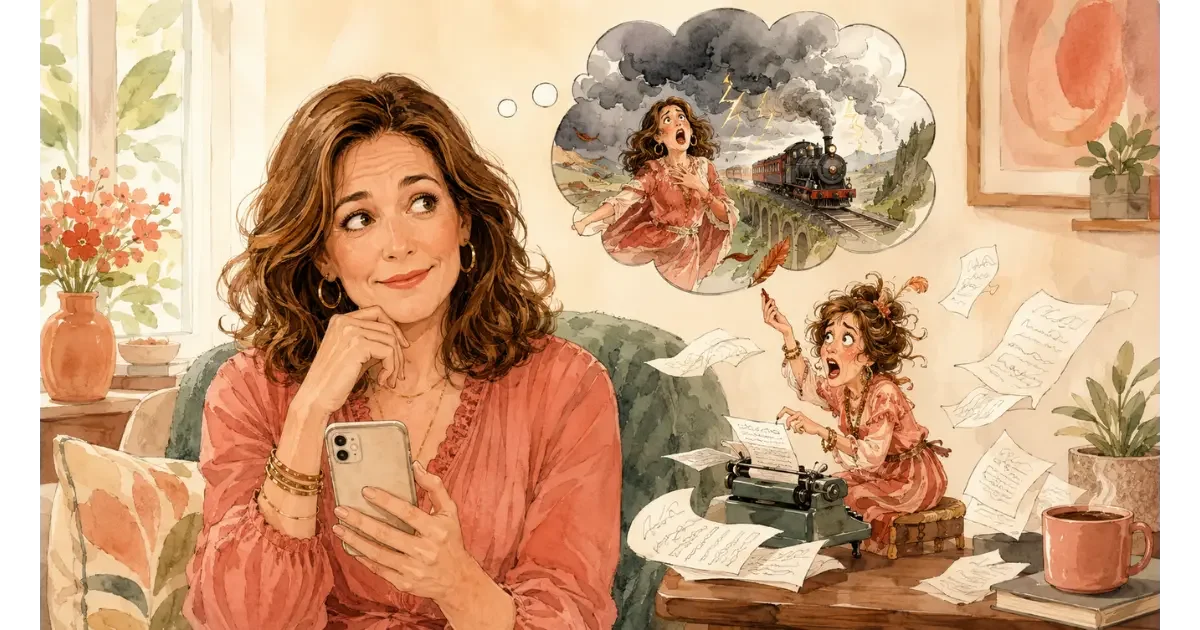
I used to consider myself calm. I could accept life’s strange little moments and keep moving. Then a cashier gave me an unusual look, and my brain turned a five-second exchange into a three-day investigation.
Did I offend her? Did I look tired? Was my energy wrong? Should I apologize—in writing, in a monologue, or through interpretive dance?
A short conversation could replay in my mind for days. I analyzed every word, created alternate endings, prepared imaginary speeches, and worried about situations that would never happen.
Anxiety could intensify during perimenopause, and disrupted sleep may make it feel worse. But anxiety can have many causes, and chest tightness, a racing heart, or difficulty breathing shouldn’t automatically be blamed on hormones.
If anxiety begins controlling your decisions, disturbing your sleep, or interfering with everyday life, talk with a healthcare professional. Seek urgent help for severe chest pain, significant difficulty breathing, fainting, or symptoms that feel like a medical emergency.
10. Unexpected Vaginal Dryness
I’ve never experienced a hot flash. Ever. Vaginal dryness was one of the changes that got my attention. Nobody had warned me about that part. People joke about throwing off the blankets and standing in front of the freezer, but they don’t talk nearly enough about what can happen below the waist.
As estrogen changes during perimenopause, the vaginal and vulvar tissues can become drier, thinner, or more sensitive. Some women experience irritation, burning, discomfort during sex, or changes in urinary symptoms.
This isn’t something we should feel embarrassed about or quietly tolerate. Vaginal moisturizers, lubricants, and prescription treatments—including vaginal estrogen for women who are appropriate candidates—may help.
Talk with a healthcare professional if dryness is bothering you or if you experience pain, bleeding, unusual discharge, recurring urinary symptoms, or another change that concerns you. Your vagina has survived enough. She does not need to suffer in silence.
Want to Keep Track of What You’re Noticing?
When several small changes happen at once, it can be difficult to remember when each one began—or explain everything during a medical appointment.
I created a free “Is This Perimenopause?” checklist with more than 30 possible symptoms written in plain language. You can use it to record what you’re experiencing and bring your notes to a healthcare professional.
The checklist cannot diagnose perimenopause, but it may help you notice patterns and prepare better questions.
👉 Download the free perimenopause checklist
No email required.
We’re Not Losing Ourselves
Many women before us experienced these changes without having the words, information, or support to discuss them openly. We have something different now. We can compare notes, ask better questions, speak honestly with healthcare professionals, and laugh when our periods decide to join punk bands.
If you want to hear more voices and learn more about this transition, I gathered 5 Books Every Woman Should Read Before, During, and After Menopause in one thoughtful list.
Perimenopause doesn’t look the same for everyone. Some women have hot flashes. I never did. Vaginal dryness became one of my clues. Another woman may notice sleep changes, anxiety, heavier periods, or something completely different.
We don’t have to diagnose ourselves—but we can pay attention to our bodies and ask for help when something changes.
We’re not fading. We’re learning how to understand ourselves in a new season.
What Was Your First Clue?
Did your period stop following the rules? Did sleep abandon you? Or did a change nobody had warned you about make you wonder whether perimenopause had begun?
Share your experience in the comments. You never know when your story might help another woman recognize that she isn’t imagining what she feels.
And if you enjoy honest conversations about midlife health—with useful information and enough humor to keep us sane—join the Accent Newsletter.
Disclaimer:
This post is based on personal experience and is meant for informational and entertainment purposes only. It’s not medical advice (even though it might feel magically accurate). Always consult with your healthcare provider before making changes to your health routine, especially if your hormones are throwing chairs.
